
The current geopolitical landscape between the United States and Iran has seen developments marked by a peace agreement, yet tensions persist, particularly in the context of Israel’s military actions in southern Lebanon. While the U.S. works towards a ceasefire in one conflict, it’s clear that the regional dynamics reveal a deeper rift between Israel and Europe, signaling a potential shift in alliances and objectives.
Shifting Alliances in the Middle East
Despite the recognition of Israel’s statehood and the rights to Jewish self-determination, the perspectives of Israel and Europe appear increasingly misaligned. Historical partnerships that once united these actors seem to have dissolved. The Knesset’s decision to dissolve itself in May highlights the uncertainty within Israeli politics, with a looming election set for autumn. However, the underlying approach to perceived threats in the region transcends any individual leadership, suggesting that even a new government may not realign Israel’s strategies with those of its European counterparts.
The situation on the ground in Lebanon reflects this growing chasm. Recent Israeli operations have seen an unprecedented military incursion, with troops advancing beyond the Litani River—marking the deepest penetration into Lebanese territory in 25 years. This has resulted in significant displacement, with over a million people affected and countless homes destroyed. While the Israeli government labels their presence a “buffer,” the reality mirrors a military occupation that raises severe ethical and legal concerns.
New Perceptions of Enemies
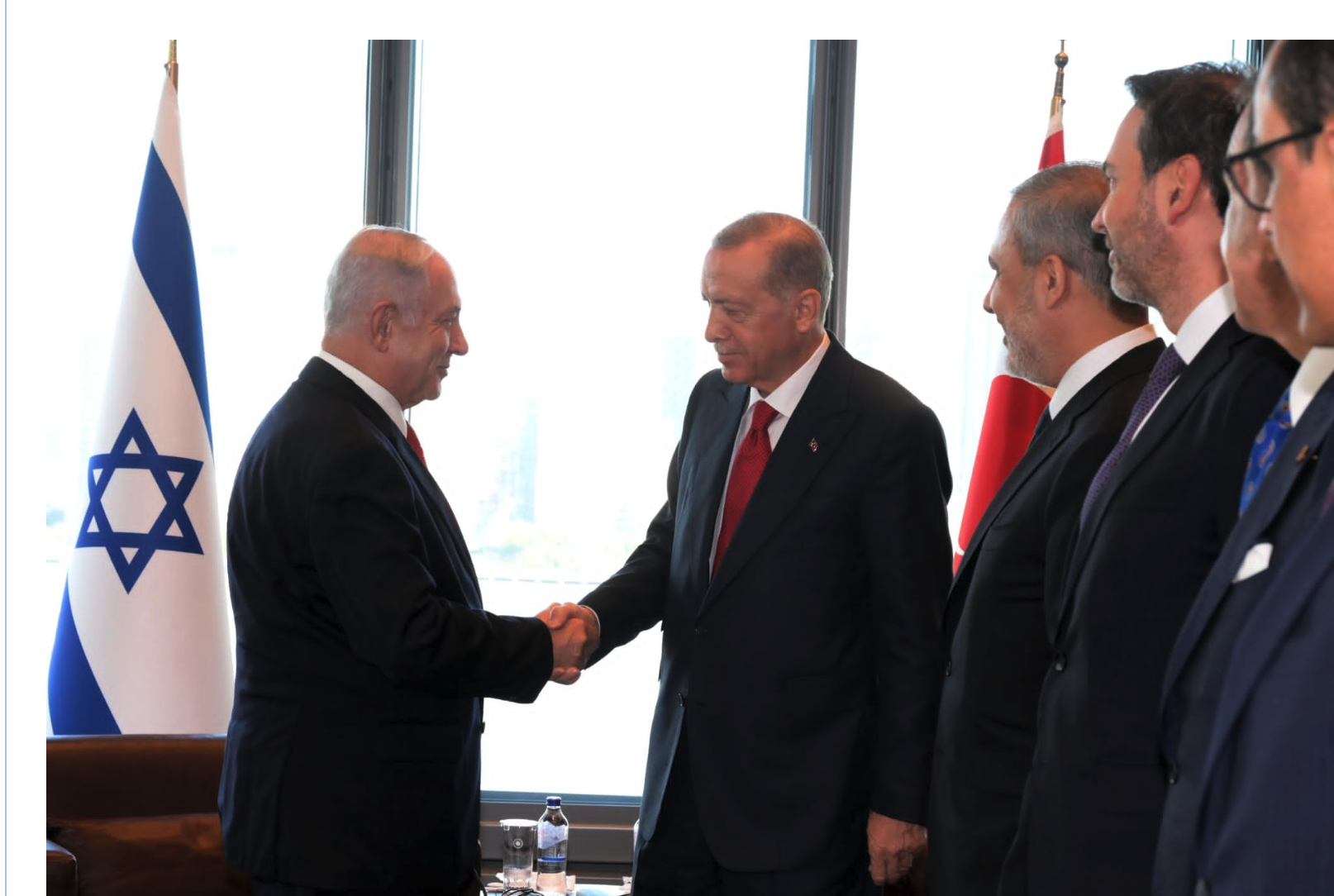
In this evolving landscape, Prime Minister Benjamin Netanyahu’s coalition is notable for its hardline stance against perceived threats in the region. With figures like Itamar Ben-Gvir and Bezalel Smotrich advocating for territorial annexation, Israel’s military strategy seems to be transforming from merely guarding borders to actively redefining them. This shift expands beyond traditional adversaries, with Turkey now being identified as a new potential threat. As Israeli officials like former Prime Minister Naftali Bennett have indicated, Turkey may be the “new Iran,” complicating the regional dynamics.
This transformation is particularly alarming given Turkey’s NATO membership, which complicates the prospect of an open conflict between allies. Redefining Turkey as an enemy challenges the very fabric of NATO, placing European nations in a precarious position as they grapple with loyalty to a treaty ally while facing the realities of heightened tensions.
Europe’s Response to the Crisis
The European response to Israeli actions has been underwhelming, with recent sanctions against Israeli settlers yielding minimal impact. Despite calls from several EU nations to impose stricter measures targeting influential figures within the Israeli government, resistance from powerful states like Germany and Italy has stifled meaningful action. The ambition of European leaders seems diminished, focusing on trivial sanctions while failing to address the broader issues at hand.
This lukewarm engagement raises questions about Europe’s position as it faces the realities of ongoing conflicts. The European Union, which spent considerable effort scrutinizing Russia’s actions, appears hesitant to confront Israel’s military strategies decisively. As discussions proceed, European leaders are expected to issue nothing more than a statement of condemnation, while the underlying territorial disputes and alliances shift dramatically.
The disconnect between European leadership and the realities in the Middle East is stark. It is untenable for Europe to maintain a façade of unity with Israel while failing to address the escalating tensions that threaten the stability of the region. Acknowledging divergent goals is essential for fostering genuine dialogue and addressing the broader implications of these shifting relationships. In a world where alliances are continually tested, understanding these dynamics is crucial for navigating future geopolitical challenges.