
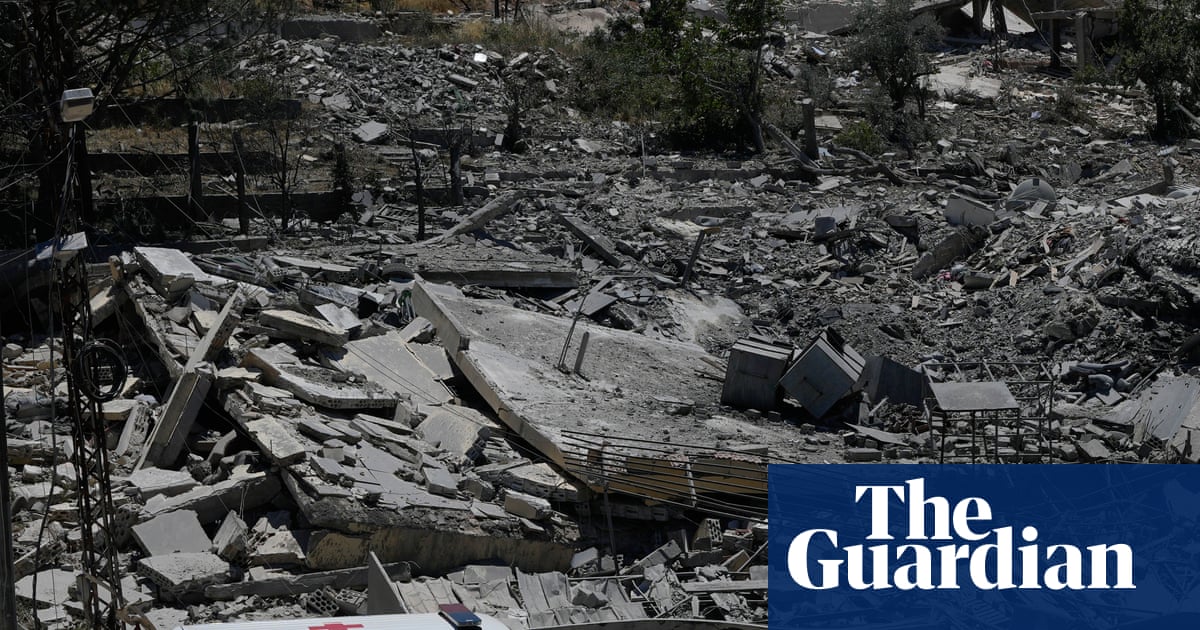
Tensions in the region have escalated dramatically, with thousands displaced as Israel mandated forced evacuations for nine villages in southern Lebanon. This directive occurred just a day after the militant group Hezbollah rejected a ceasefire agreement devised by the Israeli government and Lebanon. The implications of this refusal have contributed to rising violence and further instability in the area.
Evacuations and Escalation in Southern Lebanon
In response to Israeli military threats, hundreds of families evacuated from Anqoun, a village that is currently home to approximately 2,500 displaced individuals. The Israeli military announced that it would target Hezbollah positions in the area, prompting residents to flee. As families sought safety, highways leading to Sidon, the nearest major city, became congested with vehicles. This urgent evacuation underscores the dire humanitarian situation as civilians are forced to leave their homes amid escalating military actions.
Israeli airstrikes targeted various locations across southern Lebanon, including significant drone strikes in the Nabatieh region. The military’s actions involved airstrikes and artillery assaults on Kfar Tebnit, located near Beaufort Castle, which Israeli forces captured recently. As Israeli troops continue their military campaign, residents and local leaders express growing concerns about the humanitarian crisis unfolding in the region.
The Ceasefire Collapse and Regional Dynamics
Hezbollah’s rejection of the proposed ceasefire further complicates the landscape, as the militant group deemed it equivalent to “surrender.” The ceasefire would have allowed Israel to persist with airstrikes while requiring Hezbollah to cease fire. Lebanon’s Prime Minister, Nawaf Salam, remarked that the country should no longer act as a battleground for external conflicts, emphasizing that the people of southern Lebanon should not bear the repercussions of decisions beyond their control.
Negotiations between Israel and the Lebanese government have only deepened the complexity, as Hezbollah is not officially part of these discussions. Instead, it has communicated its position through Lebanon’s parliament speaker, Nabih Berri. In recent statements, Berri indicated that Hezbollah would withdraw from areas south of the Litani River only if Israeli forces also retreated, highlighting the intertwining of military action and diplomatic efforts.
Ongoing Conflict and International Involvement
The ongoing conflict has resulted in considerable casualties, with over 3,500 deaths attributed to Israeli strikes in Lebanon. Hezbollah has retaliated by targeting Israeli troops, reportedly inflicting casualties on Israeli military personnel. The situation has prompted international observers, including U.S. officials, to seek resolutions; however, without Hezbollah’s buy-in, the likelihood of a sustainable ceasefire remains uncertain.
In parallel, U.S. President Donald Trump is keenly observing the negotiations as Iran’s ties to the ceasefire influence its negotiations with Washington. The intricate connections between regional conflicts and international diplomacy further complicate efforts to stabilize the situation. As the Israeli government wrestles with military strategies and the implications of a ceasefire, Prime Minister Benjamin Netanyahu has made it clear that he will not proceed without Hezbollah’s agreement.
As the conflict continues to unfold, the ramifications for the local population and regional stability are profound. Lebanon finds itself at a crossroads, facing both immediate humanitarian challenges and broader geopolitical implications that will inevitably shape the future of the region.