
Recent Escalations in Southern Lebanon: Civilian Casualties and Ceasefire Violations
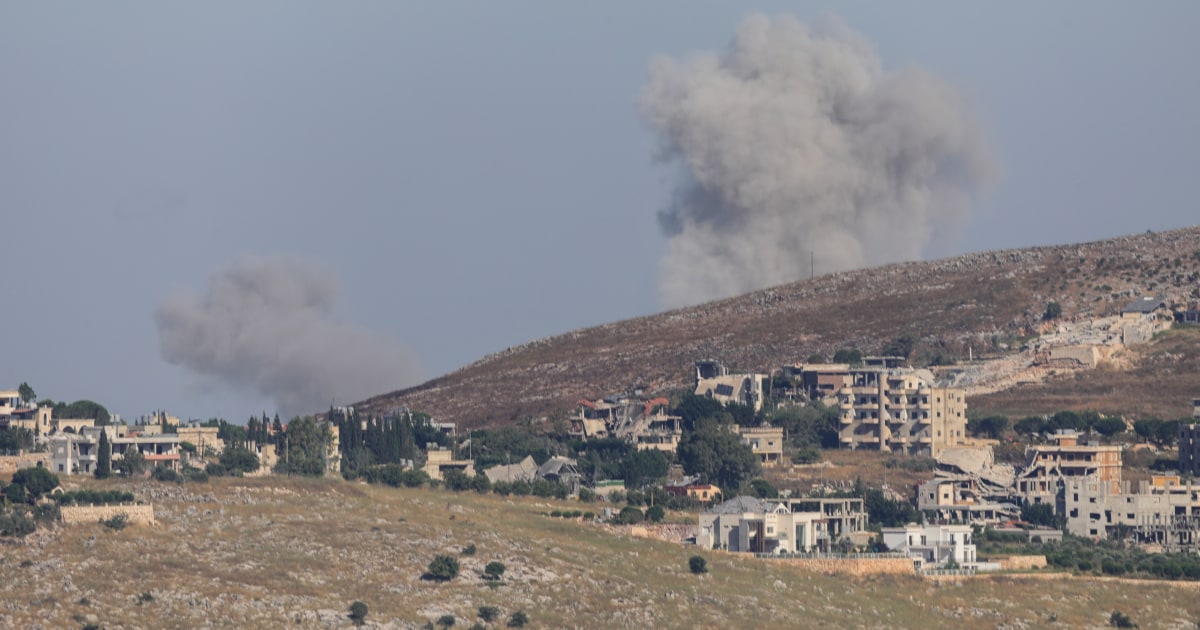
Recent Israeli airstrikes in southern Lebanon have led to the tragic deaths of at least 16 individuals, including two children. This alarming situation unfolded on Saturday morning, a little over 24 hours after the U.S. facilitated a renewed ceasefire between Israel and Hezbollah at President Donald Trump’s request. These developments are crucial as they not only impact the stability of the region but also have broader implications for ongoing U.S.-Iran negotiations.
Details of the Strikes
Reports indicate that various towns in southern Lebanon were targeted as early as Saturday morning. Lebanese news agency NNA highlighted that an airstrike on the town of Arabsalim resulted in three fatalities, while a drone attack in Deir al-Zahrani accounted for another death. Tragically, at least seven more people are still believed to be trapped under rubble, demanding urgent rescue efforts. Furthermore, the Lebanese army reported a soldier’s death near Kfar Rumman and Nabatieh, intensifying the local echo of distress and concern.
The Israeli Defense Forces (IDF) have countered accusations by claiming that Hezbollah violated the ceasefire by launching over 50 projectiles targeting their troops operating in the area. In response, Israel targeted what they described as Hezbollah positions, emphasizing their commitment to the ceasefire agreement despite the hostilities. This exchange highlights a precarious balancing act, laden with risks for the civilian population caught in the crossfire.
Hezbollah’s Response and Ongoing Tensions
Hezbollah, supported by Iran, has publicly asserted adherence to the ceasefire, disputing Israel’s assertions as misrepresentations aimed at justifying their military actions. Such claims further escalate tensions, creating an environment where dialogue seems increasingly elusive. The renewed airstrikes arrive just as Israel’s military actions threaten to unravel fragile U.S. peace discussions with Iran.
U.S. officials were reportedly in Switzerland to engage in multifaceted negotiations aimed at resolving contentious issues, including Iran’s nuclear program, right around the time of these escalations. The memorandum of understanding between the U.S. and Iran, which outlines an immediate cessation of hostilities, although not directly involving Israel, places the latter’s attacks in stark contrast to current diplomatic efforts.
Political Ramifications and Future Concerns
The friction between the U.S. and Israeli officials has grown, especially under the Trump administration, with rising criticism aimed at Prime Minister Benjamin Netanyahu’s government. As Netanyahu faces an upcoming election and pressures from far-right constituents, he may feel compelled to escalate military actions in Lebanon, potentially jeopardizing the fragile peace process. Former intelligence officer Jonathan Panikoff noted that the geopolitical landscape around Iran has changed, leaving Netanyahu in a “challenging political spot.”
Despite these growing tensions, economic activities have maintained continuity in the region, with shipping traffic through the Strait of Hormuz remaining relatively stable. However, industry experts caution that complete normalization may take weeks, especially given lingering security concerns over maritime threats.
Israeli officials, including IDF spokesperson Brig. Gen. Effie Defrin, have indicated that military operations in southern Lebanon will persist as necessary to ensure civilian protection. This ongoing military posture reflects the significant complexities of regional security dynamics, raising concerns as the conflict’s ramifications continue to unfold globally, especially in relation to U.S.-Iran relations.