
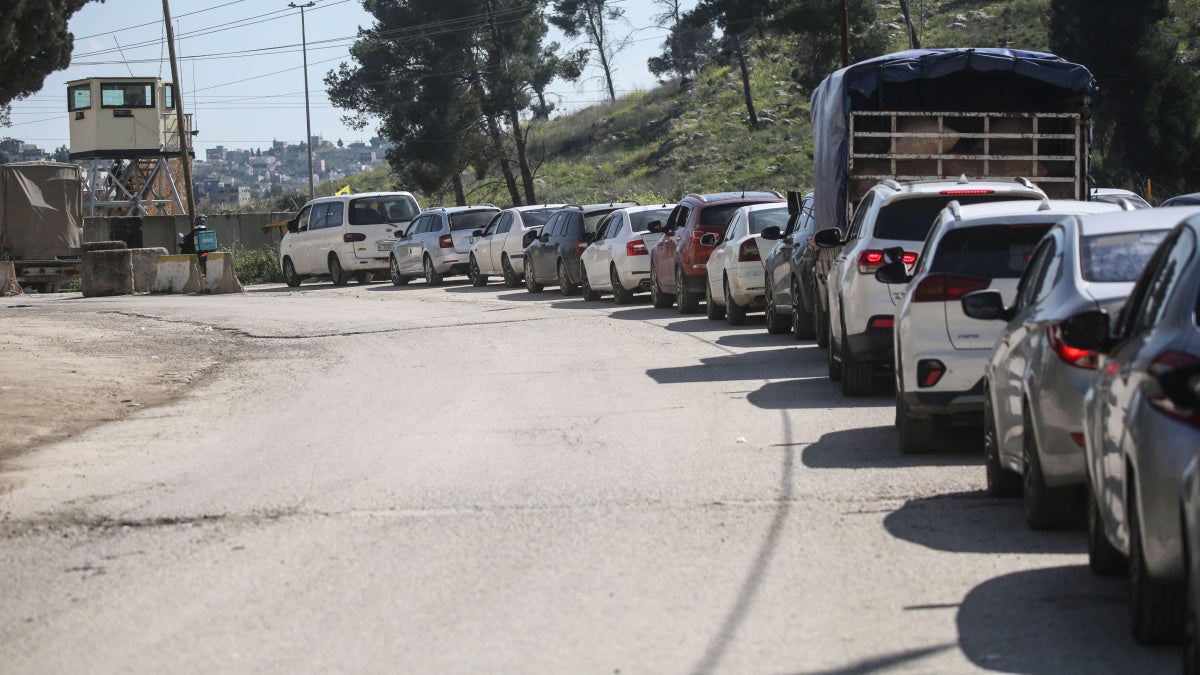
On July 27, 2026, an urgent incident underscored the severe impact of Israeli road closures in the West Bank. This event highlighted the challenges faced by Palestinians, particularly in terms of medical emergencies. Delays like these can make a critical difference in life or death situations, further complicating an already fraught and tense humanitarian landscape.
Impact of Road Closures on Emergency Services
Israeli road closures have been a longstanding source of strife in the West Bank, significantly affecting daily life and emergency services. The recent blockage not only delayed an ambulance but also put the life of a pregnant Palestinian woman in jeopardy. When emergency medical services cannot reach patients quickly, the consequences can be devastating. This event exemplifies how restrictions on movement can hinder timely medical response, leaving vulnerable populations exposed to life-threatening situations.
The Urgency of Medical Access
In regions plagued by conflict, access to healthcare is crucial. For pregnant women, timely medical intervention is not just important but often life-saving. The road closures on July 27 delayed an ambulance carrying a woman in dire need of assistance. The incident serves as a grim reminder of how geopolitical tensions can have immediate and heartbreaking impacts on individual lives. In this case, the pregnant woman faced unnecessary risk due to delays that could have been avoided, raising questions about the adequacy of the existing healthcare framework in these volatile areas.
Humanitarian Concerns in Conflict Zones
The humanitarian situation in the West Bank continues to be precarious. Every day, families live in uncertainty, aware that roadblocks could hinder their ability to access essential services. The situation raises ethical questions regarding the treatment of civilians in conflict zones. Patients in critical condition, like the pregnant woman, should not have to navigate additional barriers to receive care. It calls for urgent international attention and support to address the challenges faced by all individuals in these areas, emphasizing the need for improved medical access.
The Need for Change
As incidents like these continue to unfold, they highlight the pressing need for dialogue and action to improve the humanitarian situation in the West Bank. There is a significant responsibility for both local authorities and international bodies to ensure that everyday citizens are not caught in the crossfire of political disputes. Solutions should focus on easing restrictions that hamper movement, particularly for medical emergencies, advocating for policies that prioritize health and safety over territorial and political concerns.
In summary, the road closures in the West Bank on July 27, 2026, highlight an urgent issue affecting the local population’s health and safety. This unfortunate event serves as a poignant reminder of the need for collective action to safeguard the rights and well-being of individuals caught in such conflicts. Improved access to emergency medical services is essential, and it must be a priority moving forward, ensuring that people in need receive timely care without hindrance.