
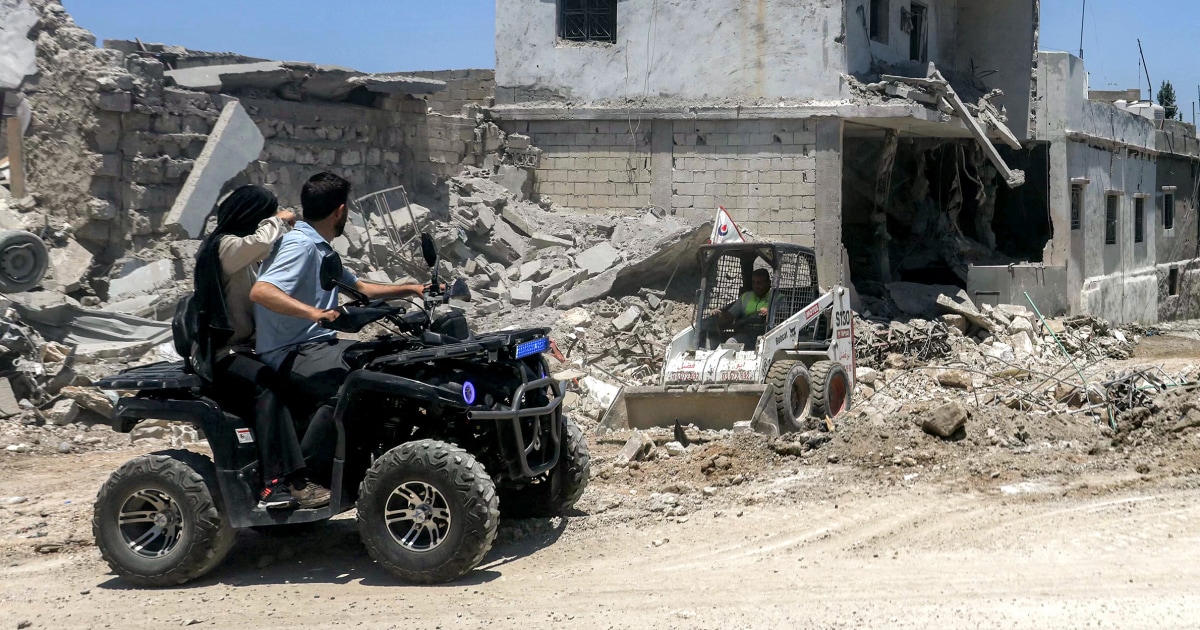
The complex military dynamics in southern Lebanon continue to evolve, with Israeli troops expanding their operational reach beyond previously established boundaries. Recent developments highlight the ongoing tensions in the region, particularly around the city of Nabatieh, a known stronghold for Hezbollah, situated north of the Litani River.
Israel’s Expanded Military Zone
In April, the Israeli military released an initial map outlining a designated buffer zone in southern Lebanon. A more recent update has revealed that Israeli Defense Forces (IDF) are now operating several kilometers further into Lebanese territory. The latest map, marked in dark red, depicts areas of this expanded security zone where IDF troops are actively engaged. The implications of this shift are significant, as Israeli forces have maintained operations in these regions for several weeks without previously disclosing the extent of their control.
Tensions with the U.S. Administration
Israeli Prime Minister Benjamin Netanyahu has faced increased scrutiny from U.S. President Donald Trump regarding military actions in Lebanon, especially in light of a recent U.S.-Iran agreement intended to ease hostilities. Donald Trump has expressed frustration, particularly criticizing the tactics employed by the IDF, which he believes have resulted in unnecessary devastation, such as bombings of residential buildings in pursuit of Hezbollah militants. Israeli officials, however, remain firm in their stance, asserting that their military presence in Lebanon is non-negotiable.
The Ongoing U.S.-Iran Agreement
The ramifications of the recent U.S.-Iran agreement, signed in an attempt to address the broader conflict in the region, have sparked discontent among Israeli officials. There are concerns that the pact does not sufficiently tackle the threats posed by Iran’s nuclear ambitions or the implications for Israeli military operations in Lebanon. Reports indicate that the outcome of discussions between Israel and the U.S. may hinge on whether Trump chooses to impose consequences should Israel fail to comply with the terms of the interim agreement.
Buffer Zones and Regional Security Policies
Israeli leaders describe the areas they occupy in Lebanon, Gaza, and Syria as essential “buffer zones” aimed at enhancing national security. This approach has been a central aspect of Israel’s recent military policies, reflecting ongoing apprehensions about potential threats emanating from neighboring nations and militant groups. Analysts underscore that while the U.S.-Iran agreement offers some form of leniency for Israel, it simultaneously emphasizes the need for Lebanon’s sovereignty, suggesting that an Israeli withdrawal may eventually be necessary.
In summary, the geopolitical landscape in southern Lebanon remains intricate, displaying a nexus of military engagement, international negotiations, and regional sovereignty issues. The actions taken by the Israeli military and their interactions with U.S. leadership will be closely monitored, as they carry significant implications for the stability and security of the broader area.