
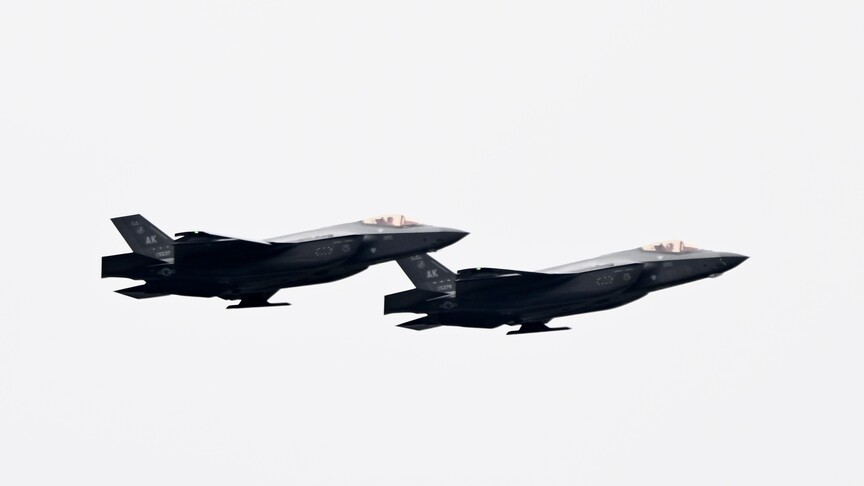
Israel is poised to request additional defense capabilities from the United States in light of the recent approval for the sale of F-35 fighter jets to Saudi Arabia. This anticipated request highlights the intricate dynamics at play in the region as geopolitical considerations increasingly shape military strategies.
Israel’s Defense Strategy in Response to the F-35 Deal
In recent reports, Israeli media has indicated that Tel Aviv plans to pursue advanced weapon systems as a form of compensation for the impending sale of F-35 fighter jets to Riyadh. Previously, some of these weapon systems had been denied by the administration of former President Donald Trump. The urgency of this request underscores Israel’s commitment to maintaining its military edge in the region amid shifting alliances and arms deals.
Israel’s military ambitions currently extend beyond just acquiring advanced aircraft; they are also focusing on developing space-based weaponry and enhancing interceptor systems. Notably, Israeli officials are eyeing “bunker-busting munitions” and specialized underground systems designed for operations beneath rugged terrain. This broadening of Israel’s defense capabilities reflects a proactive approach to regional threats, and is indicative of a strategic imperative to keep pace with adversaries who may also be enhancing their military arsenals.
The Strategic Implications of the U.S.-Saudi Arms Deal
The U.S. State Department’s recent approval of a potential $24.3 billion deal involving 48 F-35 fighter jets and supporting technology to Saudi Arabia marks a significant shift in military power dynamics. The package is not limited to just aircraft; it also includes 49 Pratt & Whitney F135-PW-100 engines along with advanced cryptographic and electronic warfare capabilities. Should the deal move forward, Saudi Arabia will become the first Arab nation to operate F-35 jets, complicating Israel’s historically unique position in possessing advanced military technology in the Middle East.
Israeli officials have voiced concerns regarding this arms sale, particularly highlighting Saudi Arabia’s ongoing reluctance to normalize relations with Israel. They argue that such normalization should be contingent upon the establishment of a Palestinian state along the 1967 borders—a condition supported by the international community but repeatedly rejected by Israeli leadership. The royal family’s stance exacerbates tensions, as both nations navigate a path where military capability meets diplomatic relations.
The Future of U.S.-Israel Relations in a Changing Landscape
As Israel seeks to bolster its defense capabilities, the relationship with the United States is more critical than ever. The expected request for additional weapon systems demonstrates the complexities of U.S.-Israeli relations, especially in the context of evolving Middle Eastern geopolitics. Washington’s response to Israel’s demands will shape future military engagements and the overall security environment in the region.
In conclusion, Israel’s pursuit of enhanced defense systems following the F-35 sale to Saudi Arabia signals not only a quest for military superiority but also underscores the broader geopolitical implications of arms sales in the region. The dynamic interplay among Israel, the U.S., and Saudi Arabia will continue to influence the balance of power, with ongoing negotiations likely to reshape diplomatic dialogues in the Middle East for years to come.