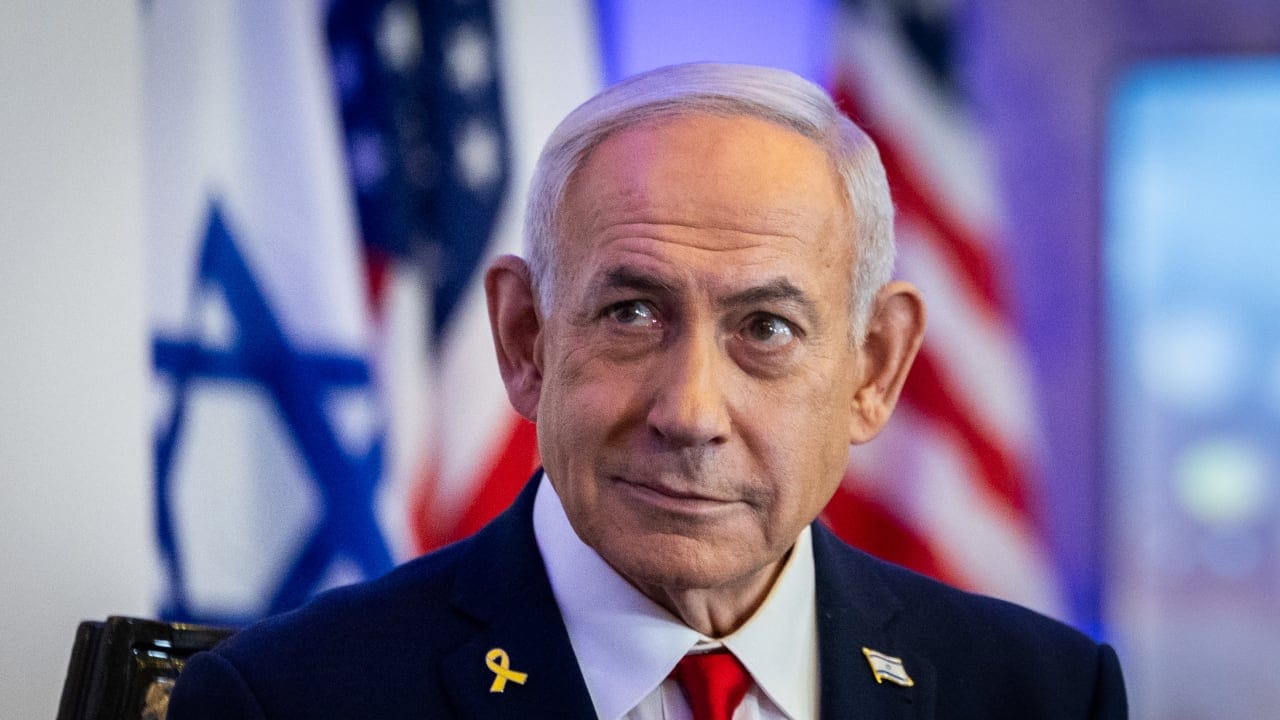
In recent years, Israel has not only defended itself against various adversaries but has also emerged as a technological force, admired globally. However, the achievements of this young nation have been overshadowed by a diplomatic crisis that threatens to reshape its international standing.
Link Between Military Success and Diplomacy
As an Israeli-American of Ethiopian descent, I am deeply troubled to witness how Israel’s military victories coincide with a profound decline in its diplomatic relationships. A stark reality emerged from a 2026 Pew Research survey, revealing that 67% of respondents across 36 nations hold an unfavorable opinion of Israel. This alarming statistic echoes even more loudly in the United States, where 60% of adults perceive Israel negatively and 59% lack confidence in Prime Minister Benjamin Netanyahu’s capacity to manage foreign affairs. Such sentiments mark a pivotal moment where declaring patriotism necessitates a candid assessment of our failures, particularly the events following October 7 that highlighted flaws in our international diplomacy.
The Role of Leadership in Israel’s Foreign Policy
Acknowledging failure is an essential step towards rebuilding. Accusations against those who oppose us do little to advance our diplomatic position. Instead, we must confront the realities that shape global perceptions, including those perpetuated by our adversaries. The Israeli populace has displayed immense courage through challenging times—soldiers, medics, and civilians have emerged as beacons of resilience. International Jewish communities have rallied in support, yet they also deserve leadership that can transform military strength into diplomatic success.
For nearly two decades, Netanyahu has positioned himself as indispensable, stifling potential opposition and marginalizing capable successors. This strategy ultimately backfires, revealing a leadership vacuum as emerging voices struggle to gain recognition. The teachings of Rabbi Jonathan Sacks remind us that true leaders cultivate new leadership. Netanyahu’s inability to empower others is evident and is among his most notable shortcomings.
A Need for Renewed International Diplomacy
Israel’s foreign diplomacy has become stagnant, often targeting an audience that lacks diversity. Efforts have largely focused on familiar Western circles, neglecting vital communities that influence global perspectives—African, Latino, Arab, and working-class populations. This disconnect was notably highlighted during the recent UN General Assembly, where the absence of Ethiopian-Israeli representation failed to combat the narrative of Zionism as a colonial endeavor. It is crucial for Israel to showcase its diversity on international platforms, integrating voices that can counteract prevailing stereotypes.
The October 7 events laid bare the weaknesses in intelligence and governance, underscoring a need for systemic change. The time has come for Israel to embrace not just survival but thriving. A peaceful transition of power is necessary to restore faith in our democracy. Gadi Eisenkot emerges as a promising leader, capable of reorienting Israel toward a more inclusive and diplomatic future.
Polling indicates that Eisenkot’s Yashar Party may surpass Netanyahu’s Likud, signifying a potential shift towards a government that reflects the true diversity of Israeli society. His approach can meld security with diplomacy, respect for minorities with Jewish identity, and resonate with a broader worldview. Ultimately, the upcoming election is not merely another political contest; it embodies the choice between remaining trapped in established norms or embracing transformative renewal. For Israel to regain global trust while ensuring security, a new vision of leadership beckons.