
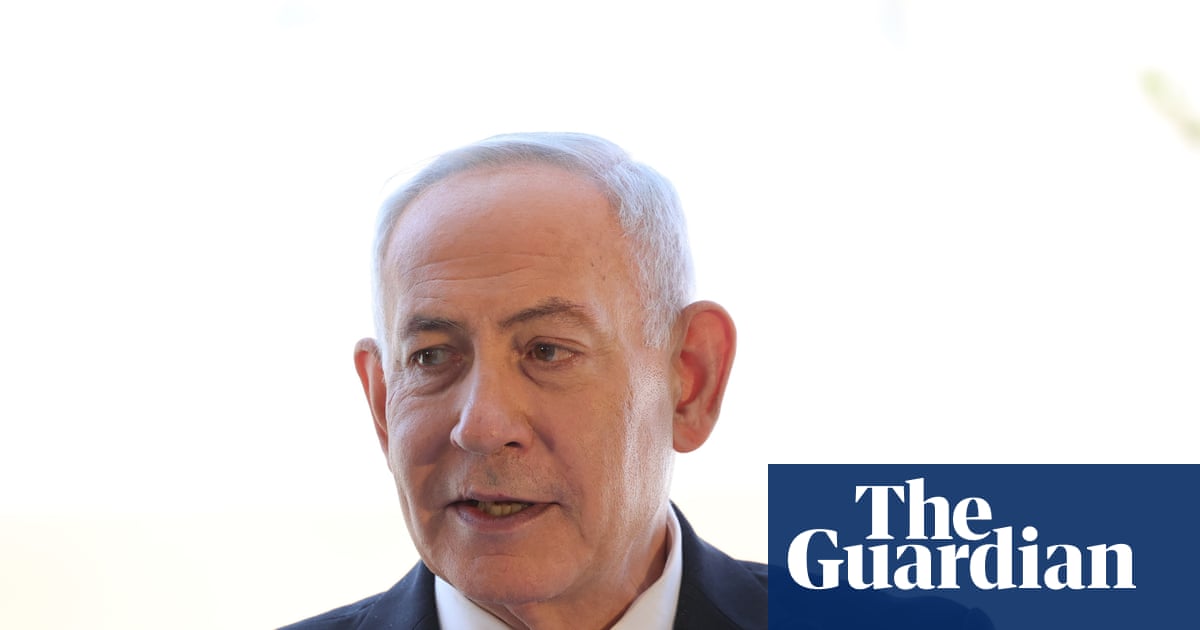
Israel is set to hold national elections on October 27, providing citizens an opportunity to evaluate Prime Minister Benjamin Netanyahu and his coalition following the recent Hamas-led attacks on October 7, 2023. This election comes at a pivotal moment for the nation, as tensions run high and political stakes have never been greater.
Political Landscape and Controversial Laws
The Knesset, Israel’s legislative body, will formally dissolve soon, giving way to a flurry of last-minute legislative actions by what is considered the most right-wing government in the country’s history. As the elections approach, the Netanyahu administration is racing to pass several significant yet contentious laws, aiming to secure a stronger political foothold before voters head to the polls. Updates in polling suggest a possible shift in public sentiment, with many indicating a desire for change at the helm of leadership.
Amid this backdrop, extremist violence aimed at expanding Israeli control in the occupied West Bank continues unabated, with settler militants appearing to act with increased confidence, reportedly emboldened by their representation in government. The current crisis has further polarized the political landscape, where the rhetoric surrounding national security and defense against perceived threats has become central to the electoral discourse.
Netanyahu’s Legal Troubles and Electoral Survival
Benjamin Netanyahu, aged 76, faces not only the prospect of electoral defeat but also legal challenges related to corruption allegations. While former U.S. President Donald Trump has urged a preemptive pardon, the outcome of the trials remains uncertain. Polls suggest that many Israelis are ready to remove him from power, though Netanyahu has proven to be a resilient political figure, often defying expectations throughout his lengthy political career.
The current turmoil came to a head following the October 7th attacks, which resulted in nearly 1,200 casualties, predominantly civilians. As Netanyahu campaigns on a message of security, emphasizing that he alone can protect Israelis, critics argue that these claims may stem from desperation rather than a solid foundation. Political analyst Dahlia Scheindlin stated that the government’s approach might be either a sophisticated strategy or a sign of its declining power.
Opposition and Changing Dynamics
Gadi Eisenkot, the leading challenger to Netanyahu, is a former military chief whose personal story resonates with a significant portion of the electorate. His military background is paired with a narrative of personal sacrifice, as he lost family members in past conflicts. Recent polling indicates that he may eclipse Netanyahu’s Likud party, signaling a potential shift in public support. Eisenkot’s campaign promises to tackle key issues that resonate with citizens, aiming to bridge the divide that has characterized Israeli politics for years.
While Netanyahu positions himself as a diplomatic expert with connections that could bolster Israel’s standing internationally, his recent policies seem to have further isolated the nation. With increasing concerns about Israel’s reputation, even among its traditional allies like the United States, there are clear indications that voters might seek an alternative leadership that could represent a more inclusive approach to governance, particularly in relation to Palestinian issues.
Future Uncertainty in Israeli Politics
If Netanyahu’s government does face loss at the ballot box, the question arises: would any potential successor, including Eisenkot, be willing or able to shift Israel’s trajectory regarding relations with Palestinians? Eisenkot’s experience in the military and as part of Netanyahu’s unity government post-attacks suggests a complex understanding of the ongoing conflict. However, the enduring challenges in Gaza, including extensive military actions that have resulted in significant casualties, raise concerns about whether a different administration would enact meaningful change.
As Israel inches closer to the election date, the political climate remains charged with uncertainty. The national conversations surrounding security, governance, and international relations will undoubtedly shape the outcome, but the implications of this election will resonate well beyond the borders of Israel, impacting regional dynamics for years to come.