
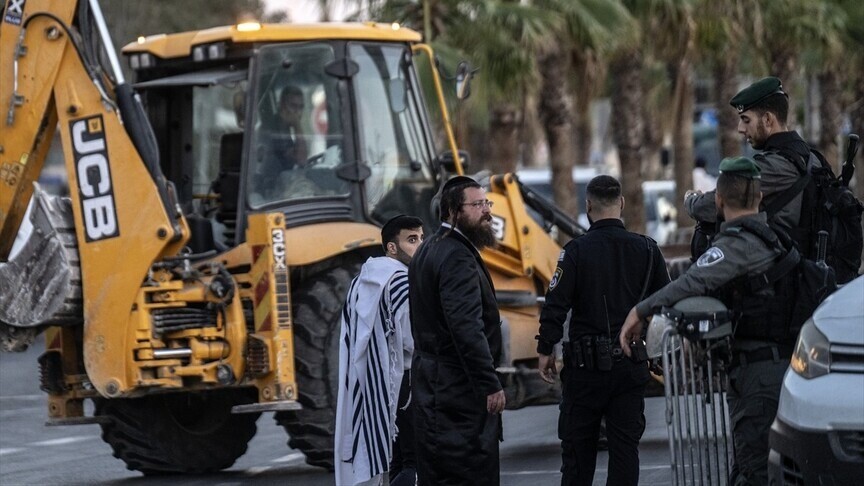
Israeli authorities have implemented significant travel restrictions in occupied Jerusalem as Yom Kippur commenced. This observance, regarded as the Jewish Day of Atonement, has led to heightened security measures that have impacted the Palestinian population’s mobility between the West Bank and Jerusalem.
Travel Restrictions and Impact
Late Sunday, numerous main roads in Jerusalem, as well as critical checkpoints linking the West Bank, were closed. This led to considerable disruptions for Palestinians trying to enter Jerusalem. Witnesses described a heavy presence of Israeli forces throughout the city, aimed at enforcing these restrictions. Many Palestinian residents were reported to be unable to return home as they found themselves stranded in the West Bank, a situation that underscores the ongoing challenges faced by Palestinians in the region.
This pattern of restricting vehicle movement and closing roads during Yom Kippur is not new. The holiday, marked by fasting, prayers, and a general cessation of daily activities, prompts Israeli authorities to heighten security in anticipation of increased religious observance. These annual disruptions affect not only those who practice the Jewish faith but also significantly impact the lives of Palestinians, illustrating the complexities of coexistence in an area steeped in historical and political tensions.
Heightened Security Surrounding Al-Aqsa Mosque
The recent closures coincide with increased Israeli incursions into the Al-Aqsa Mosque compound under police protection. These actions have been met with serious concern from both Palestinian and Jordanian officials, who fear that such measures threaten the established status quo of this significant religious site. The clashes and tensions surrounding Al-Aqsa continue to exacerbate existing hostilities in the region, compounding the difficulties faced by the local population during religious observances.
The Broader Context of the Holiday Season
Yom Kippur follows closely after Rosh Hashanah, the Jewish New Year, which took place from September 12 to 13. The Jewish holiday season continues with Sukkot from September 26 to October 2, and concludes with Simchat Torah on October 3. The entire period is characterized by a surge in religious activities, which often coincide with varied responses from security personnel, adding another layer of complexity to the already tenuous situation on the ground.
In summary, as Yom Kippur unfolds, the imposition of travel restrictions reflects the ongoing tension in Jerusalem and the West Bank. The impact on Palestinian residents highlights the friction between religious observance and governance. The events of this period serve as a reminder of the delicate balance that defines life in this historically rich, yet conflict-ridden region.