
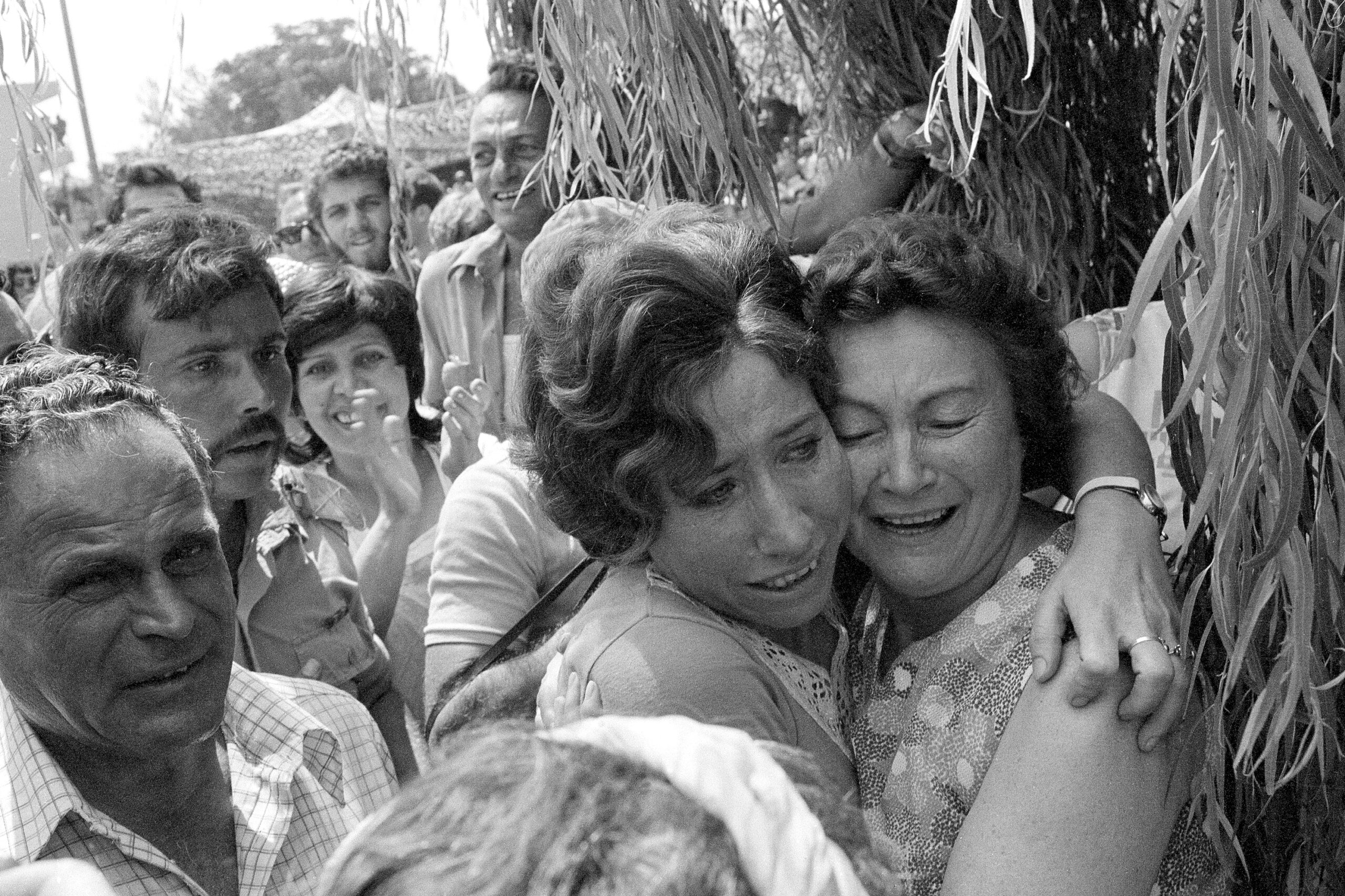
On Friday, Israel unveiled a trove of previously classified documents related to the audacious 1976 Entebbe raid that rescued over 100 hostages from Uganda, shedding light on the intricate decision-making processes that preceded this significant military operation.
The Entebbe Raid: A Bold Operation
The Entebbe operation involved a highly coordinated assault by Israeli commandos on Entebbe Airport, where Palestinian and German militants, with the support of Ugandan forces, were holding 106 passengers hostage from an Air France flight that had originated in Tel Aviv. The rescue was executed in less than an hour, with minimal casualties among both the commandos and the hostages, most of whom were Israeli or of Jewish descent. The mission’s success has turned it into a celebrated narrative in Israel’s history, illustrating the complexity and high stakes involved.
The timing of the document release is particularly poignant, coinciding with the 50th anniversary of the raid on July 3. It comes at a time when Israel is facing the repercussions of a recent hostage crisis initiated by Hamas-led militants on October 7, 2023, which resulted in around 1,200 deaths and 251 individuals taken captive to Gaza.
A Tenuous Path to Negotiation
The newly disclosed files provide insights into the crisis management strategies employed by then-Prime Minister Yitzhak Rabin’s emergency team. Initially, the team was adamant about refusing any negotiations with the hostage-takers—the Popular Front for the Liberation of Palestine and West Germany’s Revolutionäre Zellen. These factions, who hijacked the Air France flight after a layover in Athens, were demanding the release of inmates from various countries and threatened to execute hostages if their conditions were not met within a strict timeframe.
However, as the standoff extended to six days, mounting pressure from the families of the hostages prompted Israeli leaders to reconsider their stance on negotiations. According to summaries from the released documents, Rabin’s crisis team acknowledged the need to explore discussions as the situation became increasingly dire.
Operational Dual Strategy
The Israeli officials adopted a dual strategy for resolving the crisis. They pursued negotiations led by France with Ugandan President Idi Amin while simultaneously formulating plans for a military operation. This involved constructing detailed blueprints of the airport and arranging transport planes to facilitate the raid, which would take place under the cover of darkness.
The commandos executed the raid successfully, rescuing all but three hostages who were killed during the crossfire. They eliminated all the hijackers and a significant number of Ugandan soldiers, with only one commando—Yonatan Netanyahu, brother of future Prime Minister Benjamin Netanyahu—losing his life in the process. The operation, while celebrated, was criticized internationally, particularly by Amin and the Organization of African Unity, which viewed it as a breach of Uganda’s sovereignty.
The Aftermath and Reflections on Terrorism
For Israel, the Entebbe operation represented a triumphant moment just four years after the tragic deaths of nine Israeli hostages during a failed German-led rescue mission at the 1972 Summer Olympics in Munich. Nevertheless, Rabin and his team understood that military triumphs would not eradicate the threat of terrorism. In a memo, he poignantly noted, “It was an extraordinary operation and achievement. However, the problem is not over. Terrorism continues to operate.”
These newly released documents not only revive the memories of a historic rescue but also underscore the ongoing complexities of dealing with terrorism. As Israel moves forward, the lessons from the Entebbe raid remain crucial in informing future strategies for addressing similar crises.