
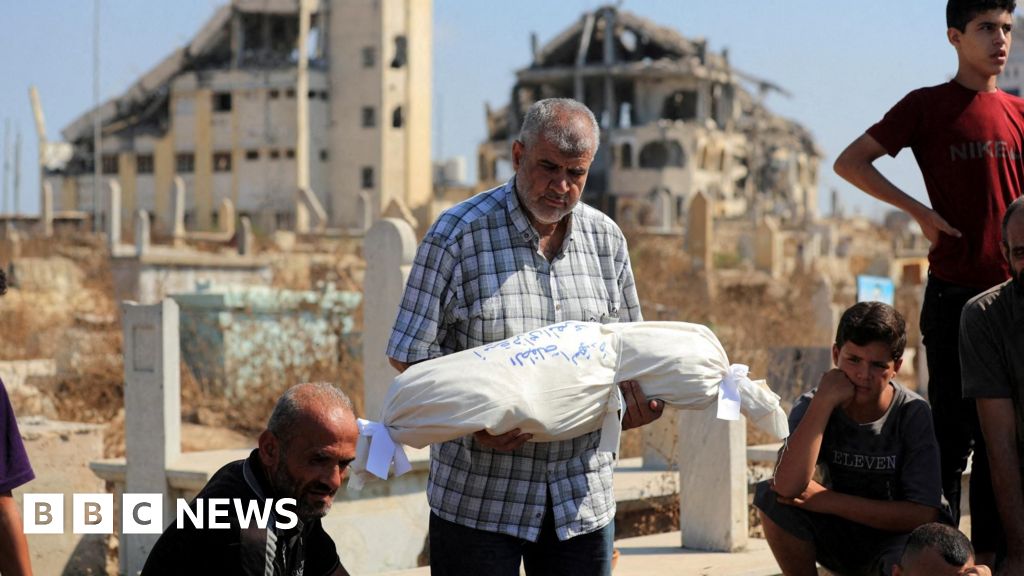
On a tragic day in Gaza, a family lost their lives in a military strike, marking a deep moment of sorrow in a region already fraught with tension. The Israeli military claims the operation aimed at a Hamas operative, but the heartbreaking reality is that innocent lives were caught in the crossfire, highlighting the human cost of ongoing conflict.
The Incident and Its Fallout
The airstrike, which claimed the lives of Firas al-Masri, his wife, and their four children, has sparked widespread outrage and grief. Despite military justifications that cite targeting militants, the collateral damage suffered by civilian families raises important questions about the ethics of such military actions. In densely populated areas like Gaza, military operations pose significant risks to non-combatants, and this tragedy is an example of the severe impact ongoing hostilities have on daily lives.
The reactions to this incident are varied. Families affected by such losses express their profound sorrow and anger over the loss of innocent lives. Advocacy groups and international observers voice their concern, urging greater protection for civilians. As the cycle of violence continues, more families experience the devastating consequences of warfare, emphasizing that civilian casualties in conflicts are often overlooked.
The Broader Implications for Gaza
This tragedy isn’t just about a single family; it reflects a larger pattern of conflict in Gaza that affects countless lives. The cycle of violence leads to a deterioration of trust between communities and complicates efforts for peace. Each incident of civilian casualties undermines attempts at diplomacy and healing within communities, perpetuating a culture of fear and retribution.
Moreover, such events strain humanitarian efforts in the region. As casualties mount, the need for medical assistance, food, and shelter becomes even more critical. Organizations working to provide aid face increased challenges, with resources becoming depleted, and access to affected areas often restricted. The plight of innocent civilians caught in these conflicts often remains at the forefront of discussions concerning peace and resolution.
Calls for Change and Accountability
In light of this devastating incident, there are renewed calls for accountability and systemic change in how military operations are conducted. Many advocate for clearer rules of engagement that prioritize the protection of civilians, arguing that a distinction must be made between combatants and innocent civilians. The international community often debates the legality and morality of military actions, pressing for adherence to humanitarian laws that protect non-combatants in times of war.
Furthermore, this incident underscores the importance of dialogue and negotiation as fundamental tools for resolving conflicts. Engaging in peaceful discussions that address the root causes of violence may help to prevent future tragedies. Advocates for peace emphasize that lasting solutions must focus on human rights, sovereignty, and the respect for life—values that must be upheld to foster a secure future for both Israelis and Palestinians alike.
In conclusion, the heart-wrenching loss of the al-Masri family serves as a painful reminder of the human cost of persistent conflict. It emphasizes the urgent need for diplomatic efforts, accountability, and a commitment to protecting civilians. Through understanding and compassion, it may be possible to break the cycle of violence and work toward a more peaceful coexistence.