
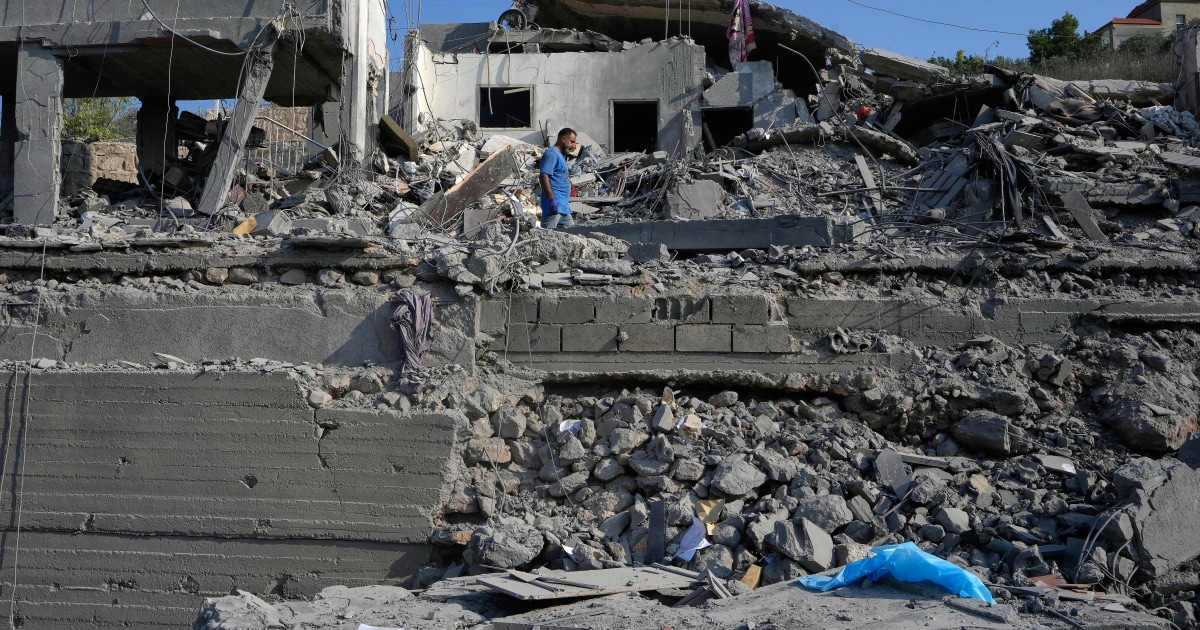
An Israeli airstrike on southern Lebanon claimed the lives of seven individuals and left three others injured on Saturday morning, marking one of the most severe incidents since the fragile ceasefire with Hezbollah began on June 20. This escalation highlights the ongoing tensions in the region and raises questions about future stability.
The Impact of the Airstrike on Southern Lebanon
According to Lebanon’s state-run National News Agency (NNA), the attack specifically targeted a residence on the outskirts of the village of Ansar. Rescue teams are still digging through the debris to find survivors, illustrating the immediate humanitarian crisis triggered by the airstrike. This incident amplifies concerns about civilian safety in regions heavily affected by military operations.
Framework Agreement and Its Implications
Following several rounds of negotiations, Lebanon and Israel announced a “framework agreement” on June 26. This agreement stipulates Israel’s withdrawal from southern Lebanon in exchange for the disarmament of the Iranian-backed Hezbollah militia. It also seeks to lay the groundwork for a potential peace treaty between the two nations, which have technically been at war since Israel’s establishment nearly 80 years ago. Despite these discussions, Hezbollah has not participated in the negotiations and has refused to engage in direct talks.
Ongoing Military Activity Despite Ceasefire
The recent airstrike is a continuation of Israel’s seemingly relentless military operations in southern Lebanon. Reports indicate that the Israeli military executed strikes on the strategically significant Ali Taher hill, which oversees parts of Nabatiyeh and key access routes to the area. While a ceasefire is in effect, Israel’s forces have conducted almost daily assaults on this region, which is situated north of the Litani River, a boundary that has historically defined Israeli military control.
Earlier this month, the situation escalated even further when two Israeli soldiers lost their lives in an explosion in southern Lebanon, marking the first Israeli fatalities since the onset of the fragile ceasefire. Hezbollah did not officially react to this particular incident, leaving questions about their level of involvement in ongoing skirmishes.
Diplomatic Efforts and Continued Hostility
Despite multiple attempts to broker peace, the relationship between Lebanon and Israel remains tense. The two countries have engaged in seven rounds of discussions, the latest taking place in Rome earlier this month. However, the Hezbollah group, under Iran’s influence, has consistently resisted disarming, accusing the Lebanese government of conceding too much without ensuring a full Israeli withdrawal.
Since the outbreak of hostilities in March, over 4,000 lives have been lost due to Israeli strikes across Lebanon, with hundreds of civilian casualties among the total. On the Israeli side, about 40 soldiers and three civilians—including a military contractor—have also fallen victim to the ongoing conflict. This loss of life underscores the dire consequences of ongoing negotiations and military actions, as both sides grapple with the complexities of achieving lasting peace.
As the situation develops, it remains critical for international observers and local leaders to engage in dialogue focused on de-escalation and humanitarian aid, aiming for a lasting solution that prioritizes the safety and welfare of both Lebanese and Israeli civilians.