
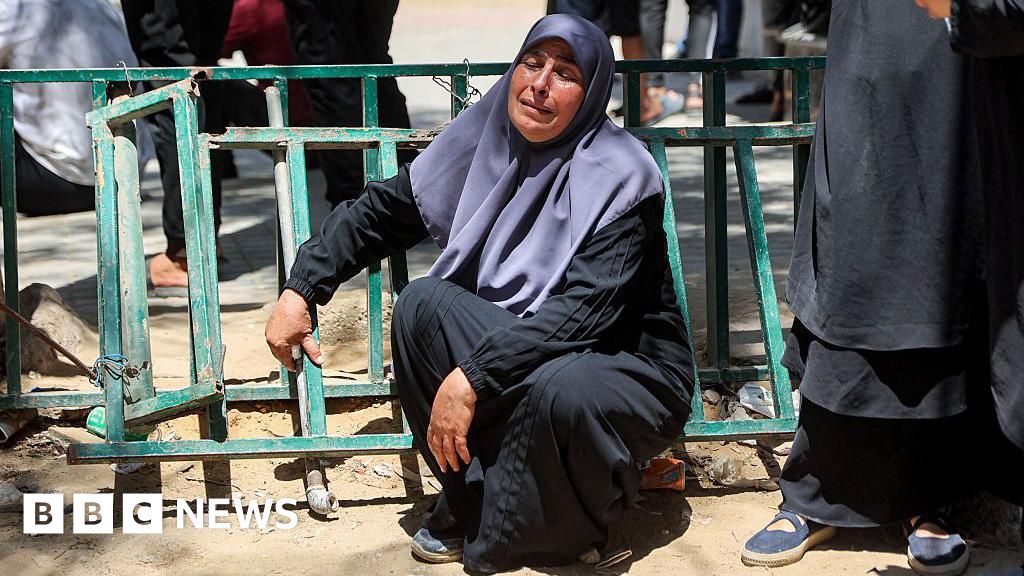
The Consequences of the Latest Airstrike
Amid ongoing tension in the region, a recent airstrike has intensified the already volatile atmosphere. Israel’s military claims the operation was aimed at “terrorists,” leading to numerous casualties, including senior officers from the Hamas-controlled police force. This incident is the latest chapter in a long history of conflict, raising concerns about further escalation and its implications for both local and international stability.
Rising Tensions in the Region
The airstrike, which has drawn widespread condemnation, is not an isolated event but part of a broader pattern of military action in the area. For years, Israel and Hamas have been in a constant state of conflict, characterized by cycles of violence and retaliatory measures. Every military operation tends to provoke retaliatory actions by Hamas, often resulting in civilian casualties on both sides. The international community continues to call for restraint, but the deep-rooted animosities make peaceful resolution increasingly elusive.
The Human Cost of Conflict
The recent strike underscored the human toll of such military engagements. Among those killed was a high-ranking member of the Hamas police force, which has implications for local governance and stability. Each casualty not only impacts the immediate families involved but also contributes to a cycle of grief and retaliation, further entrenching divisions within the community.
Implications for International Relations
Local conflicts often have far-reaching consequences, influencing international relations and foreign policy decisions. The recent airstrike may provoke responses not only from Hamas but also from neighboring countries that have vested interests in the outcome of the Israeli-Palestinian conflict. The potential for regional instability is considerable, given that external actors often engage in peace negotiations or provide military support, complicating matters further.
The Road Ahead
As the situation continues to unfold, analysts emphasize the importance of dialogue and conflict resolution mechanisms. While immediate military actions may appear necessary for national security, they often lead to prolonged suffering and instability. The international community must work collaboratively to address the underlying issues that perpetuate this cycle of violence. Only through sustained diplomatic efforts can there be hope for a lasting peace that protects both Israeli and Palestinian lives.
In conclusion, the airstrike is a grim reminder of the ongoing conflict and its multifaceted repercussions. As the world watches, the focus should shift toward diplomatic solutions rather than military interventions, aiming for a future where both parties can coexist peacefully.