
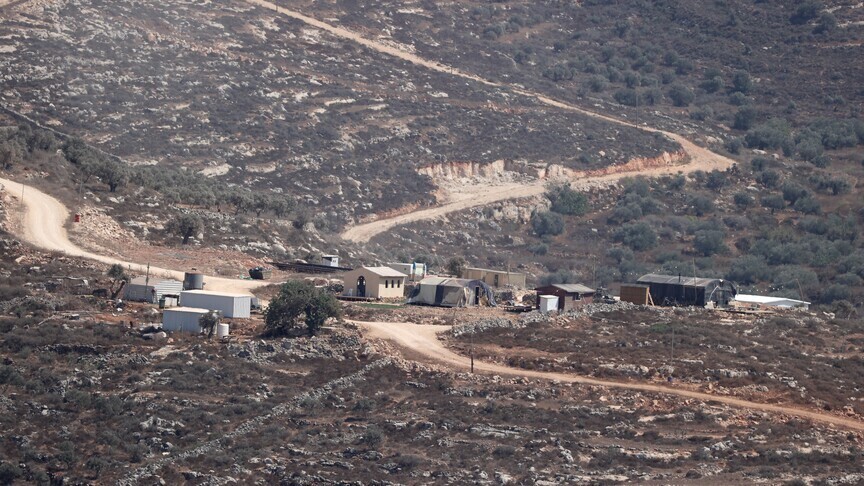
On September 19, 2026, a series of alarming incidents unfolded in the occupied West Bank, marking another day of violence and displacement for the Palestinian communities in the region. The situation has escalated dramatically, leading to widespread condemnation and concern among advocacy groups and human rights organizations.
Recent Attacks on Palestinian Communities
Reports indicate that Israeli forces conducted at least 14 attacks across four provinces in the occupied West Bank, resulting in the theft of approximately 300 sheep and significant damage to vital infrastructure. According to the Palestinian Colonization and Wall Resistance Commission, the aggression was particularly focused in Ramallah and the Al-Bireh Governorate, alongside notable incidents in Hebron, Nablus, and Bethlehem. The acts of violence included gunfire aimed at homes, attacks involving pepper spray, and the deliberate destruction of medical transport vehicles.
In Ramallah, several incidents were reported, including the assault on residents and the theft of livestock from the Al-Hayyan area of Deir Dibwan. The commission noted that these attacks culminated in not just physical harm but also emotional trauma for the affected communities. In addition, Israeli forces targeted Palestinian families in Hebron, where they cut a primary water pipeline serving the village of Ad-Duqaiqa, depriving roughly 700 residents of access to this essential resource.
Impact on Livelihoods and Community Safety
The repercussions of these attacks extend beyond immediate violence; they threaten the livelihood of many Palestinian families. In Nablus, locals reported that Israeli forces invaded neighborhoods and seized agricultural equipment owned by the villagers. Such actions create a climate of fear and insecurity, disrupting not only day-to-day activities but also the long-term viability of Palestinian agricultural practices.
In Bethlehem, reports emerged of shepherds being pursued and livestock released onto Palestinian lands, further exacerbating the challenges faced by those dependent on farming and herding for their incomes. The systematic targeting of these activities undermines the fabric of community life and raises urgent questions about land rights and resource accessibility.
Growing Concerns and International Responses
Disturbingly, statistics reveal that in August alone, Israeli forces executed 628 separate attacks throughout the occupied West Bank, a trend that points to a troubling escalation of violence. The global community has begun to take notice. Notably, US Ambassador to Israel Mike Huckabee described those participating in these violent acts against Palestinians as “terrorists,” signaling a potential shift in international perspectives on the ongoing conflict.
Moreover, a group of fourteen UN special rapporteurs recently warned that the rise in what they term “settler terrorism” poses an existential threat not only to Palestinian lives but also to the sanctity of human rights standards in the region. With approximately 750,000 Israeli settlers currently residing in 156 illegal settlements and 360 outposts within the occupied territories, the situation is increasingly precarious for the Palestinian population.
As the cycle of violence continues, it becomes increasingly crucial for the international community to address these issues with urgency and determination. The ongoing assaults on Palestinian communities not only exacerbate the humanitarian situation but also hinder any prospects for lasting peace and reconciliation in the region.