
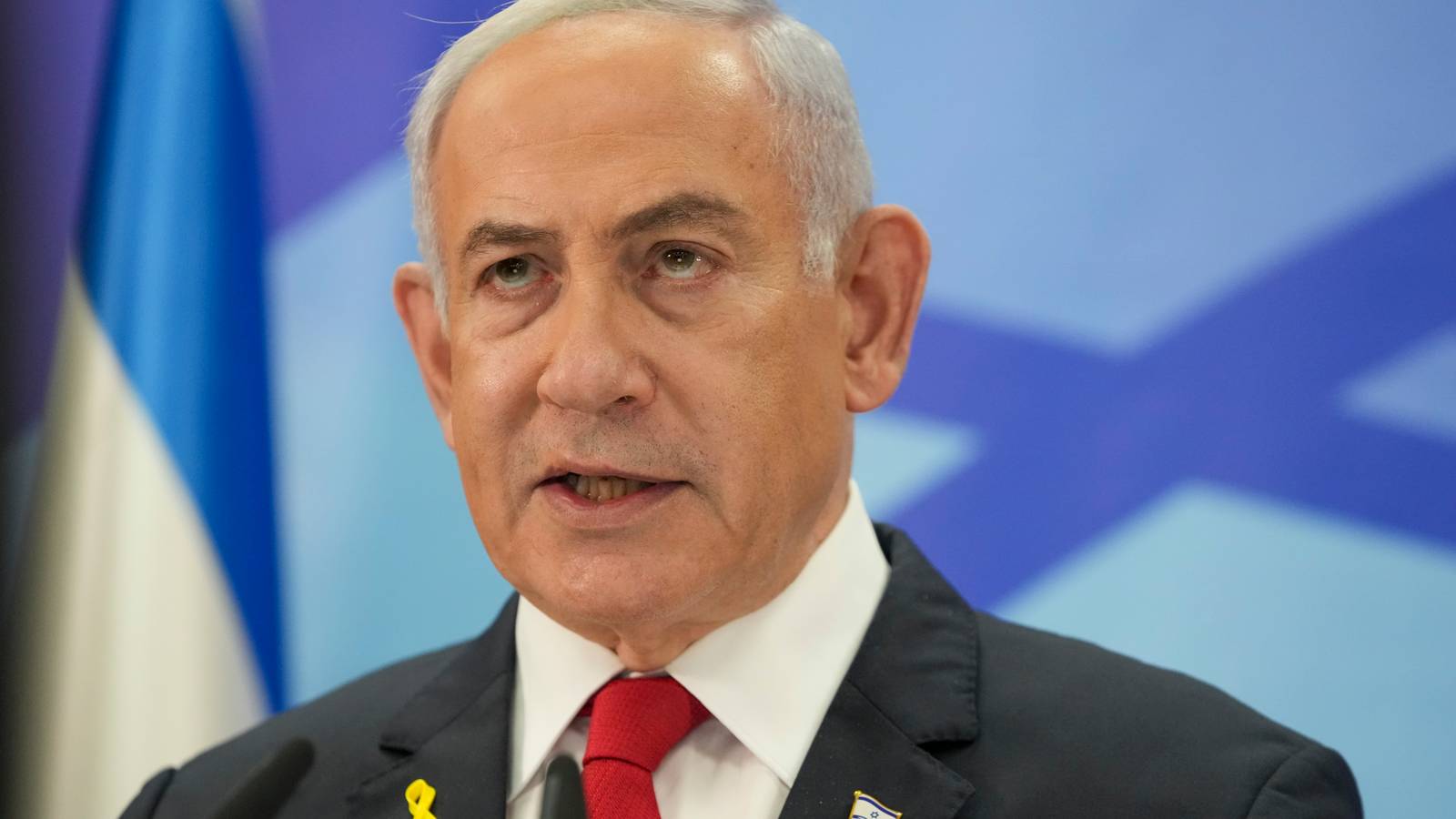
Israeli Finance Minister Bezalel Smotrich recently articulated a perspective on the ongoing conflict between the U.S. and Iran, which diverges from the more carefully measured comments of other Israeli officials. According to him, the best scenario for Israel is one where the U.S. engages with Iran directly, allowing Israel to remain uninvolved in active military operations.
Smotrich Clarifies Israeli and American Objectives
During a settlement conference, Smotrich stated, “When it comes to the state of Israel, there is no interest in joining the campaign.” This candid declaration underscores Israel’s strategic choice to let the U.S. target its main adversary, Iran, while conserving its military resources. By refraining from direct involvement, Israel avoids Iranian counterattacks and keeps its options open for future engagement.
Smotrich’s comments also reveal a clear distinction between Israeli and American goals. While the U.S. has targeted Iranian naval forces and coastal defenses to ensure the safety of shipping routes, Israel’s ambitions extend further. Smotrich emphasized the need for Israel to “destabilize” Iran to the point of regime change, reflecting a long-standing Israeli concern regarding Iran’s potential threat to its existence. This difference in objectives explains why Israel has chosen to adopt a restrained stance.
Israel Holds Off in a Calculated Move
Israel’s current strategy is consistent with a cautious approach discussed by other Israeli leaders and defense analysts. As Israel continues to evaluate its missile and nuclear capabilities, it can afford to bide its time while assessing the evolving situation. The ongoing American military operations primarily focus on the Strait of Hormuz and various Iranian threats to U.S. and allied interests. This situation allows Israel the luxury of waiting, as the next steps depend on Iran’s actions or any request from the U.S. for support.
Mark Dubowitz, CEO of the Foundation for Defense of Democracies, remarked, “Israel’s best move is to not move—yet.” In his view, this gives Israel the ability to reserve its firepower and respond decisively if provoked. Regrettably, President Trump has acknowledged Israel’s readiness to jump in at a moment’s notice, although he added that the U.S. can manage without any additional support.
America’s Role Comes at a Cost for Israel
Smotrich’s assertion that the current situation is “best for us” reflects a strategic arrangement where Israel can pursue its goals without incurring the immediate risks associated with direct combat. This calculation shows that while Israel remains engaged in the conflict indirectly, it is the U.S. that bears the burdens of military and operational costs. Reports indicate that at least 18 American service members have lost their lives, with hundreds more injured in the broader conflict.
American forces are currently tasked with striking Iranian positions, defending regional bases, and ensuring the safety of international shipping routes—an endeavor that clearly absorbs significant resources and risks. For Israel, the current status is beneficial; it allows Israel to maintain a vigilant stance without initiating direct confrontations. The arrangement permits Israel to strengthen its position against Iran while also having the option to react if Iranian aggression extends to its territory.
In summary, as the conflict continues to unfold, Israel appears prudent in its approach, leveraging U.S. military efforts while safeguarding its own resources and strategic objectives.