
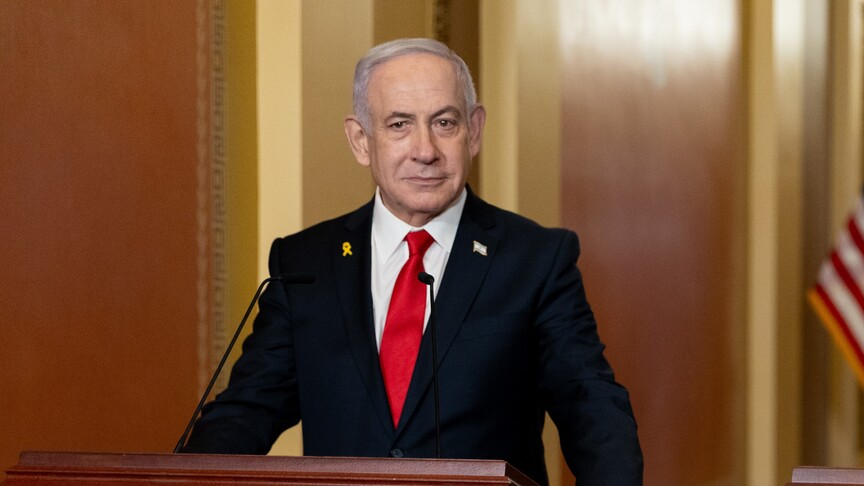
Israeli Prime Minister Benjamin Netanyahu is preparing to propose specific reserved positions for key members on the Likud party list for the upcoming legislative elections scheduled for October 27. This move highlights the intense competition among party members as they vie for advantageous placement on the ballot.
Notable Proposals for Party Positions
On Tuesday, Netanyahu announced his intent to secure spots on the Likud party list for Defense Minister Israel Katz, Foreign Minister Gideon Saar, and Minister Haim Katz. This initiative is set to be presented before the Likud secretariat for official approval. The decision underscores the ongoing jockeying among party lawmakers and ministers eager to enhance their standings prior to the elections.
Understanding the Likud Party List
The Likud list is critical for the parliamentary elections, representing the official candidates fielded by the party. In Israel’s electoral system, voters choose a political party, and seats in the Knesset are allocated based on the order of candidates on the party list and the number of parliamentary seats won. Consequently, the ranking on this list holds significant importance, as it essentially determines political careers and influences the dynamics of the governing coalition following the elections.
The proposed reservations for Katz, Saar, and Haim Katz, who also leads the Likud Central Committee, aim to solidify their positions as formidable contenders in the party’s lineup. As internal competition heats up, securing these reserved spots could prove vital for their political futures.
Implications for the Upcoming Elections
This strategy appears essential for Netanyahu as his Likud party faces not only internal competition but also external pressures ahead of the parliamentary elections. The stakes are exceptionally high, given that the election results will shape the governing coalition that follows the current administration led by Netanyahu.
In June, Likud explicitly stated that Netanyahu plans to run for re-election in the forthcoming polls. This commitment signals a focus on maintaining party unity while capitalizing on the prominence of established figures within the party.
Background Context: Ongoing Controversies
Notably, Netanyahu’s political landscape is complicated by legal challenges. He has been wanted by the International Criminal Court (ICC) since 2024 on accusations of war crimes and crimes against humanity in the Gaza Strip—a region ravaged by conflict, resulting in over 73,000 lives lost and more than 174,000 injuries since October 2023. These serious allegations cast a shadow over his leadership and may influence voter sentiment in the upcoming elections.
In summary, as Netanyahu seeks to consolidate his party’s power with strategic candidate placements, the implications of these decisions could ripple through the political fabric of Israel. The competition among party members, coupled with external pressures and the current controversies surrounding Netanyahu, will play a crucial role in shaping both the elections and the future of the Likud party.