
Israel Aerospace Industries (IAI) has introduced a groundbreaking air defense system named Hypnosis, aimed at countering aerial threats. This innovative technology was revealed over the weekend, showcasing IAI’s commitment to enhancing military capabilities in an era marked by escalating tensions.
About the Hypnosis System
The Hypnosis system is engineered to disrupt satellite navigation signals that guide hostile aerial entities, effectively jamming and spoofing these signals. This advanced solution operates through a network of mobile stations strategically positioned around a protected area. By collaborating seamlessly, these stations can interfere with the command-and-control communications of incoming threats, thereby neutralizing potential risks from various aerial attacks.
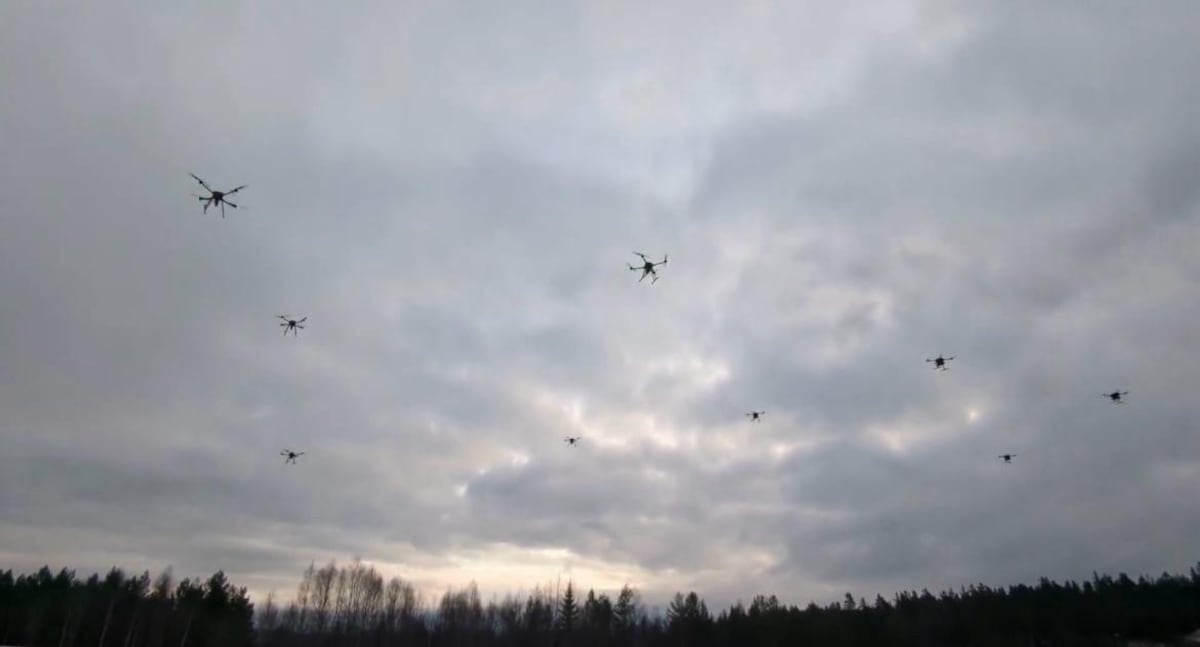
This cutting-edge technology stems from IAI’s extensive experience in navigation warfare, also known as NAVWAR. Unlike conventional kinetic defense systems that entail physical interceptions, Hypnosis presents a soft-kill option, allowing for the simultaneous dismantling of multiple drones. This capability is particularly significant in scenarios where engaging a large number of drones using hard-kill methods would be complex and challenging.
The Importance of Advanced Air Defense
The unveiling of the Hypnosis system is timely, coinciding with an increase in military confrontations involving major powers, such as the United States and Iran. As tensions continue to rise in the Middle East—with a notable uptick in missile and drone engagements between Russia and Ukraine—the demand for innovative air defense solutions has intensified.
As defense companies globally strive to advance technology capable of handling swarms of drones that operate autonomously, the need for effective countermeasures becomes even more critical. Drones have become a prominent aspect of modern warfare, presenting unique challenges due to their ability to overwhelm traditional air defense systems. The saturation tactics employed by these swarms elevate the potential for at least one drone to breach defenses and carry out its mission.
Future of Drone Warfare
With the development of technologies like the Hypnosis system, there is a significant shift in how military conflicts may unfold. These advancements highlight a broader trend within the defense sector, where both offensive and defensive strategies are evolving to address the complexities of modern warfare. Firms are not only focusing on creating better methods for conducting drone attacks but are also prioritizing the creation of robust systems to defend against such threats.
As we look ahead, the balance of power in military capabilities will depend heavily on innovations in aerial defense technology. Systems like Hypnosis represent not just a technical achievement but a strategic enhancement that can potentially reshape the landscape of future conflicts, ensuring that nations remain prepared for a variety of combat scenarios.
In conclusion, with the introduction of systems like Hypnosis by Israel Aerospace Industries, the landscape of aerial warfare is rapidly changing. As geopolitical tensions persist, such advancements underscore the urgent need for innovative defense solutions that can effectively protect against an evolving array of aerial threats. The integration of these cutting-edge technologies will play a pivotal role in shaping the future of military engagements worldwide.