
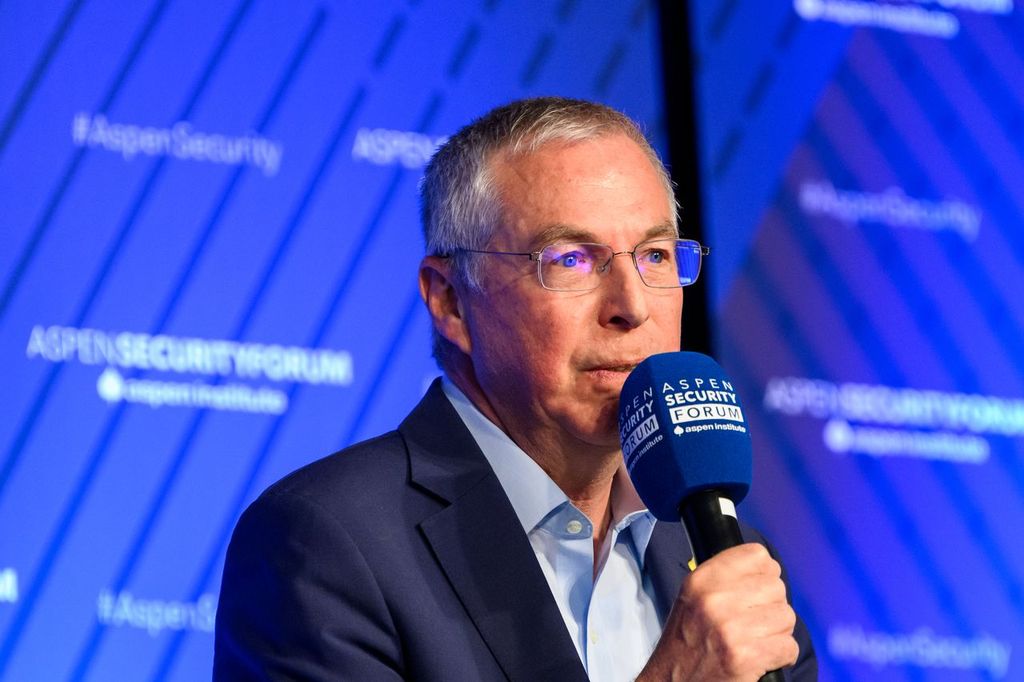
Michael Herzog, the former Israeli Ambassador to the United States, has stirred controversy regarding the progressive advocacy group J Street, particularly amid the ongoing conflict with his successor, Ambassador Yechiel Leiter. Herzog openly expressed his belief that J Street does not qualify as a pro-Israel organization, prompting discussions on the nature of pro-Israel advocacy and the role of progressive groups in the discourse.
Leiter’s Harsh Critique of J Street
Ambassador Yechiel Leiter recently labeled J Street a “cancer within the Jewish community” during public remarks in which he criticized the organization for advocating restrictions on arms sales and U.S. aid to Israel. He argued that the group is “two-faced,” claiming it presents itself as pro-Israel while simultaneously taking positions that he believes undermine the nation’s legitimacy. On the other side, J Street’s president, Jeremy Ben-Ami, has accused Israel of genocide, further deepening the divide between the organization and Israeli officials.
Herzog clarified his stance on what it means to be pro-Israel, stating that it involves a clear distinction between criticizing Israeli policies and supporting agendas that delegitimize Israel. He articulated that true pro-Israel sentiment includes not just endorsing Israel’s right to exist but actively supporting the means necessary for its defense. His comments reflect the prevailing sentiment among many Israelis who view J Street’s actions as counterproductive to the nation’s interests.
The Response from J Street and Broader Jewish Leadership
Following Leiter’s statements, J Street organized a coalition of over 500 Jewish leaders, urging him to retract his remarks and apologize for language they considered dehumanizing to fellow Jews. This coalition included notable figures such as Rep. Jerry Nadler, former U.S. Ambassadors to Israel Dan Kurtzer and Tom Nides, as well as various leaders from the Reform movement. They contend that such discourse creates division within the Jewish community and impedes constructive dialogue.
While acknowledging the varied perspectives within the Jewish diaspora, both Herzog and Leiter have shown concern about the ideological divisions exacerbated by such rhetoric. As Herzog emphasized, listening to the majority opinion of Israelis reveals a general skepticism about the advocacy efforts of J Street.
Leiter’s Defense of Reform Judaism
In addition to his critiques of J Street, Ambassador Leiter also defended the Reform movement against derogatory remarks made by Likud MK Mai Golan. She had criticized the denomination and its practices, including inflammatory statements to a prominent Reform rabbi, which Leiter condemned. He described Golan’s comments as “disgusting” and “reprehensible,” emphasizing that theological and ideological differences should foster debate rather than hatred.
Leiter’s commitment to engage with Reform leaders and apologize for Golan’s remarks showcases a desire for reconciliation within the Jewish community. He asserted that while differences in beliefs are necessary for a healthy discourse, there are lines that should not be crossed. His remarks highlight the importance of respectful dialogue, especially during turbulent times.
In a broader context, these exchanges reflect an ongoing tension within Jewish advocacy, particularly as it relates to Israel. Conversations like these are crucial as they can shape the future of pro-Israel advocacy and influence international perceptions of Israeli policies. The comments from both Herzog and Leiter serve as a reminder that within the complexities of Israeli and Jewish identities, unity and understanding remain essential for constructive advocacy.