
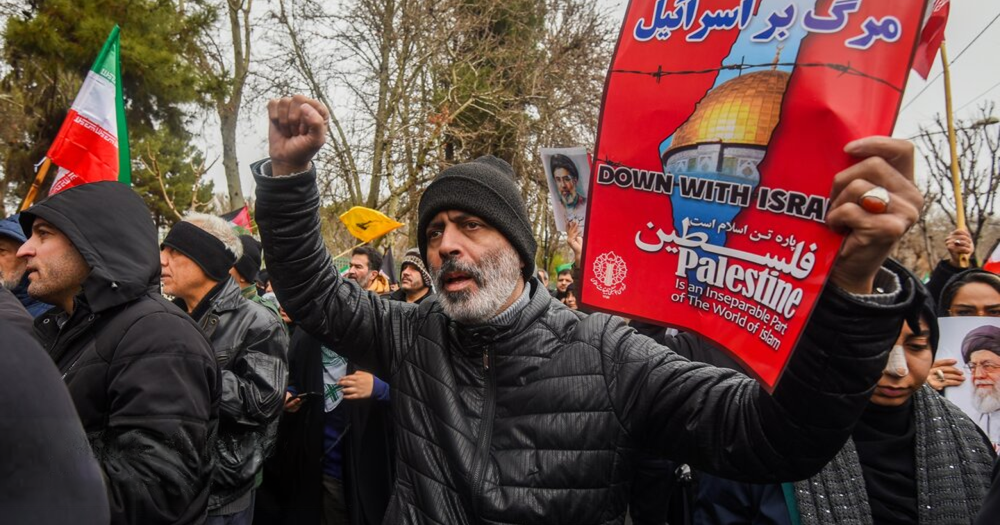
As discussions in Washington suggest a potential agreement with Tehran is nearing, tensions in the Middle East continue to escalate. Recently, Iran’s supreme leader reiterated his late father’s longstanding rhetoric aimed at the annihilation of Israel. Concurrently, Hezbollah has ramped up its drone strikes on northern Israel, prompting further analysis regarding the implications of these developments.
Iran’s Rhetoric and Strategic Significance
The words of Iran’s supreme leader carry significant weight in the region. By invoking his father’s call for the destruction of Israel, he is not merely restating a historical position; he is reinforcing a national narrative that resonates deeply with his base. This rhetoric serves multiple purposes. It consolidates internal support while simultaneously projecting Iran’s defiance on the international stage. The timing of such statements, especially amid potential diplomatic resolutions, raises questions about Iran’s commitment to any forthcoming agreements.
Heightened Hostilities with Hezbollah’s Drone Strikes
In tandem with Iran’s inflammatory statements, Hezbollah’s recent surge in drone attacks highlights the volatile security landscape surrounding Israel. These strikes underscore the escalating military capabilities of Hezbollah, an organization closely aligned with Iran. Their actions serve as both a show of strength and a strategic maneuver to exploit perceived vulnerabilities in Israel’s defense. The implications of these attacks go beyond mere military confrontations; they also suggest a coordinated approach between Iran and its allied militias, potentially complicating any diplomatic resolutions.
The Role of International Negotiations
As the possibility of an agreement between the U.S. and Iran becomes more pronounced, the backdrop of heightened tensions presents a complex challenge. Negotiators must navigate a landscape fraught with hostility and distrust. The ongoing military actions by Hezbollah and Iran’s provocative rhetoric can undermine confidence in the peace process. It remains to be seen how these developments will influence the negotiations, but they certainly add layers of difficulty for diplomats attempting to broker a lasting deal.
In conclusion, while talks between Washington and Tehran may signal a thaw in relations, the accompanying military escalations and provocative statements reveal just how fragile peace can be in the region. The interplay between rhetoric, military actions, and international diplomacy will continue to shape the future of Middle Eastern geopolitics. For observers and stakeholders alike, understanding these dynamics is crucial in anticipating the potential outcomes of ongoing diplomatic efforts.