
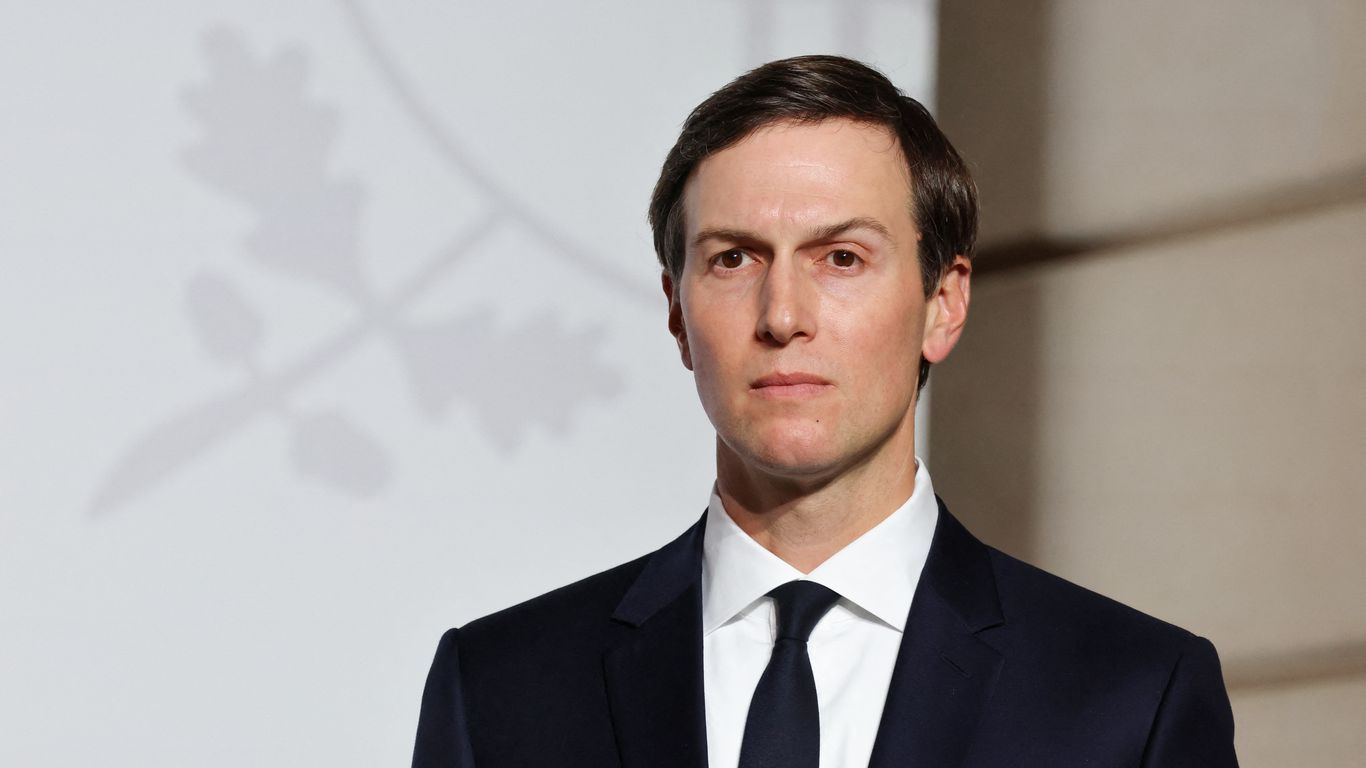
Jared Kushner’s Upcoming Visit to Israel: A Strategic Meeting with Netanyahu
Jared Kushner, a key figure in shaping U.S. foreign policy in the Middle East, is set to visit Israel for crucial discussions with Prime Minister Benjamin Netanyahu. This visit comes at a time when regional tensions and diplomatic relations are under scrutiny. As the world watches closely, Kushner’s meetings could have significant implications for the future of U.S.-Israel relations and broader Middle East dynamics.
The Context of Kushner’s Visit
Kushner’s visit to Israel occurs against the backdrop of fluctuating geopolitical landscapes in the Middle East. The region faces ongoing conflicts and the need for renewed dialogue among various stakeholders. With Kushner’s previous experience in brokering peace efforts, including the Abraham Accords, his engagement with Israeli leadership is anticipated with high expectations. The nuances of this meeting can impact not just bilateral relations but also influence the strategies of neighboring countries and entities engaged in the peace process.
Key Topics of Discussion
During his discussions with Netanyahu, several pressing issues are likely to take center stage. The evolving Israeli-Palestinian conflict has long been a focal point of U.S. foreign policy, and both leaders may explore potential pathways to a peaceful resolution. Additionally, regional security, particularly regarding threats from Iran and ongoing tensions within the Gaza Strip, will be critical topics. Moreover, conversations might extend to economic collaborations and technological advancements shared between the two allies. The outcome of these discussions will be pivotal for future diplomatic endeavors.
Impact on U.S.-Israel Relations
This visit represents an opportunity for Kushner to reinforce the United States’ unwavering support for Israel. Strengthening this bilateral relationship is not only beneficial for economic and military cooperation but also serves a strategic purpose in countering hostile regional influences. As geopolitical challenges arise, Kushner’s role in solidifying this partnership could be a cornerstone of U.S. diplomacy in the Middle East. The decisions made during this visit could lay the groundwork for a stronger, more resilient alliance between the two nations.
Broader Implications for the Region
The ramifications of Kushner’s discussions extend beyond the U.S.-Israel dynamic. The outcomes may affect relations with neighboring Arab nations, particularly those that have recently normalized ties with Israel. Engaging with these states to foster broader regional cooperation and stability is vital. Success in these talks may pave the way for enhanced partnerships across the Middle East, promoting dialogue and collaborative efforts towards lasting peace.
In conclusion, Kushner’s upcoming trip to Israel is pivotal, filled with potential to shape future policies and alliances. As both leaders navigate complex issues from security to economic partnerships, the implications of their discussions will resonate throughout the region and beyond. The world will undoubtedly be watching this critical meeting, eager to see how it might influence the dynamics of peace and cooperation in the Middle East.