
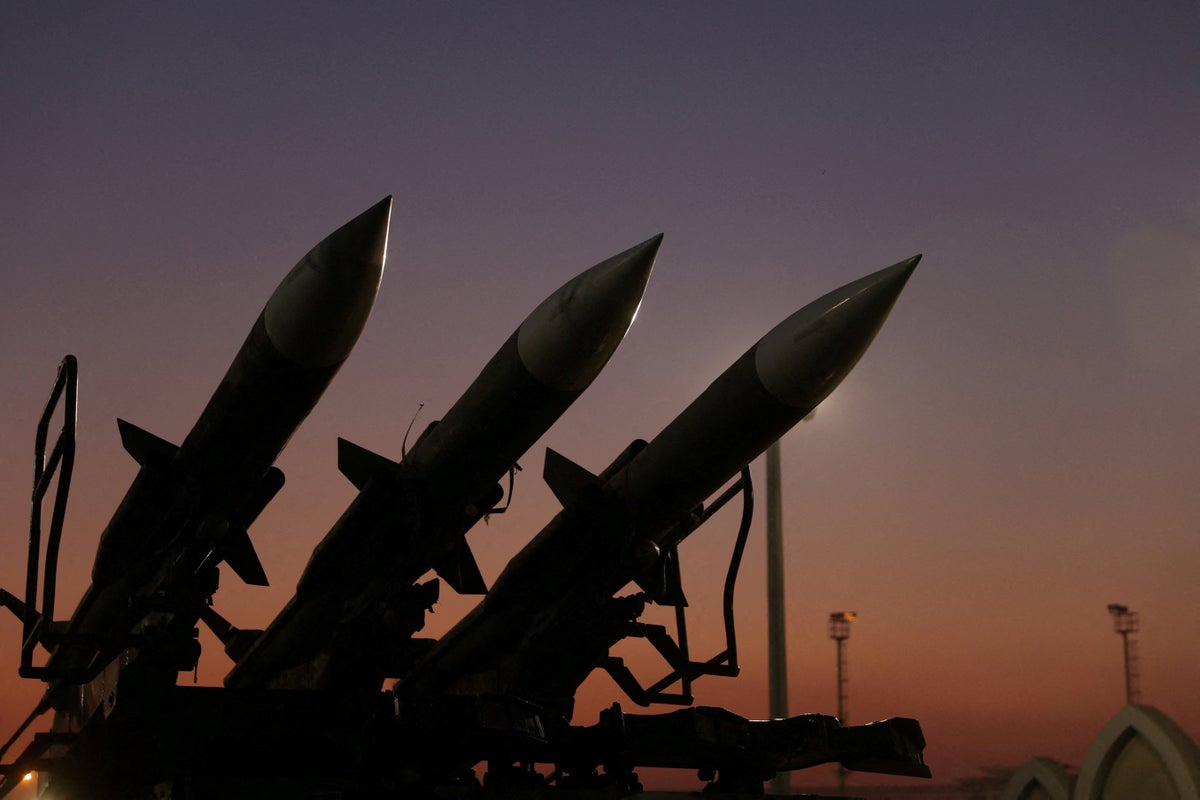
The geopolitical landscape is continually shifting, especially in the context of the ongoing tensions between Iran, the United States, and Israel. Recent developments highlight profound maneuvers within Iran regarding its nuclear program and unsettling actions towards peace efforts in the region.
Iran’s Stance on Uranium Enrichment
Iran’s Supreme Leader, Mojtaba Khamenei, has reportedly mandated that near-weapons grade uranium remains within the country. This directive, as informed by high-ranking Iranian sources, positions Iran firmly in opposition to U.S. demands for nuclear disarmament. The United States has long insisted that Tehran relinquish its enrichment rights to prevent the development of nuclear arms, while Iran maintains its sovereign right to pursue its nuclear ambitions. The recent command from Khamenei emerges against a backdrop of escalating tensions, particularly following the U.S. and Israeli military actions resulting in significant losses for Iran.
In a further development, Khamenei has been notably absent from public view since the assassination of his father, which raises questions about the internal power dynamics and stability within Iran. This mystery adds layers of complexity to international diplomatic relations as the world observes Iran’s strategic responses to external pressures.
International Responses and Tactical Measures
In related news, the U.S. military recently boarded an Iranian-flagged oil tanker in the Gulf of Oman amidst suspicions that it was attempting to breach an ongoing blockade. This intervention is part of the broader strategy undertaken by the U.S. since the reinstatement of strict sanctions on Iranian shipping. The Trump administration’s approach has emphasized a hard-line stance, aiming to squeeze Tehran economically and politically. The U.S. Central Command asserted that the tanker, identified as the M/T Celestial Sea, was redirected after it was suspected of intending to reach an Iranian port. This marks yet another escalation in maritime tensions and signals potential volatility in the region’s oil supply.
On the diplomatic front, discussions between the U.S. and Iran continue, mediated by Pakistan. Iranian officials have indicated they are reviewing the latest American proposals for a potential ceasefire, amidst threats from President Trump to escalate military actions if negotiations fail. The uncertainty of these diplomatic channels creates an atmosphere of tension, with implications for global economic stability.
Humanitarian Concerns and Activism
Meanwhile, the current humanitarian situation in Gaza warrants urgent attention. Activists aboard a Gaza-bound flotilla, which was intercepted by Israeli forces, have drawn international criticism following the treatment of detained individuals. Footage showing activists kneeling under Israeli guard conditions has triggered outrage, with calls from supporters urging their home governments to advocate for their release. The flotilla’s mission was to deliver essential supplies to Gaza, where shortages remain dire due to ongoing conflict and blockades.
The flotilla’s organizers emphasize the significance of challenging Israel’s blockade effectively, asserting that their mission is rooted in humanitarian assistance rather than provocation. Responses from Israeli authorities, including assertions of legal blockade measures, contribute to the escalating tensions surrounding peace efforts in the region.
In summary, the interwoven challenges presented by Iran’s nuclear ambitions, maritime security, and humanitarian actions in Gaza encapsulate a complex web of geopolitical strife. As diplomatic endeavors unfold, the world watches closely, hoping for resolutions that prioritize peace and stability in this fragile region.