
On August 11, 2026, the ongoing conflict between Israel and Lebanon reached a tragic height with the death of a Lebanese man, Ali Sabah. Reports confirm that the individual succumbed to injuries inflicted by an Israeli drone strike on his vehicle in the Nabatieh district of southern Lebanon. This incident highlights the continued hostilities affecting civilians in the region, where tensions have escalated since March 2026.
Impact of the Drone Strike
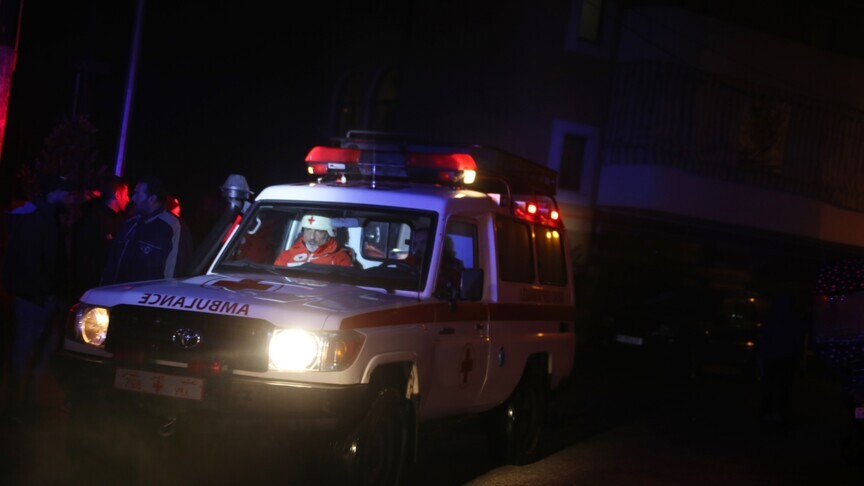
According to Lebanon’s state news agency, Sabah suffered severe injuries that ultimately led to his death in a local hospital. The strike, which occurred on the same day, also resulted in injuries to two other individuals, according to the Lebanese Health Ministry. The aggression was not limited to the initial drone attack; a secondary strike targeted a medical response team that rushed to provide aid, severely damaging an ambulance and underscoring the dangers faced by emergency responders during conflicts.
The Ongoing Conflict
The situation in Lebanon remains dire, as reported by local authorities, who claim that the ongoing hostilities have resulted in significant casualties. Since the beginning of the latest wave of violence in March 2026, approximately 4,335 lives have been lost, with over 12,277 individuals injured and more than one million displaced. These statistics paint a grim picture of the humanitarian crisis that continues to unfold in the region. The situation raises urgent questions about the implications for civilians caught in the crossfire of military operations.
Diplomatic Efforts Amid Military Actions
Despite ongoing diplomatic negotiations aimed at finding a resolution, military actions have persisted. In late June, under the sponsorship of the United States, Lebanon and Israel signed a framework agreement. This arrangement envisions Israel’s gradual withdrawal from occupied Lebanese territories in exchange for the deployment of the Lebanese army and the disarmament of armed groups, particularly Hezbollah. However, this agreement’s future remains uncertain, especially in light of the continuing military confrontations.
Occupation and Territorial Advances
Israel’s long-standing occupation of southern Lebanon raises concerns about the security and stability of the region. Some areas have been under Israeli control for decades, while others were seized during the recent conflict that began in 2023. Reports indicate that Israeli forces have advanced over 10 kilometers (approximately six miles) into Lebanese territory during the current conflict, intensifying fears of further territorial disputes and exacerbating existing tensions.
In conclusion, the recent drone strike that resulted in the death of Ali Sabah exemplifies the ongoing violence and suffering experienced in Lebanon. Amid failed diplomatic efforts and increasing military activity, the humanitarian situation remains precarious. The impact of these conflicts on civilians cannot be overstated, and urgent diplomatic and humanitarian responses are essential to alleviate the suffering in the region.