
Destruction in Yaroun: Eyewitness Accounts from Lebanon’s War-Torn Village
In the southern Lebanese village of Yaroun, the impact of recent conflicts is profoundly felt by displaced residents. The stories of destruction resonate deeply, showcasing the personal loss experienced by many families. These heartbreaking accounts, framed by satellite images, illustrate the devastation of a community that once thrived amidst rich cultural heritage.
The Disintegration of Homes and Heritage
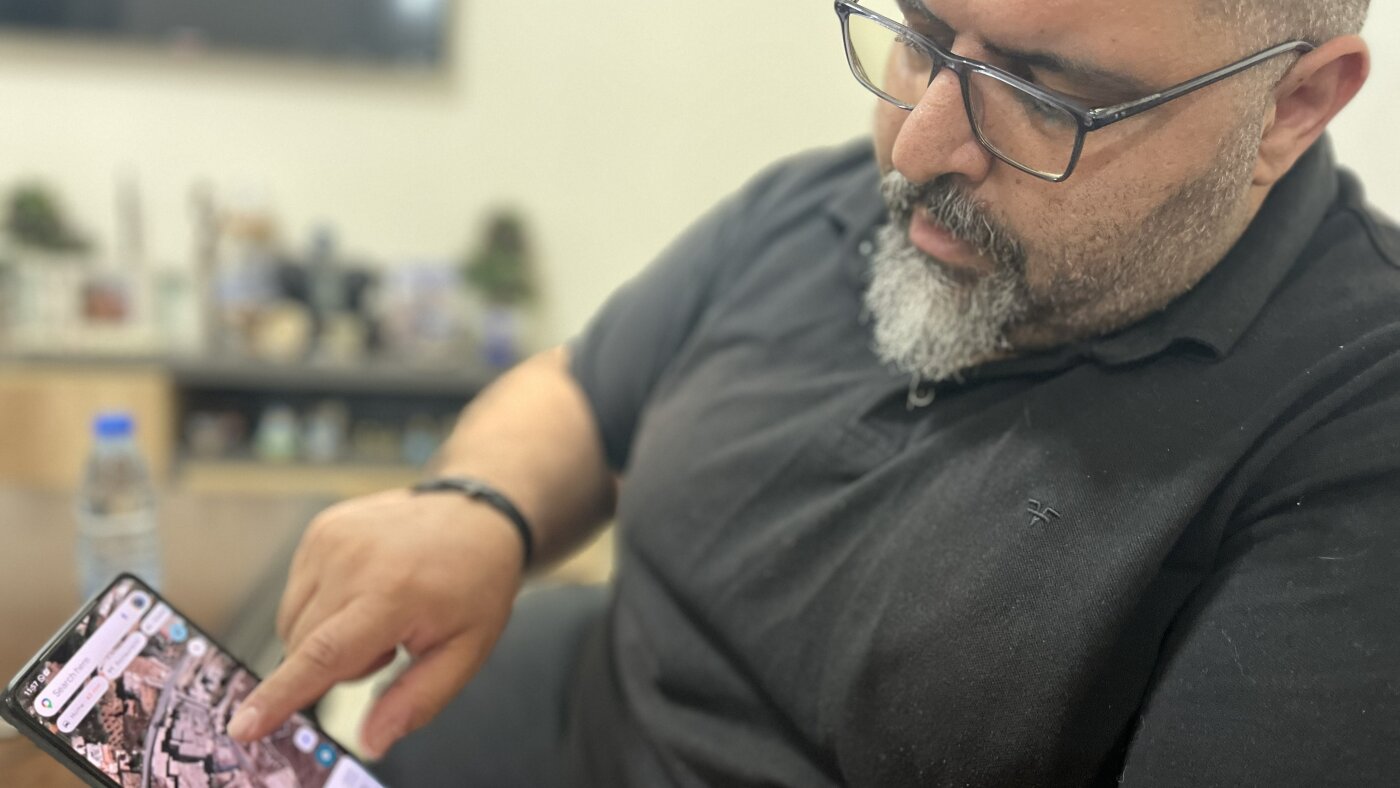
Mazen Farah gazes at his smartphone, revealing satellite images that depict the ruin of his family’s ancestral home, constructed painstakingly by his father. The photographs starkly contrast the vibrant memories etched in his mind from his childhood. “This is what it shows from the satellite — it shows that it has been destroyed,” he laments. Such visuals unveil a grim reality, with the Israeli military’s airstrikes targeting various structures in Yaroun, including churches and homes.
In March, escalating tensions between Israel and Hezbollah led to extensive air raids across southern Lebanon. These actions resulted in hundreds of thousands of individuals being displaced, leaving communities in ruins. Following a ceasefire in April, Israeli forces further razed numerous buildings, asserting their focus on dismantling Hezbollah’s supposed infrastructure, while offering little transparency or justification for their actions.
Documenting Destruction from Afar
With no access to their properties, many residents are pooling resources to acquire commercial satellite images to confirm the fate of their homes. Each image comes at a substantial cost, usually rising above $112. However, some satellite providers have been hesitant to supply images of specific locations, occasionally citing governmental restrictions. Geryes Saloum, a resident who built his home in Yaroun a decade ago, reflects on the uncertainty surrounding his neighborhood’s fate, expressing deep emotional turmoil over the lost structures.
The community is characterized by its longstanding roots and diverse architecture, now threatened by ongoing conflict. Mayor Hafez Ghacham reports that nearly 180 out of 200 houses in the village have been destroyed since the hostilities intensified in March. Concerns persist about residents’ safety, with many fearing retaliations for documenting damage.
The Search for Truth and Evidence
As economic struggles deepen, families like the Farahs grapple with loss, reminiscing about the vibrant gardens and monuments that once adorned their community. Mazen’s father, Hanna, who misses seeing his home, has mounted a photo plaque on stone as a nostalgic tribute. “We exhausted ourselves building the house and raising our children,” he reflects, embodying the heartbreak of countless families witnessing their legacies disappear under the weight of violence.
Many in the village reject accusations claiming their homes harbor Hezbollah. Mazen asserts that security measures were in place to protect the family, questioning the rationale behind the attacks on their property. “Provide one piece of proof that this house was used in any manner,” he challenges, emphasizing the lack of evidence connecting civilian homes to militant activity.
American Connections and a Hope for Rebuilding
Notably, many homeowners in Yaroun hold American citizenship, highlighting the emotional and financial stakes involved. Residents Emigrate to places like the U.S., settling with hopes of returning. With their properties now erased from the landscape, the anguish weighs heavily. “These are the properties of American taxpayers who work hard and pay their dues,” laments Hanna. The continued U.S. military aid to Israel complicates the narrative, raising ethical questions about the ongoing conflict’s consequences for families like the Farahs.
Still, the yearning for home persists. From New York, Hanna grapples with conflicting emotions. Some days ignite a resolve to rebuild, while others yield to despair over an uncertain future. The desire to restore their legacy stands at odds with the grim reality of war—a poignant reminder that the stories of Yaroun extend far beyond its borders. The hope for peace, combined with the determination to return, fuels the dreams of those displaced from their homes. As the community collectively confronts the ashes of their past, their resilience embodies a collective yearning for healing and rebuilding amidst devastation.