
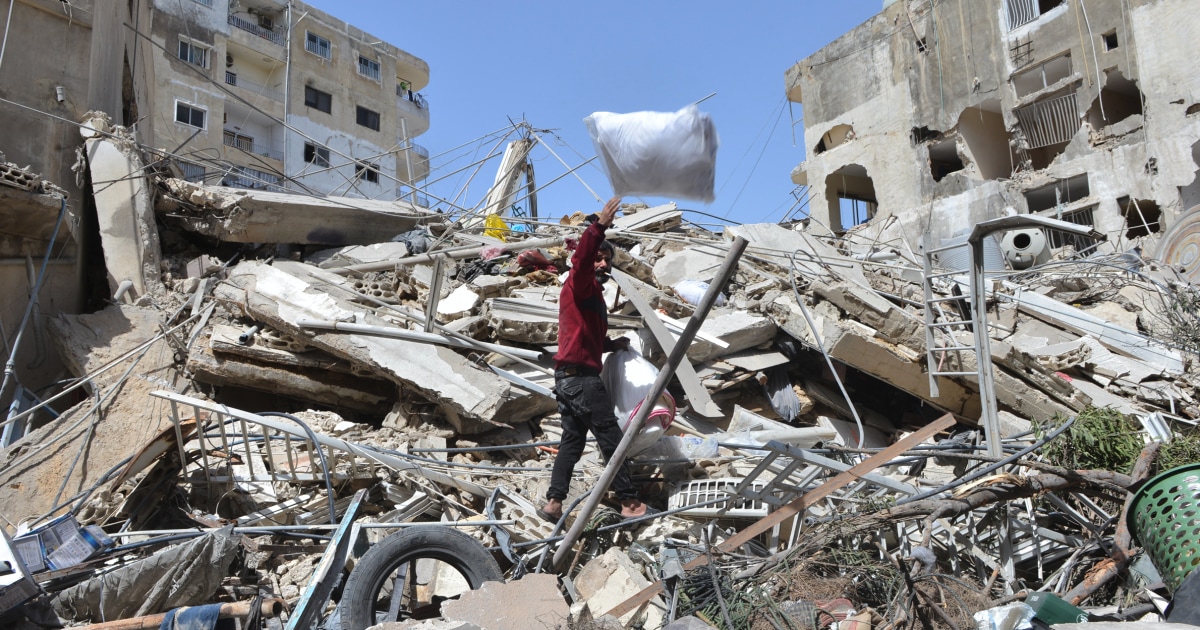
The ongoing conflict between Israel and Hezbollah in Lebanon has escalated dramatically, resulting in a staggering death toll. According to Lebanon’s health ministry, the number of casualties now exceeds 3,000. This latest wave of violence has erupted amidst deepening tensions in the region, highlighting the complexities and frustrations in achieving lasting peace.
Current Casualties and Conflict Background
As per the latest reports, the toll stands at 3,020, including a tragic count of 292 women and 211 children. The confrontation reignited on March 2, when the Hezbollah militant group initiated fire towards Israel just two days following U.S. and Israeli operations targeting Iran. Despite attempts to establish a ceasefire, hostilities have continued unabated, with both sides launching attacks against one another.
Israel has launched a full-scale invasion of southern Lebanon, striking multiple sites including the capital, Beirut, while claiming to target efforts by Hezbollah to replenish their arsenal. Meanwhile, Hezbollah continues to assert its presence as both a militant and political force in Lebanon, resisting calls from the government and international community to disarm.
Humanitarian Crisis and Displacement
The conflict has created a significant humanitarian crisis within Lebanon, displacing over a million individuals. Many have been forced to flee to makeshift shelters, some residing in tents along roadsides and beaches in Beirut. Concurrently, Israel has struggled to respond to ongoing drone attacks from Hezbollah, which threatens both their troops stationed in Lebanon and towns along the northern Israeli border.
Despite ongoing negotiations aimed at producing a ceasefire—originally established on April 17 and extended into June—Israeli airstrikes continue to target various locations in Lebanon. Troop presence remains substantial in southern Lebanon, creating a fraught environment in which diplomacy struggles to gain traction.
Negotiations and International Involvement
Amidst the fighting, discussions between Lebanon and Israel remain in progress. Israeli military spokesperson Avichay Adaree has urged residents near Tyre to evacuate as airstrikes loom. Moreover, an official from the Palestinian Islamic Jihad was reportedly killed in an airstrike in Baalbek, illuminating the perilous conditions faced by civilians.
Israeli representatives are adamant about disarming Hezbollah and view current negotiations as a stepping stone toward potential normalization of relations. Conversely, Lebanese officials are more focused on securing an agreement that halts violence but stops short of formal normalization, emphasizing the need for Israeli troop withdrawal.
Recent developments have seen both parties agree to a 45-day extension of the ceasefire while preparing for direct military discussions, slated for May 29. U.S. President Donald Trump has advocated for talks between Lebanese President Joseph Aoun and Israeli Prime Minister Benjamin Netanyahu. Aoun, however, has expressed reluctance to engage directly, fearing backlash given the controversial nature of talks with Israel.
The Broader Implications of Ongoing Violence
The latest outbreak of violence has seen significant losses on both sides; 20 Israeli soldiers, two civilians, and a defense contractor have died since the conflict reignited. Additionally, six U.N. peacekeepers have also tragically lost their lives while caught in the crossfire.
The situation in Lebanon remains deeply unstable and multifaceted, underscoring the urgent need for diplomatic efforts to restore peace. As hostilities continue, the international community watches closely, concerned about the repercussions of prolonged violence in a region already fraught with tension.