
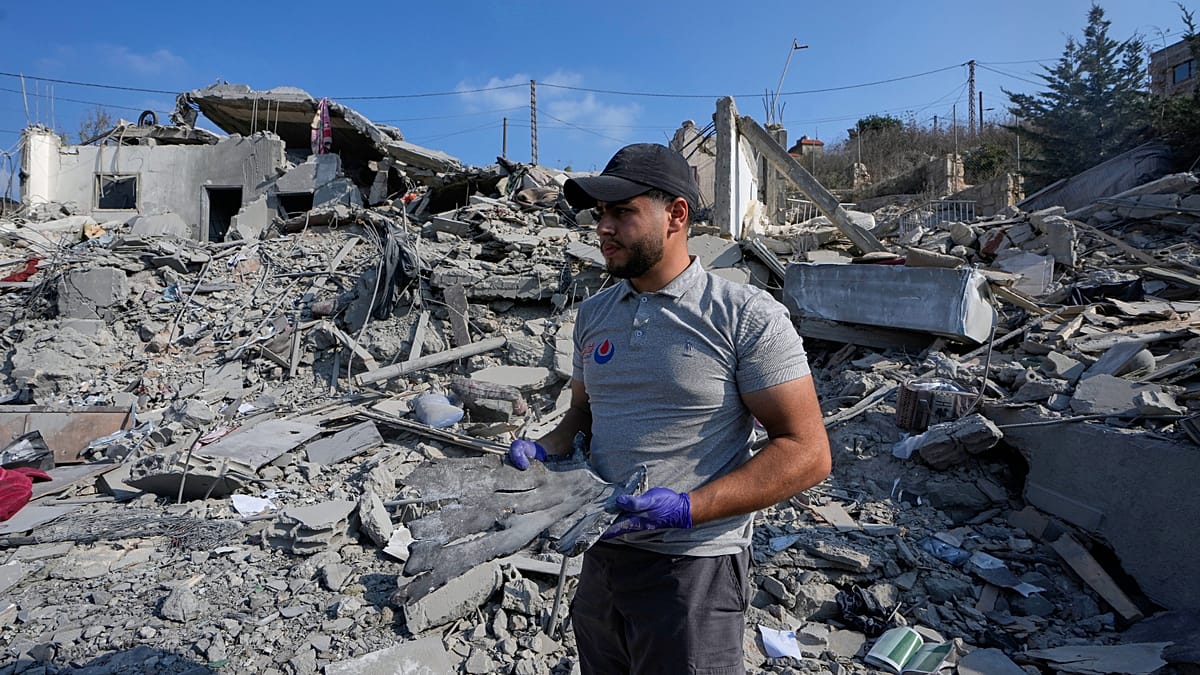
On August 15, 2026, Lebanese President Joseph Aoun condemned renewed Israeli military strikes on southern Lebanon, stating that such actions deliver a “clear message” regarding ongoing peace negotiations between Israel and Lebanon.
Recent Military Strikes and Casualties
According to reports from Lebanese state media, Israeli airstrikes resulted in the tragic loss of at least 11 lives, including three children and two women. These attacks targeted the towns of Ansar and Deir al-Zahrani and marked a significant escalation in violence—the most severe since a US-brokered framework aimed at reducing hostilities was established in June 2026. President Aoun shared that the assaults directly impact the negotiation process and undermine US efforts intended to enforce the agreement. The president’s office further revealed that an entire family from Ansar was killed in these strikes, intensifying the humanitarian crisis in the region.
Hezbollah’s Response and Regional Implications
The Israeli military asserted that these strikes were a retaliation for an earlier attack by Hezbollah, a militant group supported by Iran. Hostilities have escalated since February, particularly after Hezbollah launched rocket attacks against Israel in response to the assassination of former Iranian Supreme Leader Ali Khamenei. This has plunged Lebanon into a renewed cycle of violence involving Israel and its allies, as Israel has since launched multiple strikes and ground operations in a bid to eliminate what it describes as “terror infrastructure” within Lebanese borders.
Hezbollah responded to these Israeli attacks with a stern warning, stating that they would “initiate an appropriate response.” The group maintained that Israel must understand that its aggressive actions will not go uncontested, urging Lebanese authorities to abandon reliance on US-led negotiations and seek their own path to resolution.
US Mediation and the Framework Agreement
The June framework agreement established a roadmap for peace, where Israeli forces would gradually withdraw from Lebanon. However, these withdrawals are contingent upon the disarmament of non-state armed groups and the removal of associated infrastructure. President Aoun has expressed concerns that the current escalation in violence directly contradicts the terms of this agreement, highlighting the challenges that still lie ahead for both countries.
As the situation unfolds, the region finds itself at a critical juncture. The relationship between Israel and Lebanon remains strained, with the potential for further violence looming over the peace negotiations. Both tensions and humanitarian crises in affected areas call for urgent attention from the international community, as the balance of power could shift unexpectedly.
The Importance of Peaceful Negotiations
With significant loss of life and ongoing military actions, the need for constructive dialogue has never been more urgent. The future stability of both Israel and Lebanon hinges on successful negotiations, which require commitment from both sides to uphold the principles laid out in international agreements. Achieving lasting peace will necessitate not just political will, but also a genuine understanding of each side’s concerns and aspirations.
In light of the current hostilities, regional actors, particularly the US, must engage actively to facilitate discussions around conflict resolution. Keeping the channels of communication open remains critical for preventing further violence and moving towards a sustainable peace that respects the sovereignty and dignity of all involved. The recent Israeli strikes serve as a stark reminder of the fragility of peace in the region and the urgent need for a comprehensive approach to conflict resolution.