
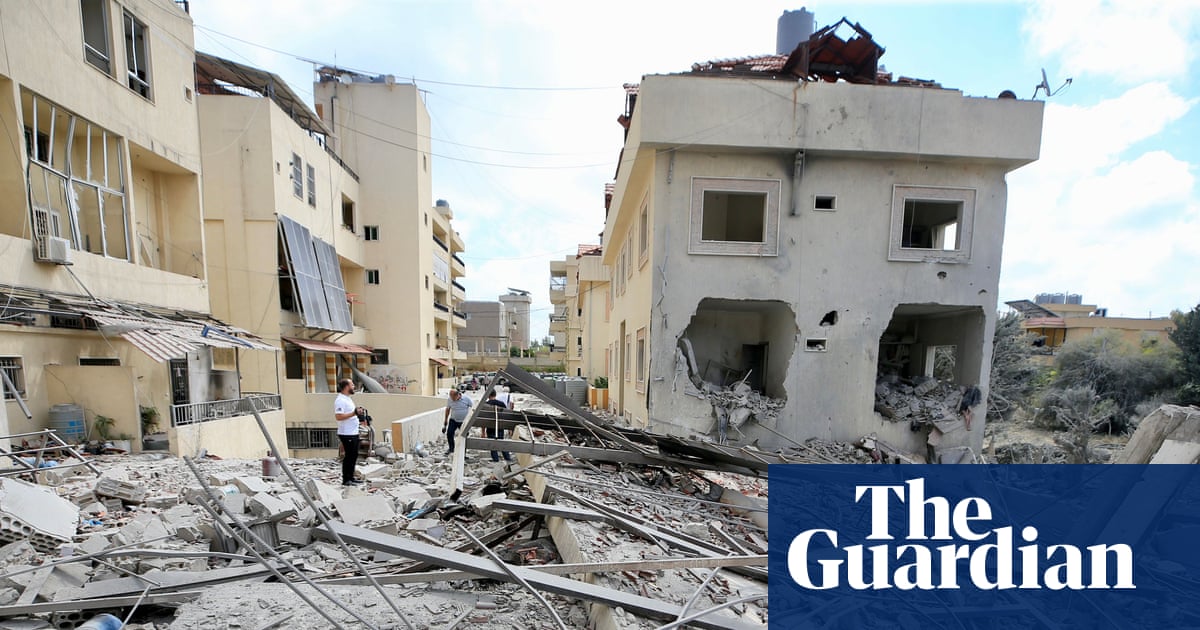
Lebanon’s ongoing conflict has escalated, drawing international attention to the dire situation in the region. As tensions rise, Lebanon’s Prime Minister has called for immediate action to address the violence and suffering affecting the southern part of the nation. This urgent plea coincides with a series of aggressive airstrikes carried out by Israel, which have led to significant civilian displacement and destruction.
Escalation of Hostilities
Recently, Prime Minister Nawaf Salam condemned Israel’s military actions, referring to them as a “scorched-earth policy.” He accused Israel of indiscriminately targeting cities and villages, which has forced countless residents to flee their homes. Salam emphasized that this destructive approach would fail to bring security or stability to Israel, instead only perpetuating a cycle of violence. His remarks highlighted the urgent need for a ceasefire, as he warned of the dangerous escalation occurring at Lebanon’s southern borders.
In a televised address, Prime Minister Salam called for an immediate and genuine ceasefire, outlining the detrimental humanitarian consequences of ongoing military operations. “The situation has reached a critical point,” he stated, urging international intervention to facilitate negotiations between Lebanon and its neighbor. Despite ongoing hostilities, both nations engaged in discussions in Washington, illustrating a collective recognition of the need for dialogue, even amid conflict. However, as Salam noted, the outcome of these talks is uncertain.
Violence Intensifies
Over the weekend, the Israeli military issued new evacuation orders for several villages near the southern city of Nabatieh amidst renewed airstrikes and clashes. Reports from the Lebanese military indicated that Israeli drone strikes had severely injured two soldiers, further heightening tensions. Meanwhile, Hezbollah responded by launching attacks targeting northern Israel, claiming to confront Israeli forces actively. Both parties accuse the other of violating the recently brokered ceasefire, which officially began on April 17 but has been met with skepticism due to ongoing hostilities.
The Israeli military reported significant fire from Lebanon, with more than 25 projectiles launched toward its territory. Alarmingly, air raid sirens echoed in northern Israeli cities, underscoring the increasing volatility of the situation. Footage from public broadcasters showed rockets striking the waters near the Israeli coast, forcing beachgoers to scramble for safety. Israeli Prime Minister Benjamin Netanyahu declared that forces have pushed past the Litani River in pursuit of Hezbollah, marking a critical shift in the military’s operational focus.
The Human Toll
The humanitarian crisis in Lebanon has reached alarming levels, with the Lebanese health ministry reporting over 3,371 fatalities since early March as a result of Israeli attacks. The violence erupted when Hezbollah entered the regional conflict in support of Iran, further complicating an already tumultuous landscape. The organization’s recent actions have been described as retaliation against Israeli strikes that killed Iran’s supreme leader, further entrenching the cycle of retribution between involved parties.
Iran has indicated that any potential agreement to resolve the wider Middle Eastern conflict must include stipulations relevant to Lebanon, highlighting the interconnected nature of the issues at hand. As international communities observe these developments, the need for a stable and lasting resolution becomes more apparent. The urgency to achieve a ceasefire and alleviate the humanitarian crisis continues to be a critical focal point for Lebanon and its allies.