
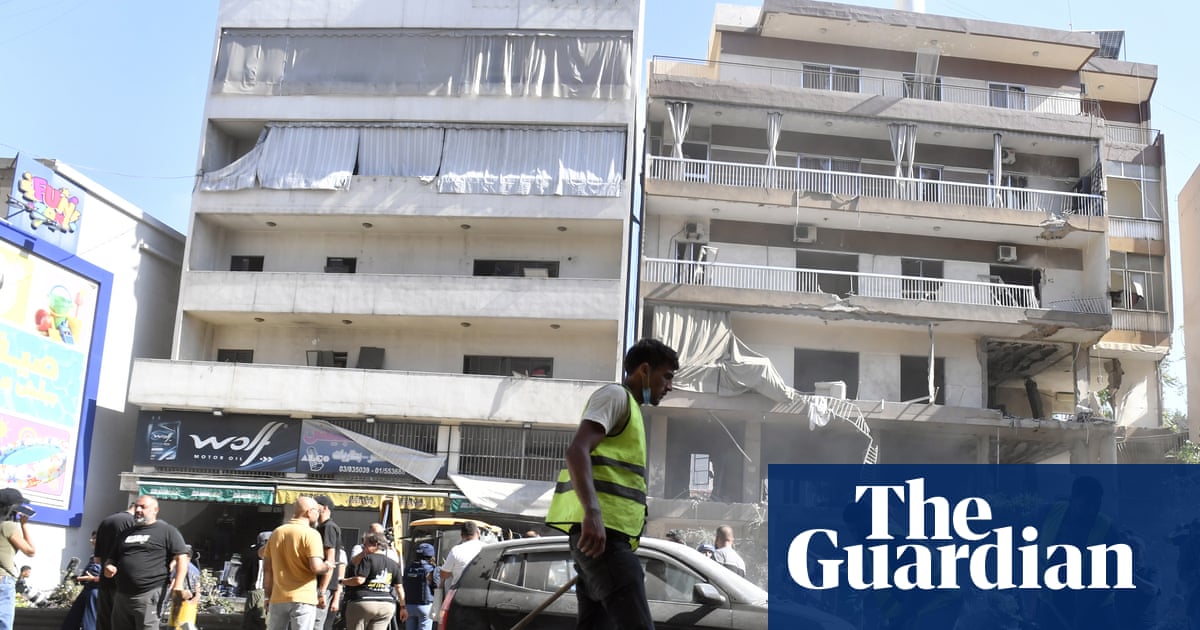
Donald Trump urged for restraint amid escalating tensions in the Middle East, as Israeli airstrikes targeted Beirut. This showdown occurred while peace negotiations between Iran and the U.S. aimed at ending a protracted conflict were still uncertain.
Call for Calm Amid Conflict
Trump emphasized the need for both parties to cease hostilities. He stated on social media that “this could be the beginning of a long and beautiful peace,” urging Israel to refrain from further attacks in Lebanon and cautioning groups like Hezbollah to refrain from retaliatory strikes. His remarks highlight a pivotal moment in ongoing diplomatic efforts to stabilize the region, especially as critical talks were allegedly nearing a resolution.
Impact of Recent Airstrikes
Following a recent wave of Israeli airstrikes, Iranian officials threatened retaliation. These strikes, which resulted in casualties, complicated the already fragile peace process. Trump indicated that these actions pushed back potential agreement timelines by several hours. Despite earlier optimism regarding a peace deal, the resurgence of military actions raised concerns and illustrated the precarious balance of power in the region.
On the other hand, Israeli officials defended their actions by stating they were targeting high-ranking Hezbollah commanders after the militant group launched projectiles into northern Israel. This back-and-forth escalates the urgency for a diplomatic resolution, as violence only serves to deepen entrenched hostilities.
Negotiations on the Horizon
The discussions between Iran and the U.S. could result in a memorandum of understanding that might alleviate some economic pressures on Iran. Reports indicated that a central part of the proposed agreement could reopen the Strait of Hormuz to shipping, a crucial maritime route for global oil and gas supplies. However, despite the potential for limited economic relief, skeptics doubt whether all contentious issues, like Iran’s nuclear program, can be resolved in a 60-day framework, especially given the nuanced complexities of past negotiations.
Despite this emerging framework, Israeli leaders voiced significant concerns regarding the agreement’s implications. The absence of specific terms to restrict Iran’s missile capabilities or its support for regional proxies like Hezbollah has fueled criticism. Many view these negotiations as a missed opportunity to confront threats that could destabilize the region further.
Ongoing Mistrust and Future Challenges
Mistrust remains a significant barrier to peace. Iranian leaders continue to doubt the U.S.’s reliability in restraining Israel, raising questions about Tehran’s willingness to accept any deal that does not fully ensure its security interests. As tensions mount, the path to a stable arrangement appears fraught with complications.
In conclusion, the ongoing situation requires careful navigation. As Trump prepares to address global leaders at the upcoming G7 summit, discussions regarding de-mining the Strait of Hormuz may gain substantial attention. Achieving peace will necessitate a committed effort from all parties to prioritize dialogue over military confrontation, without which any hope for lasting stability in the Middle East may remain elusive.