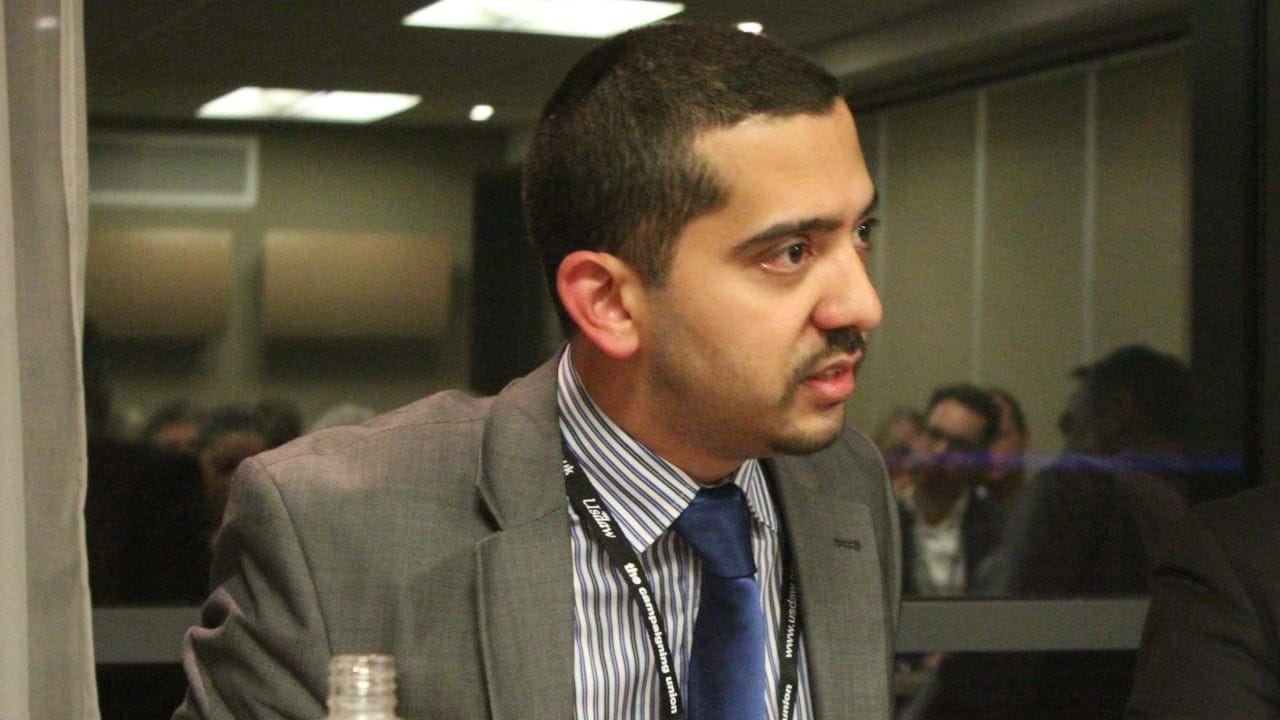
In recent discussions about the ongoing Israel-Hamas conflict, journalist Mehdi Hasan has been vocal in criticizing public figures like Ed Sheeran for their perceived inconsistencies in addressing humanitarian crises. He specifically called Sheeran a “hypocrite” for not publicly denouncing the situation in Gaza while speaking out for Ukraine. This juxtaposition raises crucial questions about how conflicts are perceived and the narratives that dominate public discourse.
The Nature of the Conflicts
The framing of the Ukraine war and the Israel-Hamas conflict is not interchangeable; Ukraine suffers from an unprovoked invasion, while Israel defends itself against terrorism stemming from Gaza. During the October 7 attacks, a significant number of innocents were killed, complicating the landscape further. Hasan’s assertion simplifies a nuanced situation and inadvertently magnifies his own double standards.
Hyprocrisy of Hasan’s Commentary
Hasan’s record is telling. Years before his rise as a cable news commentator, he delivered speeches that drew disturbing comparisons, famously denigrating non-Muslims and linking homosexuality to deviance. Although he later labeled these as “dumb offensive rants” from his youth, critics argue that the sentiment reflected in his early commentary never fully dissipated.
This is not an isolated case. In defending Rep. Ilhan Omar’s controversial tweet about Israel, Hasan claimed that her statement merely reflected a momentary lapse, ignoring the historical context of such rhetoric. The idea that Jews wield covert control over societal perceptions—a notion rooted in long-standing antisemitic tropes—finds acceptance in some of his arguments. This undermines the credibility of his claims to moral advocacy.
Media Responsibility and Accountability
The Israel-Hamas war in 2023 highlighted Hasan’s selective scrutiny. He spread claims linking Israel to an explosion at a hospital in Gaza before facts confirmed that a misfired Palestinian rocket was responsible. Despite the correction, Hasan failed to apologize or clarify his initial statements when it had the potential for maximum impact.
Equally troubling is Hasan’s tendency to celebrate expressions that align with his views without rigorous vetting. For example, he memorialized individuals purported to be journalists killed in Gaza, yet one was later revealed to be affiliated with a militant group, raising questions about his credibility in reporting.
Fixation on Israel
To add another layer to this complexity, Hasan has a history of drawing incendiary parallels between the situation in Gaza and historical genocides, notably claiming the acts against Palestinians are among the worst in history. Such comments drew immediate backlash, and while he later deleted them, he dismissed the outrage as a misunderstanding of his intent. This indicates a troubling pattern of expressing extreme views while quickly distancing himself from the fallout.
In Hasan’s case, it seems there is more to his narrative than just personal belief or ideology; it appears there is a pattern of viewing Israel through an unforgiving lens that seldom applies to other nations. His long tenure working with Al Jazeera, financially backed by countries like Qatar—who supports groups such as Hamas—also raises questions about the potential bias affecting his reporting.
In summary, the criticisms and calls for consistency in addressing humanitarian issues made by Hasan invite scrutiny of his own track record. The expectation for accountability should not end with others but should also extend to oneself, particularly for someone in his position. As the discourse on Israel and global conflicts continues to evolve, the demands for balance and consistency become ever more pressing.