
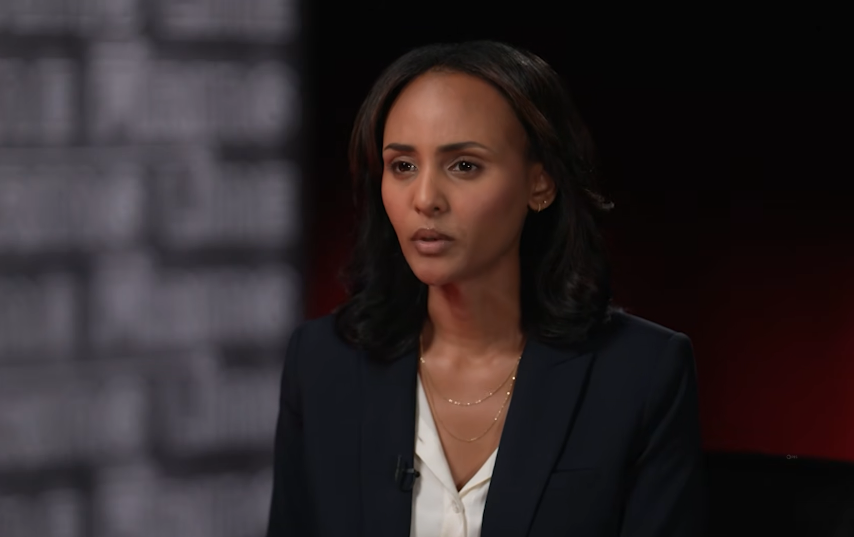
In a significant shift from her previous stance, Melat Kiros, a progressive congressional candidate from Colorado, recently expressed concerns about the current state of public discourse regarding Israel and Palestine. Her comments reflect the complexities within progressive politics, especially when addressing the sensitive issues of antisemitism and support for Palestinian rights.
Kiros’ Concerns About Support for Israel
During her appearance on “Firing Line with Margaret Hoover,” Kiros emphasized the waning support for Israel across various political groups, cautioning that this creates space for far-right figures to misrepresent progressive concerns. She asserted that those who might appear sympathetic to Palestinian safety could, in fact, be masking underlying antisemitic sentiments. Kiros articulated her belief that if progressives don’t articulate a clear vision of democratic values that encompasses both Israeli and Palestinian communities, they risk exacerbating tensions and alienating supporters.
Kiros noted the importance of acknowledging the diverse cultural characters of the land, which she described as embodying Jewish, Christian, and Muslim histories. She expressed that failing to share a progressive vision effectively may lead to misunderstandings and accusations of bigotry or antisemitism.
A Shift in Tones and Reactions
However, these remarks seem at odds with Kiros’ previous statements made during her campaign, where she had been openly critical of Israel’s actions. Notably, she faced backlash for her comments regarding a firebombing incident in Boulder, which some viewed as antisemitic in nature. Kiros’ candidacy has already attracted attention for her vocal stance on various issues, especially after her controversial termination from a law firm for a letter she penned criticizing a petition addressing antisemitism at law schools.
After the PBS interview aired, Kiros quickly recalibrated her message. In response to criticism from various quarters, including a producer from Al Jazeera, Kiros admitted she “fumbled this line, plain and simple.” This admission underscores the difficulty progressives face in navigating the complex terrain of identity politics and foreign policy.
Clarifying Her Position on Antisemitism and Palestinian Rights
Following the backlash, Kiros clarified her priorities, stating that her foreign policy aims to end what she describes as Israel’s occupation and repression in Palestine. She emphasized the necessity to differentiate anti-Zionism from antisemitism to combat genuine hate adequately. Kiros lamented that the Democratic Party’s hesitance to take a firm moral stand on Israel-Palestine issues has allowed elements of the right to exploit the situation for their agendas.
In her extensive follow-up statements, Kiros maintained that the focus of any movement for liberation should center on the oppressed Palestinians. She highlighted that the intertwined issues of Islamophobia and anti-Palestinian sentiment are frequently overlooked, often serving to justify actions that lead to heightened violence against Palestinian communities. This candid acknowledgment of her views portrays her as genuinely committed to a balanced understanding and representation of the intricate dynamics in the region.
In an era where public discourse on sensitive topics is fraught with contention, Kiros’ journey illuminates the challenges many progressive candidates face. Balancing the urgent need for Palestinian advocacy while navigating the sensitive discourse surrounding antisemitism requires precision and understanding. As the political landscape evolves, Kiros’ statements will undoubtedly influence how future conversations regarding this issue are framed.