
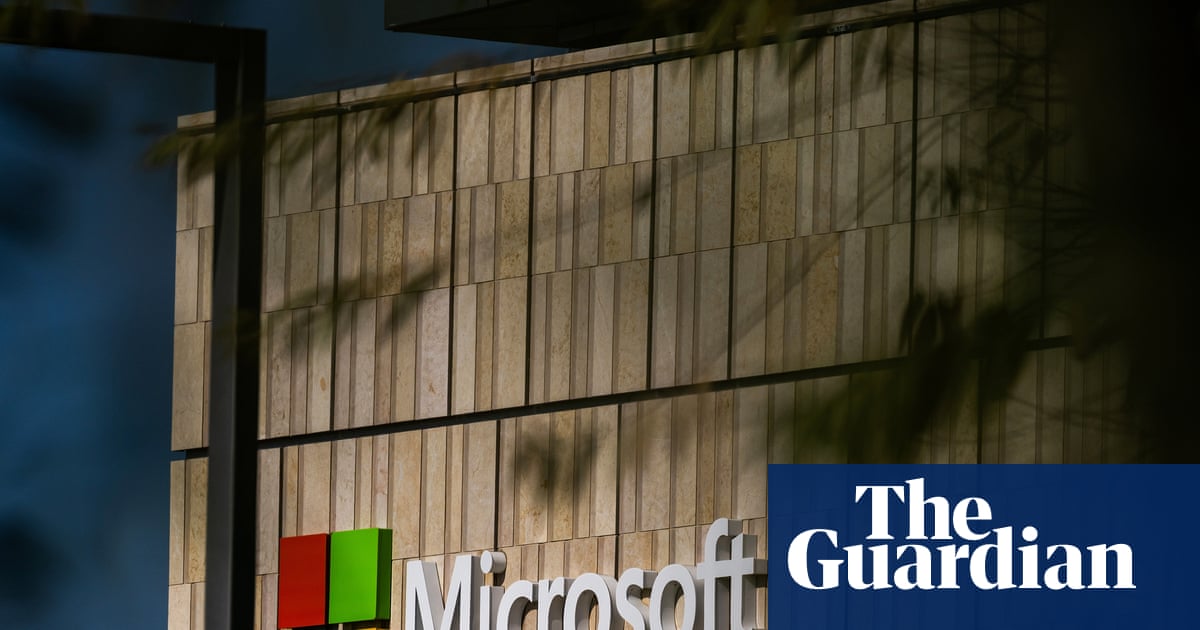
Microsoft has announced plans to enhance its human rights regulations regarding partnerships with national security agencies. This decision follows an investigation prompted by revelations concerning the Israeli military’s use of Microsoft’s cloud technology for extensive surveillance of Palestinians.
Investigation Sparks Changes
The inquiry began last year in response to an exposé by The Guardian, in collaboration with Israeli-Palestinian media outlets like +972 Magazine and Local Call. This investigation uncovered that the Israeli military utilized Microsoft’s Azure cloud platform to amass a large volume of intercepted Palestinian phone calls. The findings raised serious ethical questions about the implications of Microsoft’s technology in military operations and civil rights violations.
In light of the inquiry, Microsoft acted swiftly, revoking the Israeli military’s access to its cloud and AI services shortly after initial findings indicated that Unit 8200, Israel’s cyber intelligence agency, had breached the company’s terms of service. This decisive move underscored the company’s recognition of the potential risks associated with its technology when used in surveillance activities.
Outcomes of the Inquiry
Microsoft’s recent summary of the inquiry confirmed that its “factual findings remain the same,” and outlined a series of recommendations aimed at strengthening its human rights governance framework. This update has been described as a “final update,” intending to conclude a challenging chapter for Microsoft, which had received heightened scrutiny over the role its technology played during military operations in Gaza and the West Bank.
Notably, the investigation revealed that some Microsoft employees in Tel Aviv had conflicting loyalties, torn between their responsibilities to the corporation and their ties to the Israeli military. This tension highlighted the complex dynamics of corporate ethics in regions with ongoing conflict, especially following the October 7 attacks by Hamas.
Corporate Reactions and Changes
Amid the inquiry’s findings, Microsoft has made significant organizational changes. The head of its Israeli operations has left the company, alongside several other managers, amidst a backdrop of ethical concerns and potential violations of the company’s code of conduct. Although these departures were not mentioned in the official summary, they reflect the seriousness of the situation.
As part of its revised strategy, Microsoft plans to implement new measures for assessing “national security-related” business ventures before contracts are finalized. This includes enhancements in managing security clearances for personnel in specific countries and ensuring employees comprehend the implications of these clearances in their roles.
Furthermore, Microsoft intends to conduct regular reviews to ensure customer compliance with its acceptable use policies, especially in light of evolving political contexts. The company also seeks to fortify its human rights due diligence, particularly in areas experiencing conflict or elevated risks.
Reactions from Activists and Stakeholders
Despite Microsoft’s efforts to distance itself from the alleged misuse of its technology, significant backlash has arisen from activists and stakeholders. Protests have erupted at various Microsoft facilities, voicing demands for greater transparency in its dealings with the Israeli military. Groups like “No Azure for Apartheid” have intensified their calls for accountability, particularly in light of the reported role of Microsoft’s technology in facilitating surveillance.
At a recent conference held in San Francisco, demonstrators once again raised their concerns, displaying banners with messages condemning the company’s ties to Israel. This wave of activism clearly illustrates the growing demand for corporate responsibility in global human rights issues, especially concerning the use of technology in conflict situations.
As Microsoft navigates this challenging landscape, its commitments to stronger human rights oversight will be scrutinized closely by advocates and stakeholders concerned about the ethical implications of technology in sensitive military contexts.