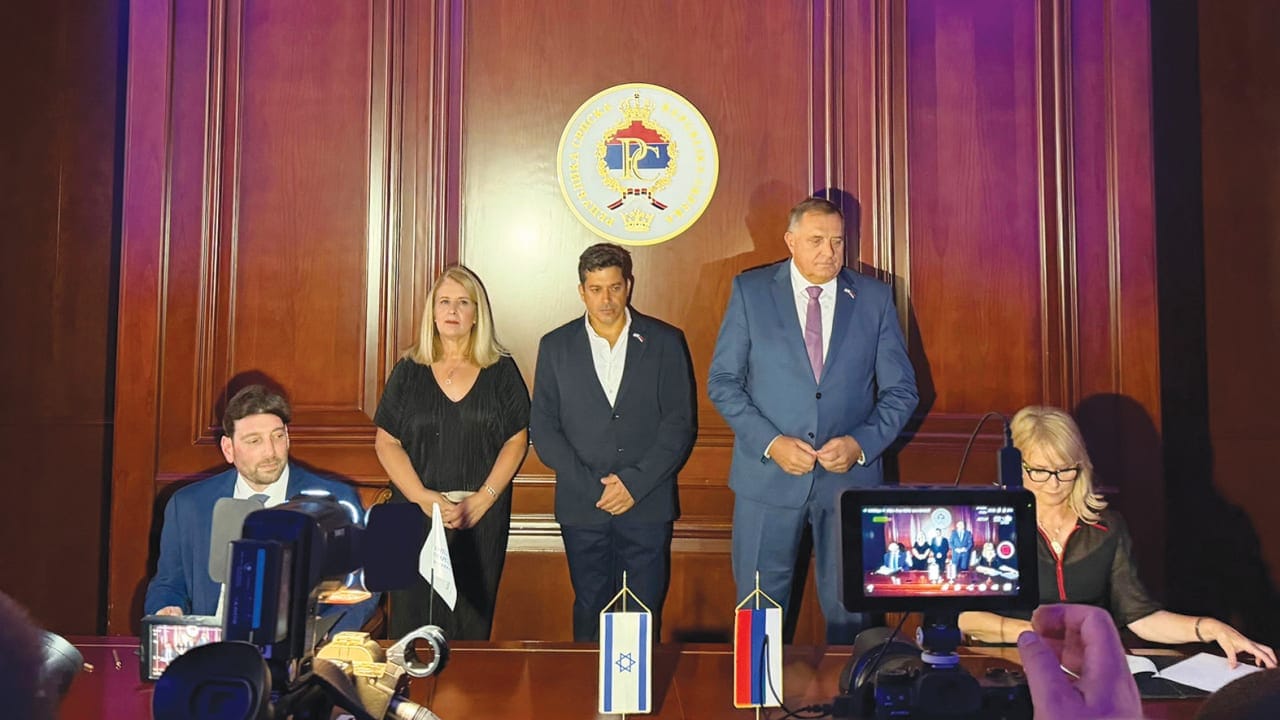
In recent conversations in Banja Luka, Bosnia and Herzegovina, the ambitions of Milorad Dodik, a pivotal figure in Republika Srpska, have become increasingly clear. During an interview, Dodik articulated his aspirations regarding the future trajectory of his region, addressing complex historical grievances and geopolitical considerations.
The Historical Background of Republika Srpska
Dodik has a long history rooted in the intricate geopolitics of the Balkans. His reflections are shaped by decades of political turbulence, including the breakup of Yugoslavia and the intense conflict of the Bosnian War. Before the war, Bosnia and Herzegovina was one of the six republics that comprised Yugoslavia—a federation that managed to interlink diverse ethnic groups under the leadership of Josip Broz Tito. Tito quelled nationalist sentiments for decades, but his death in 1980, followed by the collapse of communism, set the stage for rising national identities. By the early 1990s, tensions escalated, leading to declarations of independence from Slovenia and Croatia that ultimately ignited a destructive war.
During the 1992 referendum for Bosnia’s independence, a significant number of Serbs boycotted, ultimately leading to a protracted and brutal conflict in which over 100,000 lives were lost and millions displaced. The Dayton Peace Agreement of 1995 established peace but left the country divided. It granted Republika Srpska nearly half of Bosnia’s territory, creating a lasting legacy of ethnic divisions.
Republika Srpska’s Current Political Stance
Today, Dodik leads Republika Srpska, which exhibits considerable independence, possessing its parliament and police forces. The region is characterized by a strong Serbian identity, evidenced by the public display of Serbian flags and a widespread belief among its citizens that they belong to Serbia. When asked about a potential referendum on joining Serbia, Dodik openly expressed his hopes: “I dream about it. Absolutely.”
This longing for reunification is supported by many in the region, reflective of a broader sentiment that questions the validity of Bosnia as a unified state. Dodik’s assertions highlight his perception that the current governance structure does not adequately represent the Serbian community’s interests. He argues compellingly that Bosnia and Herzegovina is inherently unworkable, drawing parallels with how the situation would change if Israel were to unify with neighboring countries with different identities and political motives.
Relations with Israel and Shared Historical Experiences
Dodik’s admiration for Israel is multifaceted. The opening of the Israeli Chamber of Commerce in Banja Luka signifies a strengthening political and economic relationship between the two. Dodik believes that Israel understands the plight of the Serbian people, forging a connection grounded in historical experiences of persecution. This perspective has resonated particularly deeply given the shared struggles of both communities against oppression throughout their histories.
The recent commemoration of the October 7 massacre in Israel found echoes within Republika Srpska, where Dodik expressed solidarity with those suffering. He drew parallels between Israel’s fight for survival and Republika Srpska’s quest for legitimate statehood.
The Controversial Legacy of Ratko Mladic
Dodik’s narrative is intertwined with the legacy of figures like General Ratko Mladic, whose recent death in The Hague incited a complex and divided sentiment in Banja Luka. While international courts have classified Mladic as a perpetrator of genocide, many in Republika Srpska remember him as a defender of their community. The societal memory regarding Mladic illustrates a significant dichotomy: while international perspectives condemn the violence committed during the Bosnian War, local sentiments often romanticize the narratives of defense and resilience.
This situation reflects the multifaceted historical trauma and the ongoing challenges of reconciliation that dominate Bosnia’s political landscape. Despite achieving a fragile peace, deep-seated grievances and conflicting narratives continue to hinder genuine unity and understanding among the nation’s different ethnic groups.
As Dodik and his administration aim for increased ties with nations like Israel, the fundamental question remains: What future do the people of Republika Srpska envision for themselves? For many, their aspirations extend beyond autonomy within Bosnia, reflecting a desire for a closer connection to Serbia.