
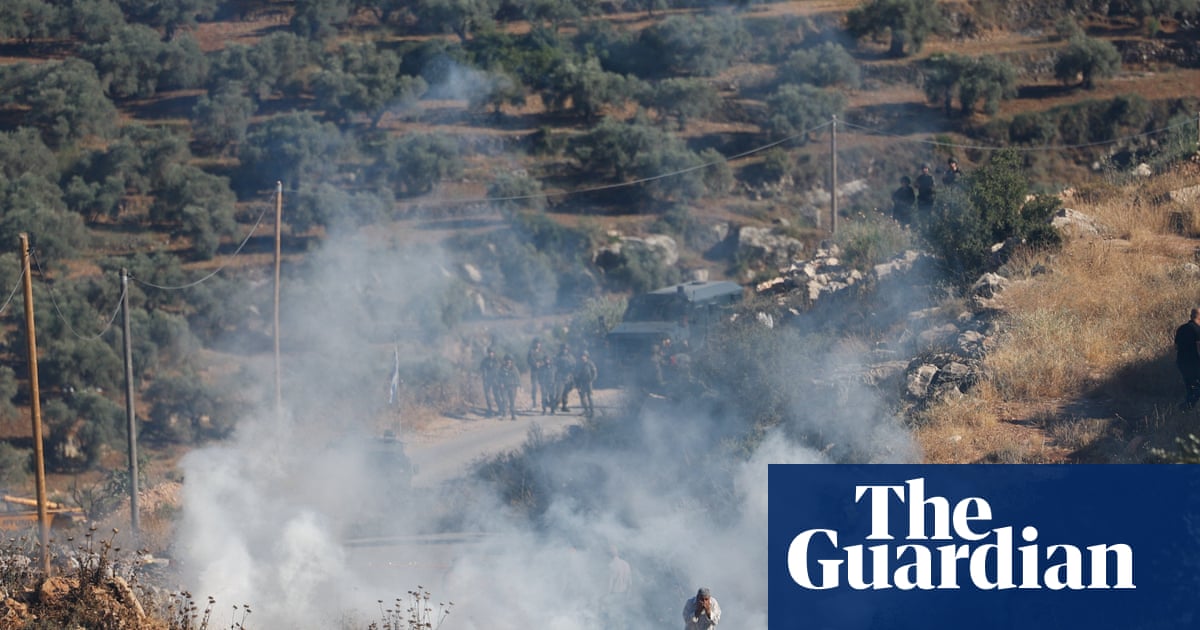
More than 100 UK officials are urging the cancellation of an Israeli real estate event scheduled for Sunday in London. This event allegedly promotes the sale of land in Israeli settlements within the occupied West Bank, raising significant concerns for many politicians and advocacy groups.
Parliamentary Concerns Over Israeli Real Estate Event
In a recent letter directed to the UK Foreign Secretary, 101 MPs and members of the House of Lords expressed grave misgivings about the event. They argue that it is “firmly embedded in Israel’s project of colonial expansion,” pointing to the sale of land purportedly taken from Palestinians. The parliamentarians called on the government to take “all necessary steps” to halt the event, emphasizing that allowing it to proceed would contradict existing UK government guidelines regarding settlement-related economic activities. Such actions are also seen as contrary to international legal obligations.
Signatories of the letter included notable Labour MPs, such as Andy McDonald and Debbie Abrahams, both co-chairs of the British-Palestine all-party parliamentary group. Their concerns echo those previously raised in Parliament and have garnered attention from other key figures, including London Mayor Sadiq Khan, who has engaged with the Metropolitan Police regarding the matter.
The Broader Context of Settlement Legality
On Tuesday, the UK government, alongside other Western nations, announced sanctions against six companies and an individual involved in financing and facilitating increasing settler violence in the West Bank. However, these sanctions did not extend to a ban on trade with illegal Israeli settlements, a step that over 140 Labour MPs had urged the government to take earlier this week.
Groups such as Amnesty International UK, the Palestine Solidarity Campaign, and the Muslim Association of Britain have also voiced their opposition against the event, emphasizing its implications for the Palestinian territories. The London exhibition is positioned as a concluding stop in a series of international showcases suggesting the sale of land in occupied areas, inviting attendees to discover “the best Anglo neighborhoods” for their “dream home.”
Civil Society Response to the Real Estate Expo
The event has drawn criticism for allegedly normalizing the existence of illegal settlements by advertising them alongside properties in other Israeli cities. Civil society organizations are calling for the UK government to take a firm stance against trade and investment that facilitates the “unlawful occupation.”
Kristyan Benedict from Amnesty International stated that, considering the rapid annexation measures being pursued by Israel’s current government, it is unconceivable for the UK to host an event promoting activities that foster settlement expansion. “This isn’t a property fair. It’s apartheid and annexation with a sales pitch,” he asserted.
The Palestine Solidarity Campaign is actively encouraging the public to sign a petition directed at the Home Secretary, Shabana Mahmood, demanding action against those who would enable the sale of “stolen Palestinian land.” Furthermore, the Palestinian Youth Movement has united over 100 civil society organizations, including notable groups, in urging the government to cancel the upcoming event.
Government’s Position on Illegal Settlements
In response to these dynamics, a government spokesperson reiterated that Israeli settlements violate international law and detriment any potential for a two-state resolution. They indicated that the Israeli government must work to curtail settler violence and halt settlement development.
The UK has previously implemented sanctions against various organizations supporting illegal Israeli settlements and has condemned the actions of certain Israeli ministers linked to inciting violence against Palestinians during their settlement advocacy campaigns. Moving forward, the government has promised to provide clearer guidance for UK businesses on avoiding involvement in illegal settlements. This evolving situation highlights the complexities of international law and governance concerning settlement practices in contested regions.