
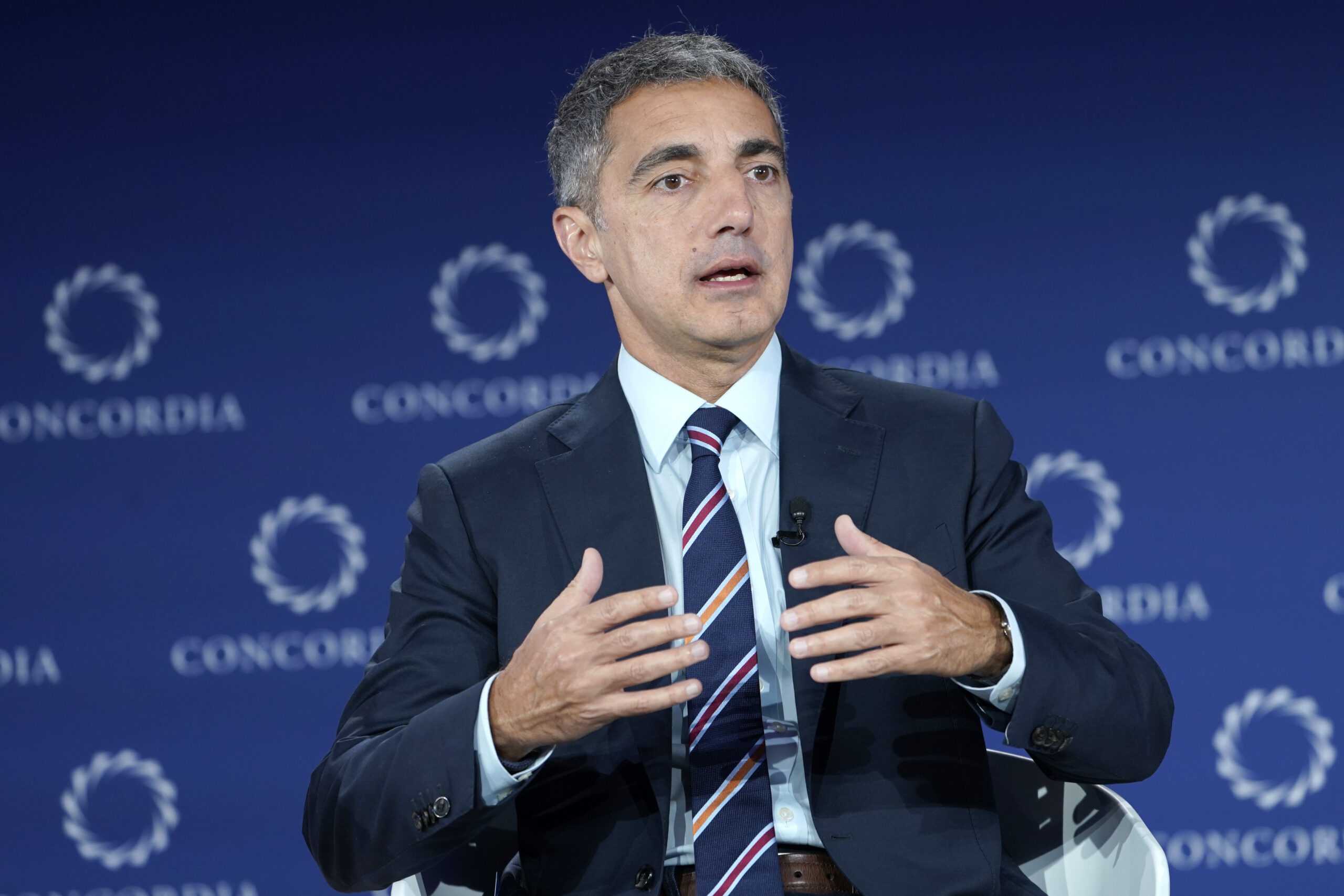
Hussain Abdul-Hussain, a prominent writer and researcher, recently discussed his book, The Arab Case for Israel, during a launch event in Manhattan. He emphasized the necessity for Arabs to reassess their longstanding beliefs about Israel, advocating for a shift towards understanding and cooperation. His own transformation from an anti-Israel stance to an advocacy for the Jewish state serves as a foundation for his message, particularly relevant as tensions in the region persist.
Reexamining Historical Narratives
During the event, Abdul-Hussain highlighted the need for Lebanese citizens to challenge the prevailing narratives that have historically framed Israel as an adversary. He noted that many in Lebanon remain divided between those who subscribe to the Iranian viewpoint—believing Israel only responds to force—and those who seek autonomy and peace for their nation. He stressed that the sacrifices the Lebanese people have endured, particularly since the 1960s, have led to a cautious mindset where many hesitate to express their views or aspirations for sovereignty.
Abdul-Hussain articulated, “Lebanese citizens have been manipulated by larger powers for too long. This constant betrayal has made them wary.” He encouraged his audience to support a narrative that favors independence and national dignity, rather than perpetuating cycles of conflict and resentment.
The Journey of Transformation
Abdul-Hussain’s personal journey from a background steeped in hostility towards Israel to a stance of advocacy is notable. As a Shia Muslim raised in Iraq and Lebanon, he was subjected to teachings that fostered animosity toward the Jewish state. However, after years of scrutiny and exploration, he found that many of the beliefs he held were based on misinformation. He recounted his experiences as a journalist during Israel’s withdrawal from Southern Lebanon in 2000, which sparked his curiosity about the realities on the other side of the border.
His insights were further deepened by learning Hebrew, which allowed him to discover information that contradicted the negative portrayals of Jews he had grown up with. “What I learned was starkly different from what I was taught,” he explained, highlighting that misconceptions about Jews are a significant barrier to peace.
A Message of Hope for Future Generations
Abdul-Hussain argues that understanding the truth about Israel could pave the way for brighter futures for Arab youth. He insists that even those who feel wronged by Israel would benefit from moving forward rather than dwelling on past grievances. “Sharing my story is crucial for others in Lebanon, Syria, and Morocco,” he asserted. He believes that breaking away from the cycle of hatred is essential for the well-being of future generations.
As he navigates the complexities of advocating for peace, Abdul-Hussain also stressed the urgency of supporting political leaders in Lebanon who are standing against Hezbollah’s oppressive agenda. He urged Americans to back Lebanese President Joseph Aoun, even as critics challenge his actions. “Talking the talk is an important first step,” he stated, encouraging external support for leaders striving for peace and stability.
In conclusion, Abdul-Hussain called for international action to protect religious minorities in the Middle East, emphasizing the importance of support from the U.S. to prevent their decline. He pointed out that the preservation of diverse communities benefits not just the region, but the world as a whole. He concluded by asserting that while challenges remain, there is a path forward—a message rooted in understanding, dialogue, and acceptance of Israel as a vital part of the region’s future.