
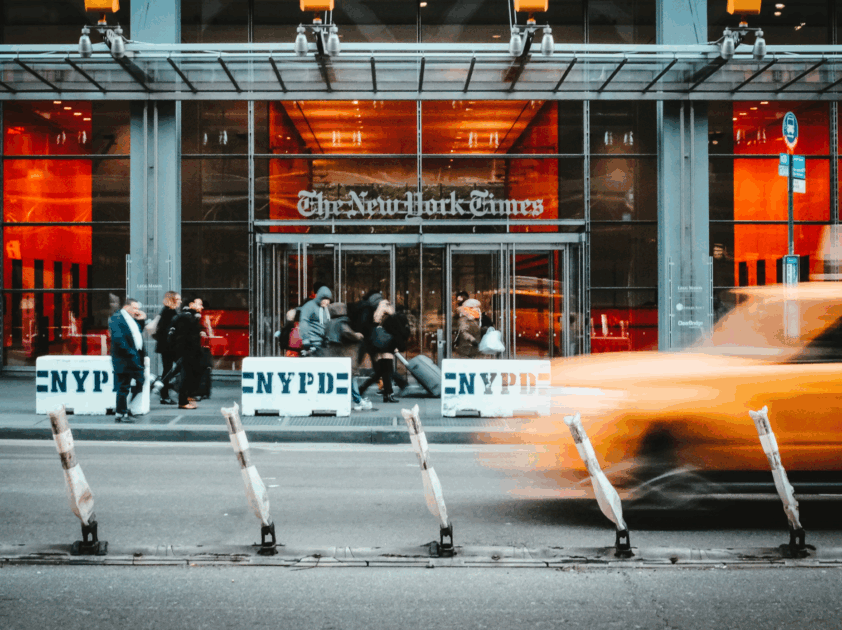
The portrayal of the Israeli-Palestinian conflict in mainstream media often raises questions regarding bias and credibility. A recent instance highlighting this issue is found in the New York Times’ handling of sexual violence allegations. This article examines the controversy surrounding Nicholas Kristof’s op-ed on the systematic sexual violence against Palestinians, and how the publication subsequently attempted to counter his revelations.
The Context of Kristof’s Revelations
Nicholas Kristof’s op-ed titled “The Silence That Meets the Rape of Palestinians,” published on May 11, brought significant attention to the ongoing atrocities faced by Palestinian individuals at the hands of Israeli security forces. He provided harrowing accounts from victims, supported by years of documentation from various human rights organizations like B’Tselem. This report highlighted a disturbing pattern of sexual violence and torture, a reality that many Palestinians endure but that has received insufficient media coverage until recently. The depth of Kristof’s piece struck a nerve, not only challenging mainstream narratives but also causing outrage among pro-Israel groups.
B’Tselem released findings depicting Israel’s detention facilities as “networks of torture,” where reports of sexual violence against men, women, and children are alarmingly frequent. Comprehensive reports, including one by Euro-Med Human Rights Monitor, described the horror as a form of “systematic destruction of the body and identity.” Kristof’s acknowledgment of these crimes in a widely read platform like the New York Times forced the issue into the public realm, highlighting a grave human rights crisis.
The Response from Mainstream Media
In an effort to counter Kristof’s revelations, the New York Times published a follow-up article by Isabel Kershner, which alleged that Hamas had engaged in widespread sexual violence during its attacks on October 7. This piece seemed to serve as an attempt to balance Kristof’s findings, yet it relied on contentious and discredited sources. Critics quickly dismissed the report as a weak public relations strategy aimed at deflecting scrutiny from Israel’s actions.
Journalism scholars and media analysts swiftly condemned this tactic, as it appeared to undermine Kristof’s substantial evidence with unverified and possibly misleading claims. The timing of Kershner’s article has been questioned, particularly since it conveniently followed a moment of heightened awareness about Israeli human rights abuses. Such attempts at “balance” in journalism often obfuscate the truth rather than illuminate it, leaving the audience confused and misinformed.
Criticism of Kershner’s Approach
Kershner has a history of providing favorable coverage to the Israeli government, and her latest article raised concerns regarding journalistic integrity. It was revealed that she had deep ties to the Israeli military establishment, further complicating her credibility. Questions emerged regarding whether her reporting effectively served the interests of impartial journalism or simply echoed government narratives that defend Israel’s actions.
Independent analyses also highlighted the dubious nature of the claims made in Kershner’s article. The investigative scrutiny that followed uncovered problems with the sourcing and methodology of the allegations against Hamas. Critics pointed out a troubling trend where major Western media outlets seem to deflect attention from Israel’s military actions by surfacing unverified claims against Palestinians.
Navigating a Compromised Media Landscape
In this increasingly convoluted media landscape, discerning truth from propaganda is more crucial than ever. The situation encapsulates the challenges faced by both journalists and audiences when discussing sensitive geopolitical issues. It underscores an alarming pattern—whenever the spotlight intensifies on Israeli abuses, substantial claims against Hamas resurface as a possible justification for Israel’s actions.
The New York Times’ decision to juxtapose Kristof’s crucial revelations with Kershner’s unverified claims represents a failure to uphold journalistic standards. Responsible reporting should prioritize evidence-based narratives, particularly in conflicts marked by significant human rights violations. The media’s responsibility is to provide the public with transparent and accurate portrayals rather than succumb to pressures that distort the truth.
In conclusion, as calls for accountability grow, it becomes imperative for major media outlets like the New York Times to self-reflect and improve their practices. Journalistic integrity should remain at the forefront, ensuring that the voices of marginalized communities are not drowned out by politically motivated narratives. Only by providing a platform for genuine, evidence-based discussions can the media play its crucial role in informing the public and ultimately contributing to justice.