
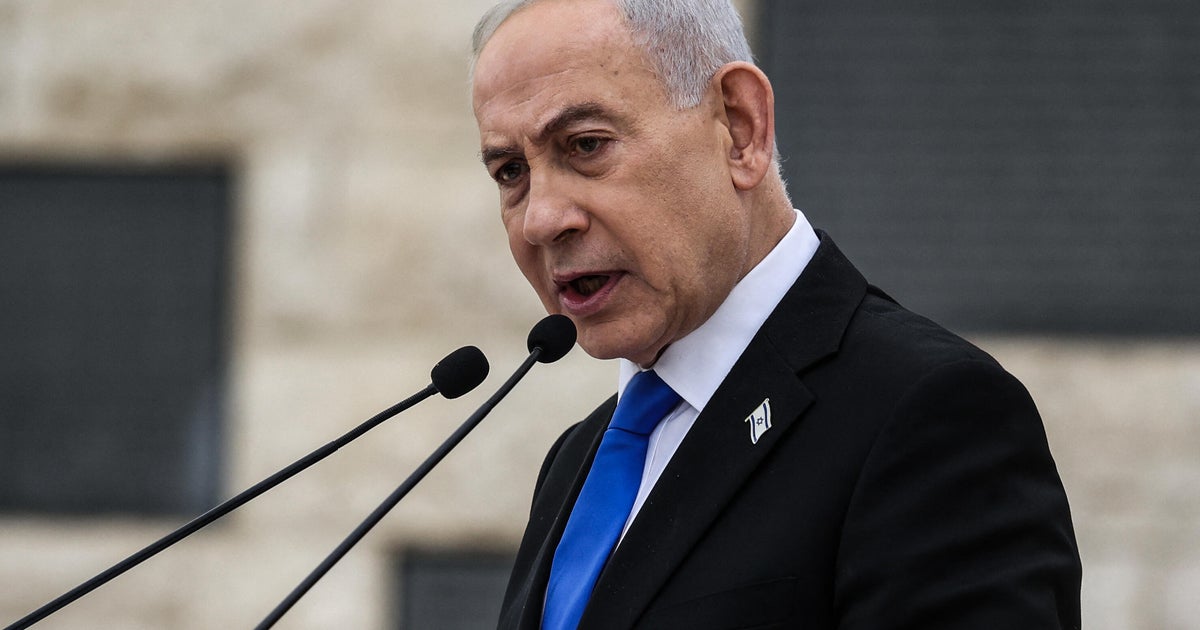
Israeli Prime Minister Benjamin Netanyahu recently criticized his national security minister, Itamar Ben-Gvir, after a series of videos surfaced depicting Ben-Gvir’s treatment of pro-Palestinian flotilla activists. The footage, which Ben-Gvir himself shared, shows him taunting detained activists as they are held by Israeli security forces. This incident has sparked outrage and calls for accountability both domestically and internationally.
Controversial Treatment of Activists
In one of the clips, Ben-Gvir can be seen mockingly addressing activists who had been apprehended during the Sumud Global Flotilla, while police and military personnel oversee. The minister, brandishing a large Israeli flag, gloats, “Welcome to Israel, we are the landlords,” as the detainees, some of whom are handcuffed, are forced to kneel with their hands behind their backs. This alarming display of insensitivity further escalated tensions surrounding the flotilla’s mission, which aimed to highlight the dire humanitarian situation in Gaza.
Ben-Gvir’s actions drew criticism from prominent figures, including Netanyahu, who endorsed the Israeli efforts to intercept the flotilla. However, he denounced Ben-Gvir’s behavior as inconsistent with the values of Israel, stating, “The way that Minister Ben-Gvir dealt with the flotilla activists is not in line with Israel’s values and norms.” This rebuke is particularly noteworthy as it illustrates a divide within the Israeli government regarding how to handle the ongoing conflicts and international criticisms.
International Outcry
The fallout from the videos has garnered international attention, leading to formal complaints from countries like Italy and France. Italian Prime Minister Georgia Meloni condemned Ben-Gvir’s remarks as “unacceptable,” signaling that diplomatic relations could be strained as a result of his actions. Similarly, France’s Foreign Minister stated that their ambassador to Israel was summoned for discussions regarding the treatment of the activists, emphasizing the need for respect and quick release.
Legal advocacy organizations also voiced their concerns, with the Adalah group accusing Israeli authorities of engaging in systematic abuse against activists. They argue that such behavior is part of a broader pattern that has long faced little to no accountability. The group is providing legal support to those detained and has urged the international community to intervene to protect the rights of the activists involved.
Response from the Israeli Government
Following the uproar, Ben-Gvir defended his actions on social media, suggesting that Israel’s stance against what he calls “terrorism” necessitates a strong response. He asserted that any outside forces attempting to disrupt Israeli sovereignty will face significant consequences. Despite this, even some members of the Israeli government, including Foreign Minister Gideon Saar, expressed discontent, criticizing Ben-Gvir for harming Israel’s global standing.
Meanwhile, Israeli forces engaged with the flotilla claimed that they did not use live rounds during the interception. They described the tactics employed as non-lethal, aiming to prevent the vessels from proceeding rather than directly targeting activists. This discrepancy illustrates the ongoing narrative battle between the Israeli government and flotilla organizers, who accuse Israel of intentionally suppressing humanitarian efforts under the pretense of national security.
The incident highlights the increasing polarization within Israeli politics and the country’s ongoing struggle to manage its international image amid critical humanitarian issues. As the situation evolves, the implications for Israel’s diplomatic relationships and internal unity remain uncertain. The world will be watching closely as both sides navigate the delicate balance between security and human rights, especially in a region marked by ongoing conflict.