
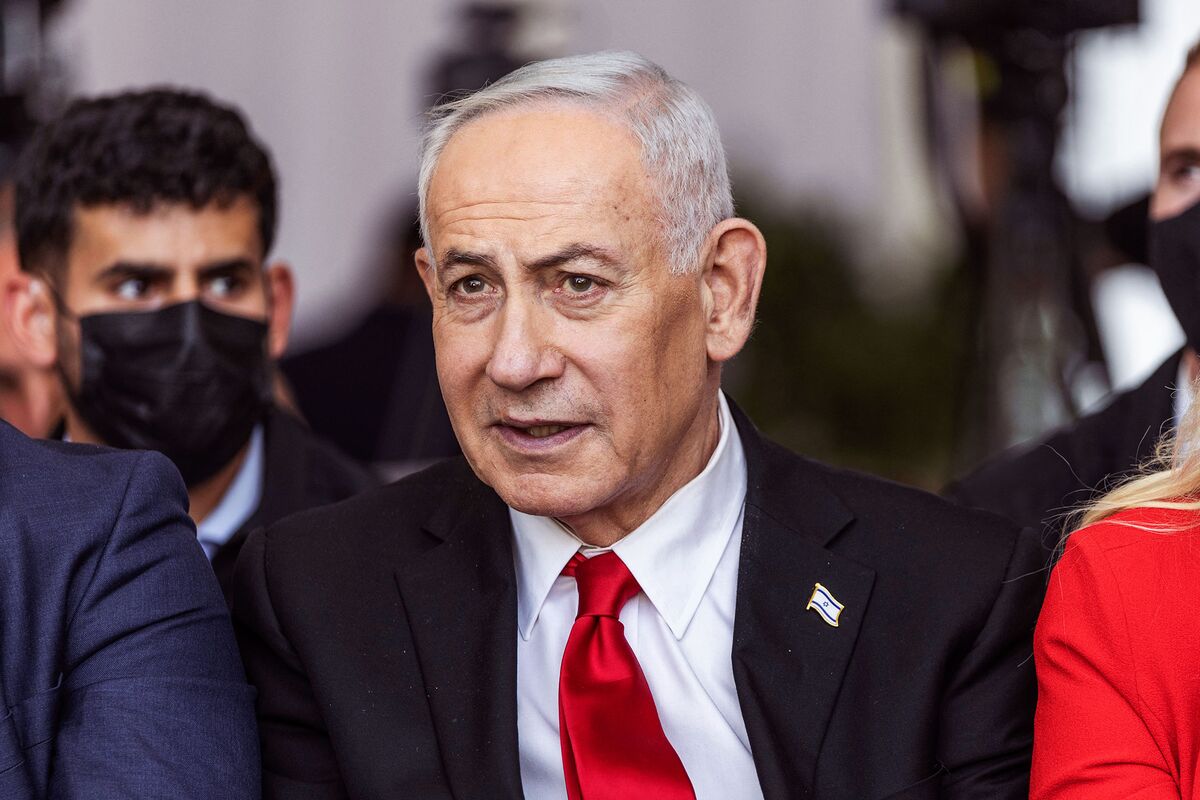
Israeli Prime Minister Benjamin Netanyahu’s administration is currently advancing legislation designed to consolidate his right-wing, religious political faction in anticipation of the closely contested elections scheduled for October. This focus on firming up support within his coalition reflects the government’s strategic approach to navigate a challenging electoral landscape.
Strengthening Political Alliances
In the lead-up to the elections, Netanyahu is prioritizing the reinforcement of alliances within his rightist-religious coalition. These new laws are not merely administrative adjustments; they signify a deliberate effort to cater to the demands and expectations of his political allies. By emphasizing policies that resonate with the values and interests of his base, Netanyahu aims to rally support that could be crucial for his party’s success in the forthcoming elections.
Impact on Electoral Dynamics
The introduction of these laws may significantly influence the dynamics of the upcoming electoral contest. As the government’s agenda shifts to reflect a more hardline stance, it creates a polarized environment that could mobilize both support and opposition among the electorate. Netanyahu’s administration seeks to reinforce its position by addressing issues that are pertinent to the religious sector, thereby consolidating his support base. The effectiveness of this strategy will undoubtedly be put to the test as voters respond to the government’s efforts.
Challenges and Opposition
Despite the advantages that come with a robust right-wing coalition, Netanyahu faces considerable challenges. The opposition is keenly aware of the potential consequences these laws may have on society, tapping into public sentiment to galvanize resistance. Critics argue that the current legislative efforts could lead to heightened divisions within Israeli society and question the government’s commitment to democratic principles. As the election date draws near, the opposition’s campaign could potentially gain momentum by leveraging these concerns.
Looking Ahead to October
The upcoming October elections present a significant moment for Netanyahu’s political future. As he focuses on strengthening his rightist-religious bloc through these newly proposed laws, the real test will lie in voter reception. Observers are closely monitoring how these actions will play out in terms of public opinion and electoral turnout. Should Netanyahu succeed in solidifying his coalition, it could pave the way for a more ideologically driven government, profoundly impacting Israel’s domestic and foreign policy landscape.
In summary, as Israel approaches its critical elections, Prime Minister Netanyahu’s government is implementing laws aimed at bolstering his coalition’s strength. By responding to the needs of his political allies, Netanyahu is strategically positioning himself to secure a substantial foothold in the forthcoming elections, setting the stage for a challenging, yet pivotal, political landscape.