
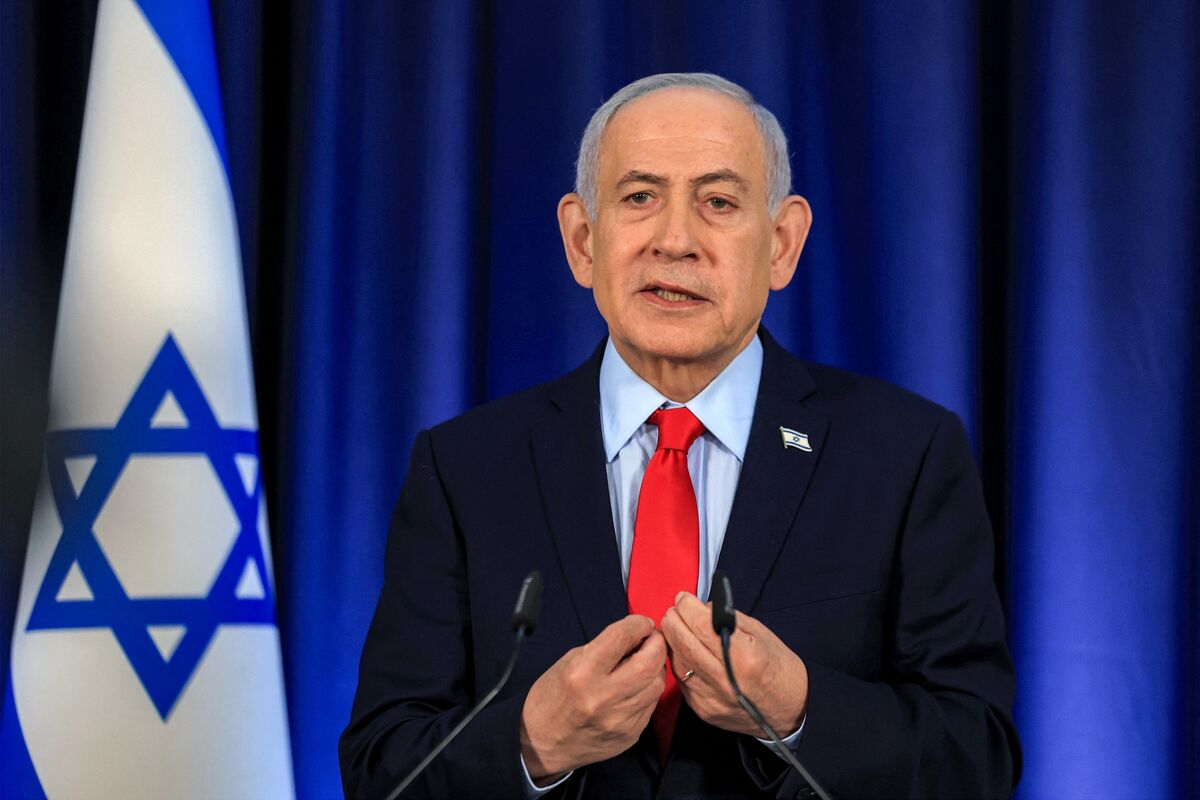
Benjamin Netanyahu’s political strategy heavily relies on his strong alliance with Donald Trump. However, this once advantageous partnership has turned into a burden, particularly following Trump’s recent agreement with Iran, which raises concerns among many in Israel.
The Political Landscape in Israel
In recent years, Israeli politics has been heavily influenced by international relationships, particularly with the United States. Netanyahu has positioned himself as a close ally of Trump, leveraging this relationship to bolster his support at home. The alignment with Trump has allowed Netanyahu to claim a robust defense strategy against regional threats, particularly regarding Iran. However, this connection has also tethered him to decisions made in Washington that are not always favorable to Israeli interests.
One of the main points of contention is the emerging nuclear deal with Iran. Many Israelis view this agreement as a significant threat to their national security. Trump’s initiative, seen as a pivot towards diplomacy with a nation that Israel consistently marks as a primary adversary, puts Netanyahu in a precarious position. His dependence on Trump’s political capital has made it difficult for him to criticize the deal without jeopardizing his own standing within the political realm.
Domestic Repercussions
The negative reception of the Iran deal has triggered a wave of dissent among Israeli citizens. Many are concerned that Netanyahu’s close ties to Trump diminish Israel’s autonomy in foreign policy matters. As public sentiment turns against the Iran agreement, Netanyahu faces increased pressure from opposition parties and activists who argue that he has prioritized his personal relationship with Trump over Israel’s security.
Moreover, the domestic political landscape is evolving, and Netanyahu’s rivals are quick to seize on any perceived missteps. The opposition points to the precarious nature of his alliance with Trump as an illustrative example of weak leadership. As criticisms mount, Netanyahu’s strategy of unwavering loyalty to the U.S. president may prove more divisive than beneficial, risking the stability of his administration.
Future Implications for Israeli Politics
The shifting dynamics surrounding Trump’s approach to Iran could have long-lasting implications for Netanyahu’s political future. If the Iran deal continues to be a point of contention, Netanyahu may find himself at a crossroads. His strategy of aligning closely with the U.S. has not only affected his approval ratings but has also raised questions about his ability to navigate complex geopolitical landscapes effectively.
With elections looming, the evolving narrative surrounding his alliance with Trump could serve as a litmus test for voters. Should public opinion continue to sour on the Iran agreement, Netanyahu might have to reconsider his political alliances and tactics. Facing a possible backlash, he may need to pivot towards adopting a more independent foreign policy stance, one that reflects the concerns and aspirations of the Israeli populace more than it does the preferences of the American administration.
In conclusion, while Netanyahu’s close relationship with Donald Trump has historically been a cornerstone of his political strategy, recent developments regarding the Iran deal have revealed significant vulnerabilities. The political landscape in Israel is dynamic and ever-changing, and how Netanyahu chooses to navigate these challenges will be critical for his future and that of his administration.