
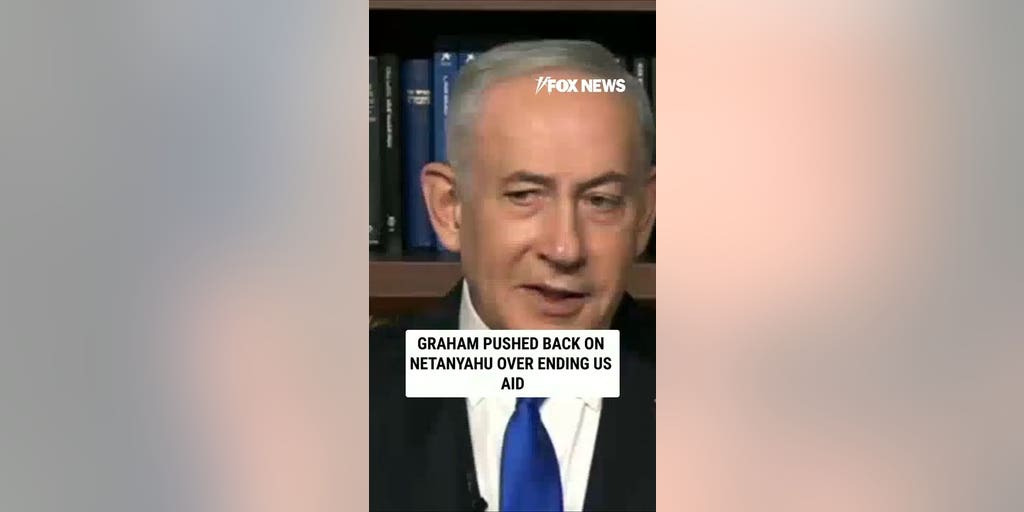
Israeli Prime Minister Benjamin Netanyahu recently shared a significant moment involving U.S. Senator Lindsey Graham, highlighting the senator’s unwavering support for Israel’s military aid. Despite Netanyahu’s inclination to scale back assistance, Graham ardently argued for increased funding, emphasizing the critical link between Israel’s security and the safety of the United States.
The Importance of U.S. Military Aid to Israel
Military aid from the U.S. to Israel is not merely a matter of financial support; it embodies a robust alliance that reinforces regional stability. For decades, this assistance has allowed Israel to maintain its defense capabilities in a complex and often hostile environment. The relationship is crucial not only for Israel but also serves as a bulwark for American interests in the Middle East.
Graham’s impassioned advocacy for increased military aid reflects a broader consensus among some U.S. legislators who view Israel as a vital ally. The senator’s argument underscores that bolstering Israel’s military capacity is directly connected to safeguarding American interests abroad. Historically, a secure Israel has contributed to a balance of power in the region, thus minimizing the likelihood of conflicts that could draw in U.S. forces.
Netanyahu’s Perspective on Military Support
Netanyahu’s willingness to consider a reduction in military aid reveals a layered understanding of Israel’s defense needs and its financial commitments. While he acknowledges the historical importance of U.S. support, he also sees the necessity for Israel to adapt to evolving security challenges. This dual perspective complicates the conversation about how much aid should be provided and in what forms.
However, by sharing this particular exchange with Lindsey Graham, Netanyahu illuminates the internal discussions within Israel regarding military funding. His readiness to cut back contrasts sharply with Graham’s push for expansion, showcasing the diverse viewpoints on Israeli defense policy. This dialogue is essential for understanding both Israeli decision-making processes and the American legislative landscape.
Graham’s Vision of U.S.-Israel Relations
Lindsey Graham has consistently positioned himself as a staunch ally of Israel, advocating for policies that strengthen ties between the two nations. He believes that the security of Israel and the United States are inextricably linked, a sentiment echoed by many in the American political landscape. By arguing for increased military aid, Graham articulates a vision in which a secure Israel contributes to global stability, particularly in addressing challenges posed by hostile nations in the region.
His fervor for Israeli support also reflects a moral perspective on international alliances—the idea that supporting a democratic nation in a tumultuous area is not just a strategic move but a moral imperative. This advocacy resonates with constituents concerned about both national security and humanitarian issues, creating a multifaceted rationale for military support.
The Future of U.S.-Israel Military Aid
As the geopolitical landscape continues to shift, the future of U.S. military aid to Israel remains a pivotal topic of discussion. With rising tensions in the Middle East, American lawmakers face pressure to reassess their spending priorities, yet support for Israel often remains strong due to longstanding alliances and mutual interests. Netanyahu’s insights into Graham’s advocacy reveal that even within the Israeli leadership, perspectives on military aid can vary significantly.
In conclusion, the relationship between the U.S. and Israel is characterized by deep-seated connections that encompass strategic, military, and moral dimensions. As discussions on military aid evolve, understanding the varied viewpoints will prove essential for maintaining this crucial alliance.