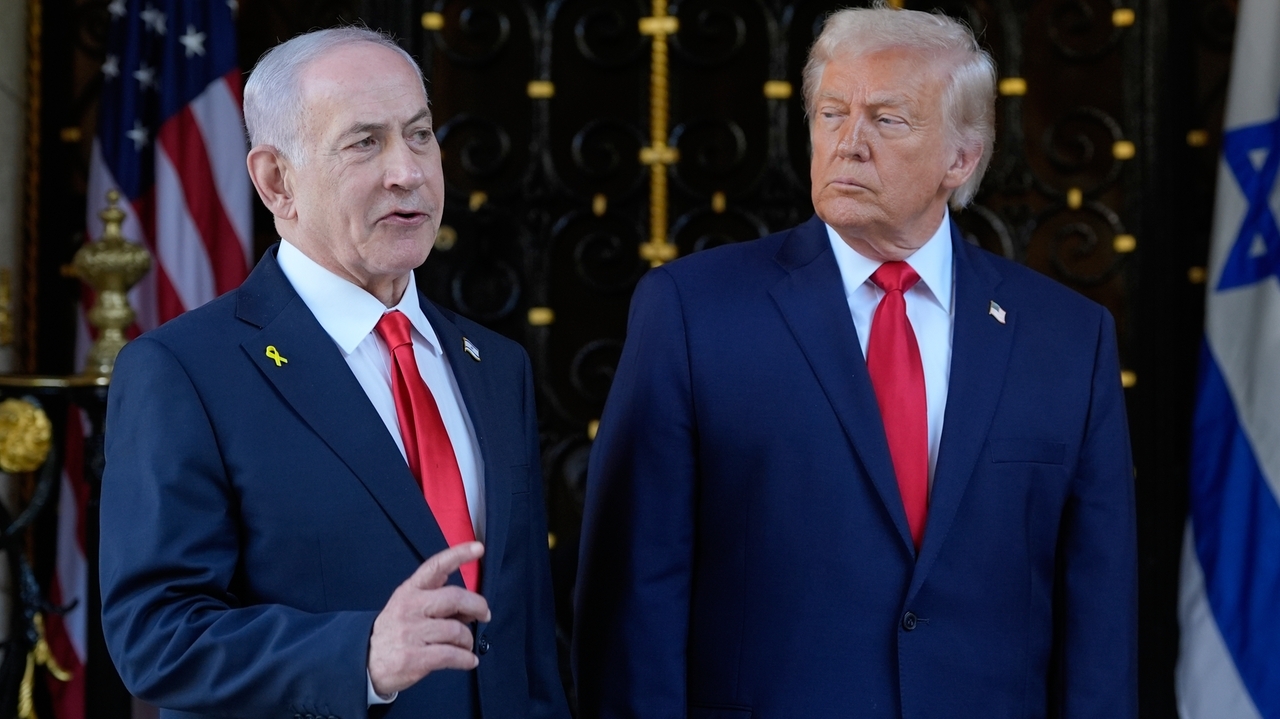
It’s perhaps the most critical role of any Israeli prime minister: to nurture strong ties with the United States while resisting pressure that might compromise Israel’s security. Prime Minister Benjamin Netanyahu, who has held office longer than any other leader in Israel’s history, finds himself in a challenging position, particularly as upcoming elections draw near and tensions with Hamas continue.
Netanyahu’s Stance on Gaza’s Ceasefire
Recently, Netanyahu firmly dismissed a new peace initiative proposed by former U.S. President Donald Trump, aimed at reviving the faltering ceasefire in Gaza. He stated that Israel will not retreat from any of the 60% of Gaza it currently controls until Hamas has fully disarmed. This disarmament is something Hamas, which holds the remaining 40% of the territory, has flatly opposed. The dilemma for Netanyahu is acute; he risks alienating Trump, whom he regards as one of Israel’s greatest allies, while appearing to compromise with Hamas could jeopardize his chances for reelection in a nation still reeling from the traumatic October 7 attacks.
Challenges in U.S.-Israel Relations
Trump, under pressure to deliver on his promise of global peace, is navigating a complicated political landscape with his congressional elections on the horizon. As negotiations with Iran stall and gas prices remain high, he is eager for progress in Middle Eastern peace efforts. The recent ceasefire plan stemmed from a previous agreement that paused extensive military operations in Gaza, which had resulted in significant hostilities and the release of hostages. However, Netanyahu’s outright rejection of the plan has put further progress on hold, complicating both regional stability and Trump’s peace agenda.
Political Landscape Ahead of Elections
As the Israeli elections approach, Netanyahu is highlighting military victories while grappling with the harsh criticism stemming from the initial October 7 attacks. Many voters hold him accountable for the security lapses that allowed this assault to occur, despite past successes in military operations. His far-right coalition partners largely support his rejection of Trump’s proposal, but their stance on national security could make or break Netanyahu’s campaign. Observers believe that Trump’s desire to enhance the humanitarian situation in Gaza conflicts with the hardline positions of Netanyahu’s allies, creating further friction between the two leaders.
Trump’s Changing Reputation in Israel
During his initial term, Trump enjoyed substantial popularity in Israel, especially after moving the U.S. Embassy to Jerusalem and supporting aggressive military actions in Gaza and against Iran. However, Trump’s pivot to de-escalating conflicts in the region has caused a rift in his relationship with Netanyahu. While Trump has expressed a likelihood of endorsing Netanyahu ahead of the elections, the lack of a solid endorsement raises questions about how voters will perceive this changing dynamic. Polls indicate a growing unease among Israelis about Trump’s motivations, suggesting that the previously strong alliance may have waned.
Risks of Netanyahu’s Strategy
Historically, Netanyahu has often defied U.S. presidential policies, particularly those set forth by Democrats. His past confrontations with Bill Clinton and Barack Obama over the Israeli-Palestinian conflict have established a pattern of resistance to external pressure. However, as Israel’s military maneuvers leave it increasingly diplomatically isolated, Netanyahu’s reliance on Trump has reached unprecedented levels. The looming elections exacerbate these risks, as voters likely will hold Netanyahu accountable for managing this vital relationship poorly.
In summary, Netanyahu’s intricate balancing act between maintaining U.S. relations and ensuring national security is more precarious than ever. As he heads into a tough election season, the implications of his decisions regarding Gaza and Hamas will undoubtedly shape not just his political future but also the broader landscape of Israeli security and international relations.