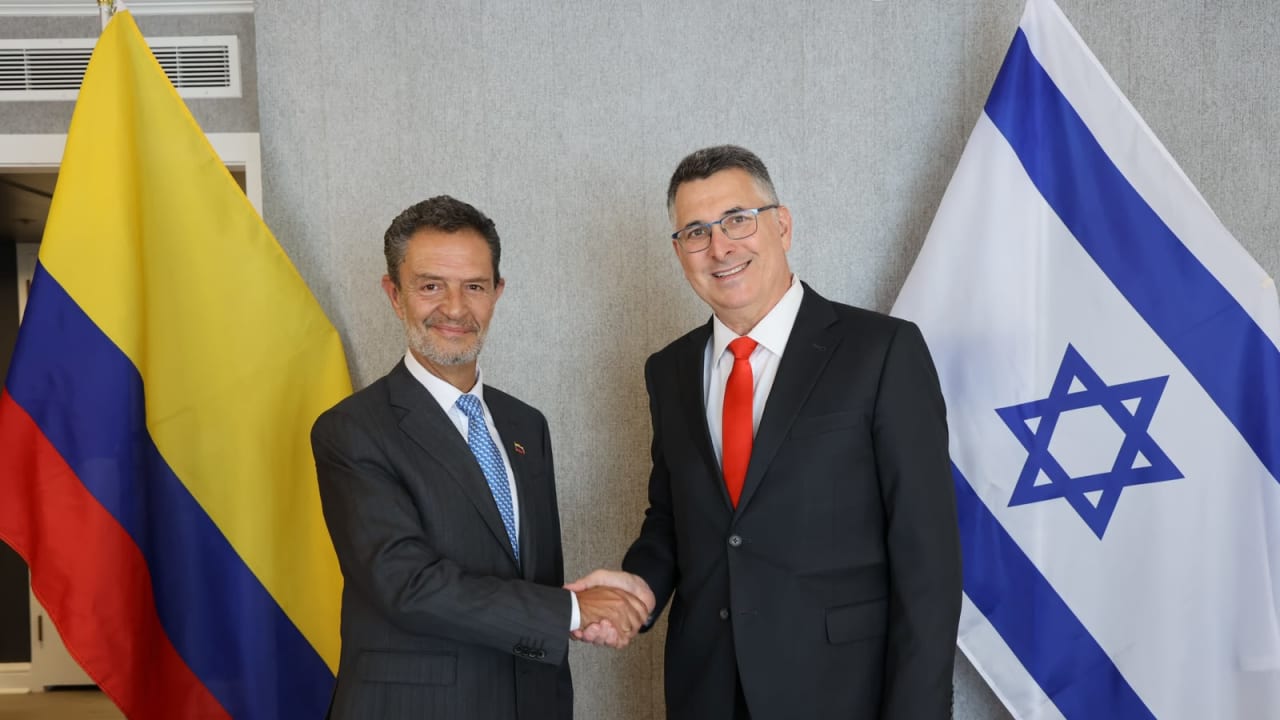
Colombia and Slovenia may seem worlds apart, yet their recent political shifts regarding Israel reveal striking parallels. While Colombia ranks as the second-largest Spanish-speaking country globally, Slovenia, a small nation that once formed part of Yugoslavia, is in a unique position to make influential changes on the world stage.
Shifting Political Landscapes
Both nations recently witnessed leftist governments being replaced by right-wing leadership. In Colombia, this transition marks a significant pivot as the newly elected President Abelardo de la Espriella has pledged to reinvigorate diplomatic ties with Israel. Within weeks of taking office, he announced plans to establish an embassy in Jerusalem, echoing similar commitments made by Slovenia. This rapid change emphasizes a broader trend of shifting political ideologies across Latin America and Europe.
Slovenian Policies on Israel
In Slovenia, the political climate shifted dramatically following the victory of Janez Jansa and his coalition of right-wing parties. This new government sought to overturn previous policies adopted by the prior administration, which had sided more closely with Palestine. The Slovenian parliament’s decision to recognize a Palestinian state just before their elections now feels like a distant memory. Jansa’s administration is not only considering the relocation of the Slovenian embassy to Jerusalem but has also taken steps to distance itself from its previous stance, which limited imports from Israeli settlements.
Impact on Bilateral Relations
The changes in both countries have multi-faceted implications for their diplomatic relationships. For Slovenia, the prospect of moving its embassy is not merely a matter of international relations; it signals a desire to redefine its role and align more closely with Israel’s democratic values while distancing itself from pro-Palestinian sentiments. Similarly, Colombia’s efforts to re-establish ties can be seen as an alignment with right-wing populism and a rejection of prior leftist ideologies.
Notably, stakeholder reactions from Jewish communities in both countries have been varied. In Slovenia, Jewish leaders express cautious optimism but emphasize the need for concrete actions to accompany these changing policies. A similar sentiment prevails in Colombia, where the small Jewish population is hopeful concerning the future of their bilateral relations with Israel.
Historical Context and Future Outlook
The historical connections between these two nations and Israel also play a crucial role in these evolving relations. Israel was quick to recognize Slovenia’s independence following the breakup of Yugoslavia, laying the groundwork for a partnership that may see new light under Jansa’s government. Meanwhile, Colombia’s upcoming embassy inauguration marks a crucial milestone in strengthening its alliances in the region and beyond.
In summary, as Colombia and Slovenia navigate their redefined roles in the international landscape, their actions could set new precedents for other countries. As voters increasingly lean towards right-wing politics, whether ideologically or in search of change, the global political narrative regarding Israel and Palestine will magnify. These shifts are not merely political but deeply intertwined with cultural and historical legacies that will shape future international relations.