
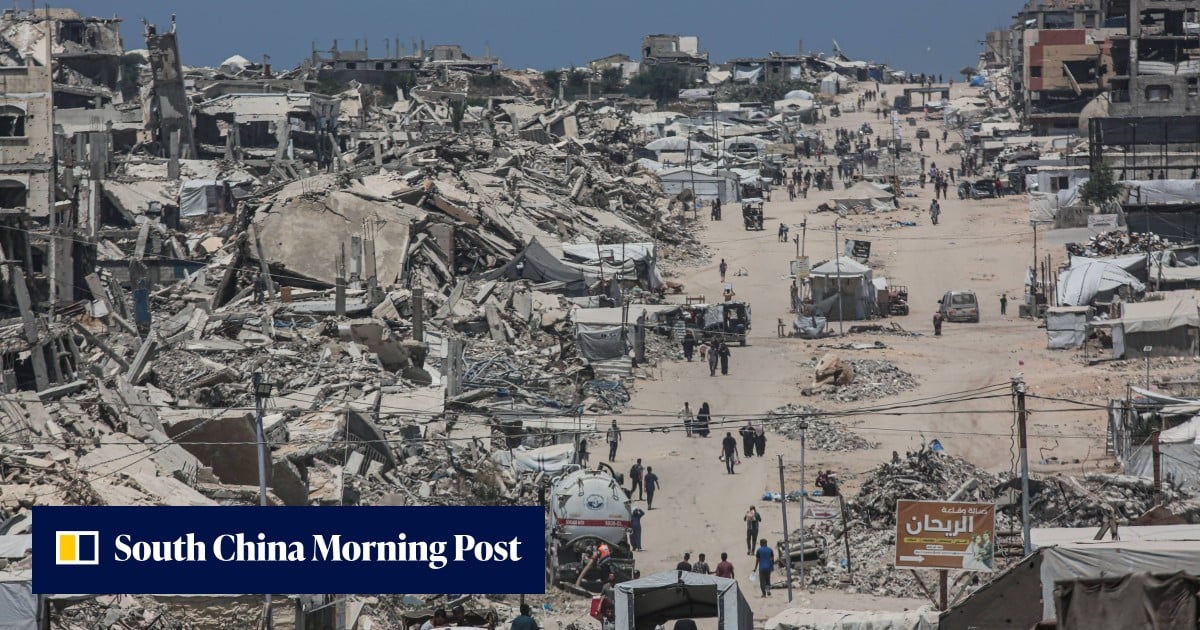
On Wednesday, Israel conducted its first airstrike in Gaza in over a week, signaling a break in the relative calm as the U.S. continued to push for a peace initiative. This action has raised concerns about the ongoing conflict between Israel and Hamas, highlighting the fragile situation in the region.
Israeli Military’s Justification for the Strike
The Israeli Defense Forces (IDF) revealed that the airstrike targeted a Hamas commander who allegedly had intentions to plan attacks on Israeli forces present in the conflict-ridden area. Officials stated that the military aimed to preemptively eliminate a threat to their soldiers. In their communication, the IDF emphasized attempts to minimize harm to civilians during the operation.
Civilian Casualties and Local Response
In stark contrast to the military’s narrative, Gaza’s civil defense agency, which operates under Hamas, reported that the airstrike in Beit Lahia primarily affected civilians. The agency claimed that the strike hit a tuk-tuk, resulting in significant casualties. Among the victims was Mohanad Saada, whose body was reported to be severely mutilated due to the explosion. Additionally, five other individuals sustained injuries, according to information from both the civil defense and al-Shifa Hospital.
Eyewitness accounts have further cast doubt on the IDF’s justification, with reports indicating that Saada was part of a group of workers tasked with repairing a wall that had been damaged from previous Israeli shelling. This narrative raises pressing questions about the impact of military actions on non-combatants and the ethical considerations involved in such strikes.
Broader Implications of the Strike
This airstrike not only revives fears of escalating violence in Gaza but also complicates ongoing international efforts aimed at peacemaking in the region. As diplomatic entities work diligently to establish a sustainable peace agreement, military actions like these can undermine trust and inflame tensions between both sides. The growing humanitarian crisis in Gaza exacerbated by such incidents presents significant challenges, not only for local populations but also for international mediators.
As the situation evolves, stakeholders on both sides must take into account the wider consequences of their actions, particularly in regard to civilian safety and the prospects for lasting peace. The urgent need for dialogue, reconciliation, and accountability has never been more critical.
In summary, Israel’s recent airstrike in Gaza has reignited tensions in a region already teetering on the brink of conflict. As both sides navigate this complex landscape, the consequences of military actions and the importance of prioritizing civilian safety must remain at the forefront of discussions. The pursuit of peace will demand concerted efforts to address grievances and to foster a climate of mutual respect and understanding.