
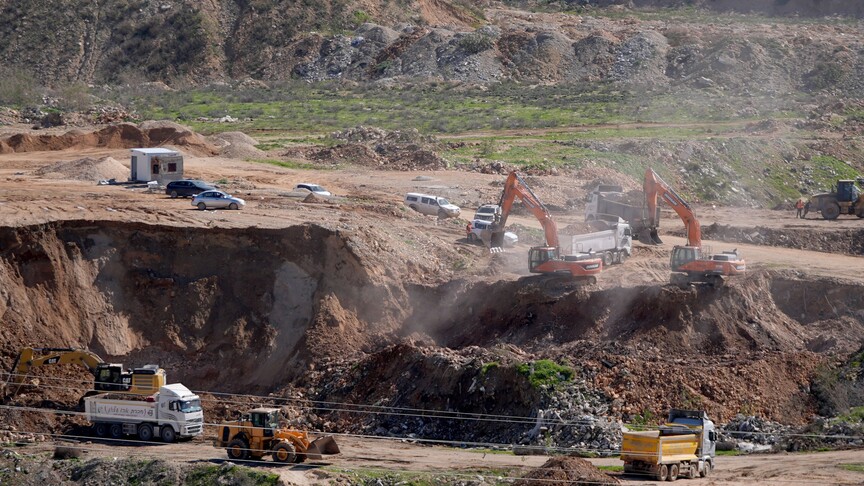
Israeli authorities have outlined plans to construct an additional 2,300 housing units in the Gilo settlement, a move that continues to spark debate over land use in East Jerusalem. This construction, occurring on land designated as Palestinian, aligns with ongoing patterns criticized by non-profit organizations working in Jerusalem.
Impact on East Jerusalem and Bethlehem
The proposed housing units are anticipated to exacerbate the divide between East Jerusalem and Bethlehem in the occupied West Bank, according to the Ir Amim organization. This initiative is seen as a significant effort toward further isolating Palestinian territories, raising concerns about the long-term implications for the region. The construction is reportedly set to occur on land that was confiscated under Israel’s Absentees’ Property Law, a controversial legal framework that facilitates land appropriation when formal ownership documents cannot be demonstrated.
Confiscation of Palestinian Land
Ir Amim highlights that at least 28 dunams (approximately 6.9 acres) of this land were taken from Palestinian owners prior to being designated as “state land”. Moreover, numerous additional dunams within the proposed building area lack clear ownership classification, which may lead to further land seizures. Current land laws allow Israeli authorities to classify unregistered Palestinian lands as state property, effectively enabling their allocation for settlement expansion, thereby compounding Palestinians’ rights to their ancestral land.
Historical Context of Land Ownership
The complexities surrounding land ownership in this region stem largely from historical circumstances. Many Palestinian families possess land passed down through generations without formal title deeds. This situation has been exacerbated by the suspension of land settlement procedures that previously existed under various administrations, including Ottoman and British rule, following the 1967 Israeli occupation of the West Bank. The legal mechanisms that permit land registration in the state’s name often reflect broader power dynamics that minimize Palestinian claims.
Consequences for Palestinian Communities
Experts like Hassan Breijieh, who oversees the International Law Department at the Colonization and Wall Resistance Commission, characterize these developments as a clear instance of land expropriation intended to facilitate the transfer of Palestinian land to Israeli settlers. This situation represents a continuing threat to vast areas of land in the West Bank that remain unregistered, posing significant risks to Palestinian communities and their historical claims.
The recent escalation in settlement construction has been evident, with the Israeli Finance Minister Bezalel Smotrich announcing plans to fast-track the establishment of new settlements while reinforcing existing ones. This policy direction has drawn widespread condemnation, both within the Palestinian community and internationally. The United Nations and numerous governments view Israeli settlements in occupied territories as violations of international law, undermining efforts towards a viable two-state solution.
The Peace Now movement estimates that around 500,000 settlers currently reside in the West Bank, in addition to roughly 250,000 in settlements across East Jerusalem. The overarching sentiment among Palestinians is that such projects are indicative of a larger Israeli strategy that seeks to expand settlements, appropriate land, and alter the demographic landscape to gain geopolitical advantage.