
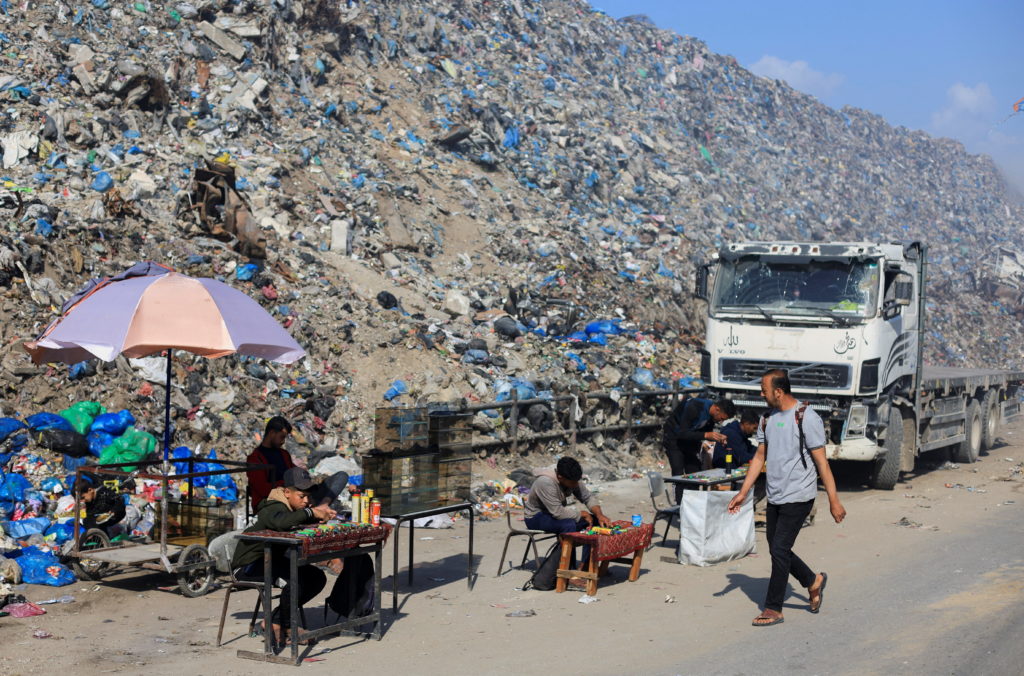
The ongoing conflict in Gaza has led to a thriving yet hazardous smuggling trade, as Palestinians struggle with an acute shortage of basic goods. An investigation by the Associated Press reveals the complexities of this illicit market, where the need for daily necessities drives residents to high prices and dangerous exchanges. From groceries to medical supplies, the dire situation in Gaza showcases the desperate measures taken to circumvent Israeli restrictions and survive.
The High Cost of Survival
Palestinians in Gaza are facing skyrocketing prices for essential items, a challenge exacerbated by the Israeli blockade. From food and batteries to medical supplies, the cost of items has surged. Many local hospitals are resorting to smugglers to obtain vital medicines and equipment. Cigarettes have become particularly lucrative for smugglers since their ban from Gaza started with the current Israel-Hamas conflict in October 2023, highlighting how even non-essential items have taken precedence in this black market. The Israeli government classifies many imported goods as “dual use,” claiming that items like concrete and vehicle parts could be repurposed for military activities, complicating the already difficult logistics of legal imports.
The Mechanics of Smuggling
The investigation indicates a robust smuggling network that has persisted for years, supporting the livelihoods of many Gazans. Interviews with traders and officials reveal that a significant portion of income now derives from smuggling operations, where profits often go to both Palestinian and Israeli intermediaries. One trader expressed that the occupation leaves little room for alternatives: “Smuggling has become routine.” Many involved find themselves in a morally complex situation where all parties — from military personnel to local merchants — benefit financially. The ongoing demand for smuggled goods pushes prices up further, creating additional burdens for the 2 million residents of Gaza.
Government Involvement in the Smuggling Trade
Notably, the Hamas-led government has also been implicated in this underground economy, reportedly demanding a percentage from smuggled goods. Merchants referred to this as “taxing,” leading some to speculate about how the funds are allocated. According to officials, the government might collect up to 80% of the price of unreported smuggled items, which raises questions regarding transparency and accountability in an already chaotic system. With money flowing into government coffers, it is suggested that these funds support social services and government salaries. However, there’s no clarity on where the funds actually end up, as the profits are derived from clandestine operations.
Living in Constant Scarcity
The humanitarian impact of the ongoing conflict has created an unbearable living situation for many in Gaza. Resources like batteries and basic food have become exorbitantly priced, with reports of a single battery costing $2,300, compared to just $140 before the war. The struggle for survival is palpable; residents often resort to sharing limited resources just to get by. The banned items, especially cigarettes, have turned into luxury commodities, with packs reportedly going for as much as $140. Simple requests for everyday items often lead to frustration, as questions linger about why certain goods remain banned under the guise of national security concerns.
The smuggling trade, while providing some relief and income, embodies the complexities and challenges facing Gaza’s residents as they navigate life under drastic restrictions. Each aspect of this hidden economy raises critical questions: Is this temporary solution sustainable? What will happen when the conflict subsides? The challenges in Gaza continue to persist, creating a cycle of hardship and resilience that defines daily life for many.