
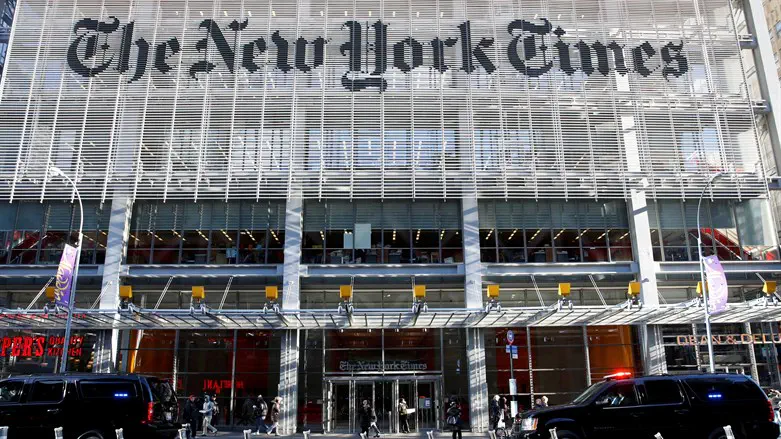
A recent academic investigation led by Professor Adiel Pinker from the Yale School of Management has revealed a significant bias in The New York Times concerning its coverage of the Gaza conflict. The research highlights what it terms a “deep and systematic” disparity in the newspaper’s reporting, particularly regarding the events surrounding the Israeli-Palestinian conflict.
Study Overview and Methodology
The study, which was published in a peer-reviewed journal focused on conflict and terrorism, meticulously analyzed 1,559 articles and news reports from *The New York Times* spanning from October 7, 2023—the date of Hamas’s devastating attack—until June 7, 2024. Pinker’s analysis aimed to objectively evaluate the newspaper’s portrayal of the war, assessing how narratives were constructed and which perspectives were emphasized or downplayed.
Findings on Coverage Imbalance
Pinker’s findings indicated that the newspaper devoted considerable attention to the hardships faced by the people of Gaza while largely neglecting the casualties suffered by Israelis and the instances of Palestinian violence that ensued after the war began. According to Pinker, “Based on a dataset of 1,559 news articles, I document a narrative that illustrates framing that places almost exclusive responsibility on Israel, while minimizing Hamas’ role in perpetuating the conflict.” This analysis points to a significant imbalance in the newspaper’s coverage, which may influence public perception of the conflict.
Portrayal of Responsibility in the Conflict
The research highlighted that the narrative constructed by *The New York Times* positioned Israel as the “sole aggressor” in the ongoing conflict while depicting Palestinians primarily as “passive victims.” Pinker noted that after recounting the events of October 7, the coverage primarily focused on Israeli military responses and the subsequent rise in Palestinian casualties, while failing to adequately report on Israeli fatalities or any violence committed by Palestinians after the initial attack. This framing has raised concerns about the implications for public understanding of the complex dynamics of the situation.
Responses to the Study
In response to the study’s findings, *The New York Times* firmly rejected the claims of bias. The newspaper stated, “We have covered this war with greater accuracy and rigor than almost any other US news organization, reporting on the conflict from all angles.” This rebuttal emphasizes the challenges of media accountability and the subjectivity inherent in reporting on highly contentious and sensitive topics like the Israeli-Palestinian conflict.
In summary, Pinker’s study calls into question the fairness and comprehensiveness of reporting by major news outlets, specifically The New York Times, in relation to the Gaza conflict. While accusations of media bias are not new, this rigorous analysis underscores the vital importance of balanced reporting in shaping public perception and understanding of complex international conflicts. Understanding the nuances in how information is presented is essential for readers to cultivate informed opinions on global issues.