
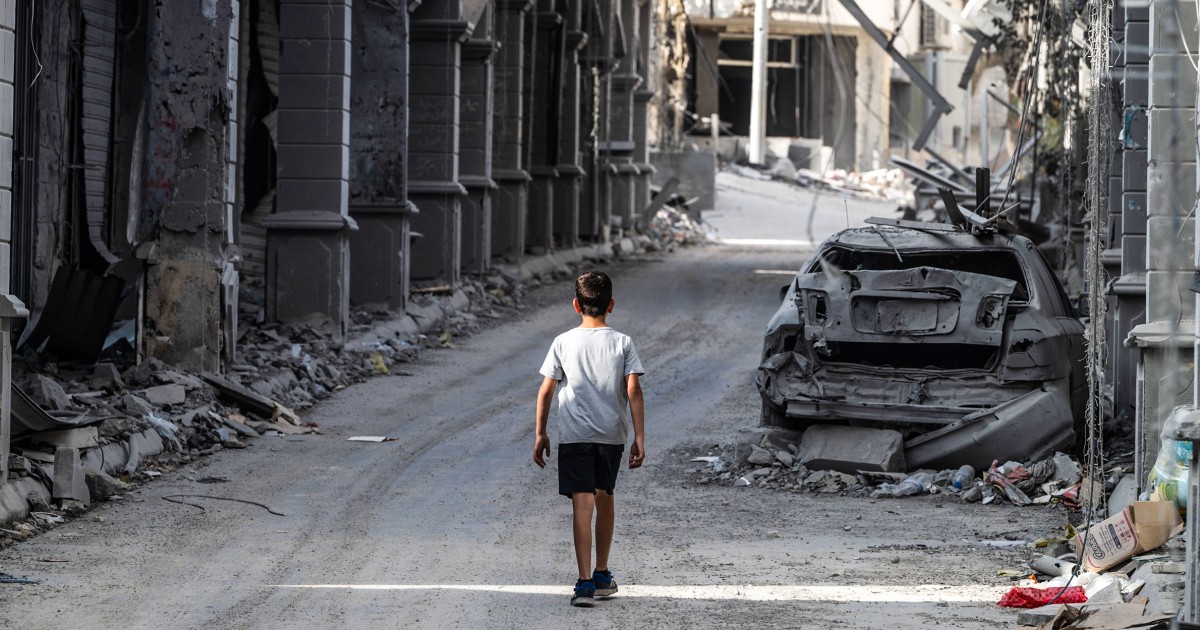
On Friday, Secretary of State Marco Rubio, alongside ambassadors from Israel and Lebanon, revealed a framework agreement aimed at paving the way for peace after enduring months of conflict involving Israel and the militant group Hezbollah. This announcement is viewed as a crucial initial step toward stabilizing relations and restoring peace in the region.
Framework Agreement Highlights
The specifics of the agreement were not disclosed; however, Yechiel Leiter, the Israeli ambassador to the United States, and Nada Hamadeh, Lebanon’s ambassador to the U.S., played significant roles in its signing. Hamadeh emphasized that this framework represents a vital step toward reclaiming Lebanese sovereignty and territorial integrity. She envisions a future where hostilities cease completely, enabling Lebanese citizens to return to their homeland and live in a secure, prosperous environment.
Leiter expressed a similar sentiment, stating that the ultimate aim is genuine peace between the two nations. He articulated a vision where both Lebanon and Israel coexist in safety, with mutual respect for each other’s sovereignty. He highlighted the significance of a trilateral framework wherein external influences, particularly Iran and Hezbollah, are excluded from the peace process.
Background of the Conflict
The recent hostilities escalated when Hezbollah launched rockets into Israel shortly after Israel and the U.S. initiated military actions against Iran on February 28. In response, Israel expanded its military presence in Lebanon and intensified its operations there. Since the onset of these strikes in March, there have been substantial casualties, with over 4,000 individuals in Lebanon reported dead.
In spite of temporary ceasefires, tensions have remained heightened. A recent flare-up occurred when Israel targeted Hezbollah militants in southern Lebanon, showcasing the fragility of the situation. Throughout these discussions, it is clear that Hezbollah has not been included in the negotiations, which further complicates the peace framework’s implementation on the ground.
Future Negotiations and Priorities
Lebanese officials continue to assert that the expulsion of Israeli troops from southern Lebanon is a primary goal in ongoing negotiations. Conversely, Israeli representatives prioritize disarming Hezbollah, a group considered to be backed by Iran. These conflicting priorities could hinder the progress of the framework if not adequately addressed.
Lebanon’s President Joseph Aoun recently noted that discussions were taking place regarding “pilot zones” where the Lebanese army would assume control as Israeli forces withdraw. However, he acknowledged that these talks are separate from broader Iran-U.S. negotiations, indicating a complex landscape of diplomatic efforts.
An anonymous Israeli official indicated that direct talks with Lebanon aim to establish a timeline for Israeli troop redeployments contingent upon the disarmament of Hezbollah and the dismantling of its infrastructure in southern Lebanon. However, Hezbollah remains resistant to any plan enforcing disarmament throughout the country, arguing that it is only obligated to comply with previous agreements that pertain specifically to areas south of the Litani River.
In summary, while the framework agreement marks a potential turning point for peace between Israel and Lebanon, significant challenges remain. Addressing the divergent priorities of both nations and the involvement of Hezbollah will be critical in determining the future of stability in the region. The road to lasting peace is fraught with complexities that necessitate careful negotiation and unwavering commitment from all parties involved.