
The situation concerning Israel and the ongoing tensions in the West Bank poses significant challenges that seem to go unaddressed by key political figures in the UK. As the world watches, the need for decisive action rather than mere rhetoric becomes increasingly clear.
Sanctions and Their Impacts
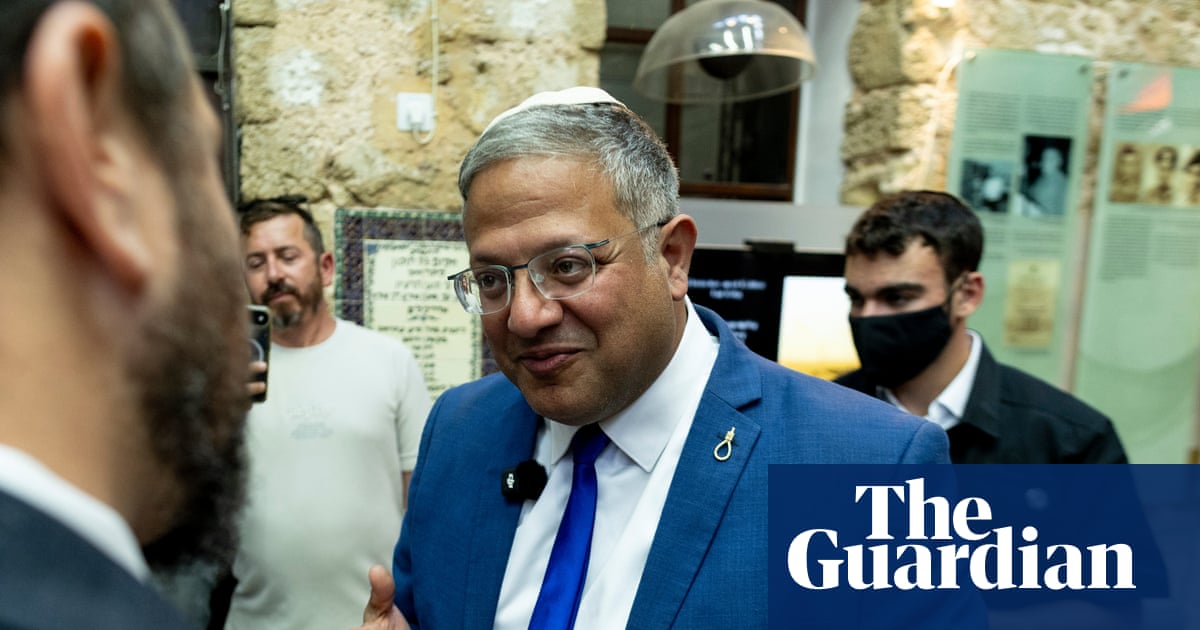
For over a year, certain Israeli officials have faced sanctions imposed by the UK and its allies, but to date, these measures appear ineffective. Individuals like Itamar Ben-Gvir, Israel’s Minister of National Security, seem to regard these sanctions not as punitive measures but rather as a badge of honor. This raises the urgent question of what constitutes effective action in the face of escalating violence and human rights violations. The current strategy appears to lack the necessary weight to instigate any meaningful change, raising concerns about the resolve of Western powers to hold Israel accountable for its actions.
The Ineffectiveness of Rhetoric
Andy Burnham and Ed Miliband’s recent denunciations of Israeli policies, including the construction of new settlements in areas such as E1 near Jerusalem, may resonate on some level but ultimately come off as little more than performative politics. They describe these settlements as “unacceptable” and “destructive,” yet without the backing of substantial measures like targeted sanctions against the Israeli state, such outcries ring hollow. Miliband’s assertion that all Israeli settlements constitute a “flagrant breach of international law” further emphasizes this futility. Had the UK and other nations taken decisive action in the early years of settlement construction, the trajectory of this conflict could have been significantly different, potentially saving numerous lives.
Escalating Humanitarian Crisis
The crisis in Gaza is escalating, with a United Nations inquiry citing ongoing genocide and war crimes, paired with ethnically motivated violence in the West Bank. Furthermore, reports of media professionals being murdered and accusations of “ecocide” committed in regions like southern Lebanon deepen the tragedy. Amid this turmoil, it’s not enough for Western leaders to publicly criticize human rights abuses. When they choose to act without substantial consequences, their condemnation loses all credibility. The need for practical measures to address these issues is critical if we are to see a resolution that respects human rights and upholds international law.
In summary, the situation requires more than verbal denunciations; it calls for courageous and meaningful interventions from international leaders. The longer they wait to impose effective sanctions and take strong stances against these violations, the more lives are at risk, and the greater the humanitarian suffering becomes. It is imperative that we see a shift from hollow responses to actions that can bring about real change in this ongoing crisis.