
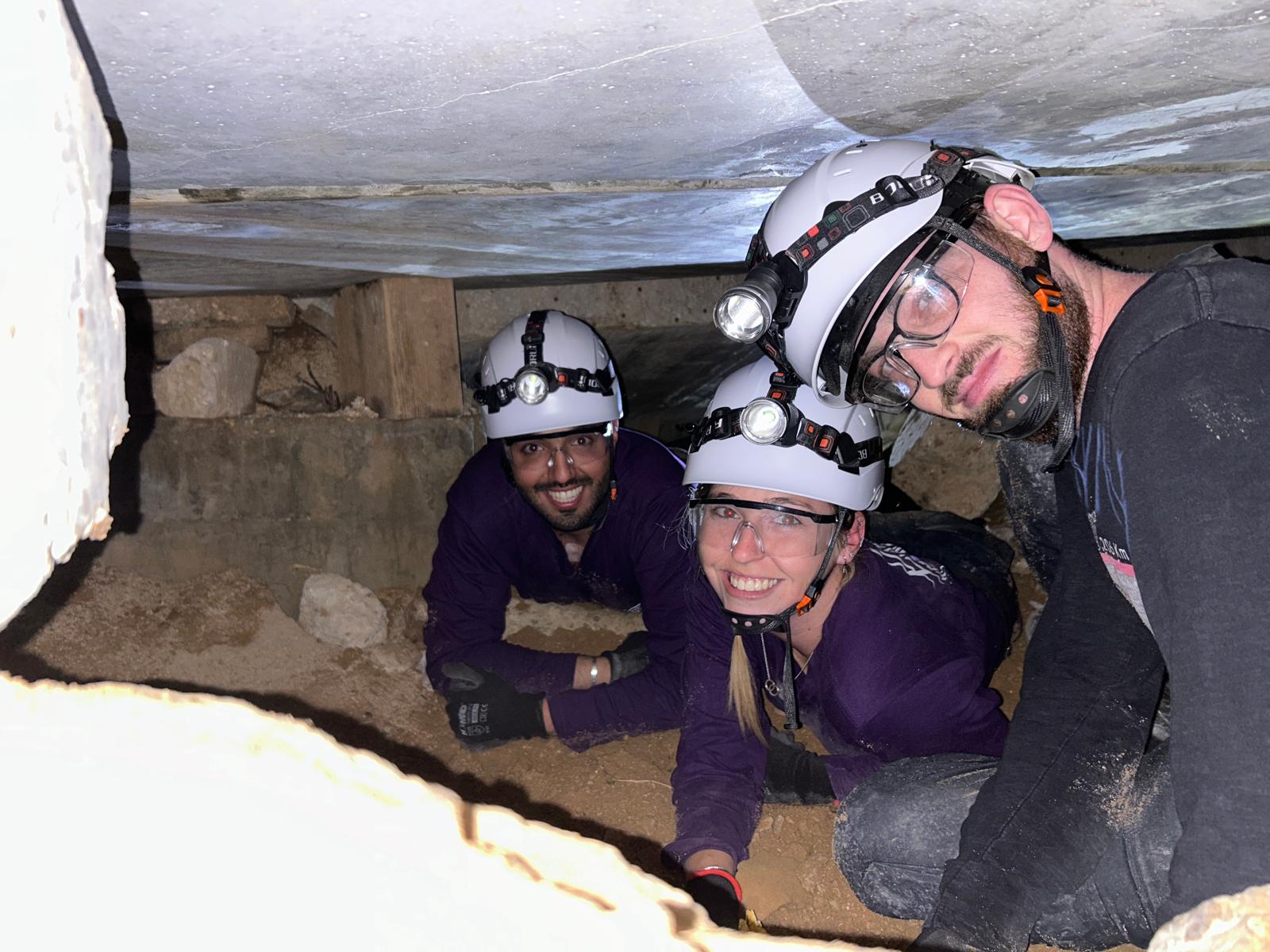
With a series of alarming reports from state comptrollers and Knesset committees highlighting Israel’s lack of earthquake preparedness, Elad Blumental, a 38-year-old father from Rishon Lezion, has decided to take initiative in addressing this pressing issue. As earthquakes are a looming threat for the region, he reflects on the urgent need for action.
Understanding the Risk of Earthquakes in Israel
Israel’s geographical location along the seismically active Syrian-African Rift makes it susceptible to significant earthquakes. Experts estimate that a major tremor occurs approximately every 80 to 100 years, the last major event occurring in 1927, resulting in the deaths of around 500 individuals. Given the massive population growth—over elevenfold in the past century—the risk of casualties from a future earthquake has grown exponentially. Blumental emphasizes the importance of being prepared, especially in light of recent conflicts that have resulted in loss of Israeli lives. He estimates that potential devastation from a major earthquake could lead to 7,000 fatalities, 28,600 severely damaged buildings, and 9,500 individuals trapped beneath debris.
Grassroots Training Efforts for Earthquake Preparedness
In response to the lack of sufficient governmental initiatives, Blumental founded OneDay, an organization aimed at orchestrating volunteer opportunities that now includes training for earthquake rescue teams. Through partnerships with local authorities and philanthropic support, he has initiated training programs for approximately 350 volunteers across Israel. These groups meet bi-monthly to hone their skills in search and rescue operations, physical health, and mental resilience during disasters.
The volunteers undergo rigorous training to prepare for future incidents, ensuring they are equipped with essential gear such as helmets, boots, and emergency equipment. Each team is supported with necessary tools, helping them effectively respond to potential earthquakes by breaking through rubble and assisting those in need. Blumental highlights the significance of these grassroots initiatives, as the existing public emergency services face considerable challenges, particularly in mobilization during catastrophic events.
The Challenge of Emergency Readiness and Funding Hurdles
Despite Blumental’s efforts, the overall state of earthquake preparedness in Israel remains concerning. Reports reveal that many local fire and emergency teams are understaffed and inadequately trained. This lack of preparedness can critically hinder their response capabilities during an actual earthquake. The Home Front Command and Israel Fire Services have asserted that they are ready to respond; however, they face limitations in manpower and resources, with only a fraction of the required personnel available according to European standards.
In recent discussions, Knesset representatives expressed frustration over the insufficient funding allocated toward emergency preparedness and earthquake reinforcement. Although new buildings must meet certain earthquake resistance standards, a significant number of older structures remain at risk, leading to calls for stronger policies and funding mechanisms. Geologists and researchers have emphasized that preparing for an earthquake is not merely hypothetical; it is a necessity for the safety and resilience of the nation.
The Path Forward for Earthquake Preparedness
The need for comprehensive earthquake preparedness is more acute than ever, as underscored by Defense Minister Israel Katz’s declaration of the next two years as “critical earthquake preparedness years.” However, with many proposals stymied by budget constraints, the call for investment in this sector grows louder. Experts cite a dramatic imbalance in Israel’s safety budgeting, with billions allocated for military preparedness against external threats while neglecting natural disaster responses.
As Blumental candidly points out, the lessons of past conflicts and disasters should serve as a catalyst for governmental action. The importance of investing in earthquake preparedness cannot be overstated; every shekel spent on preventive measures could save countless lives and reduce the financial burden of disaster recovery. With the memory of past errors in mind, the advocacy for improved earthquake readiness remains crucial as Israel moves forward.