
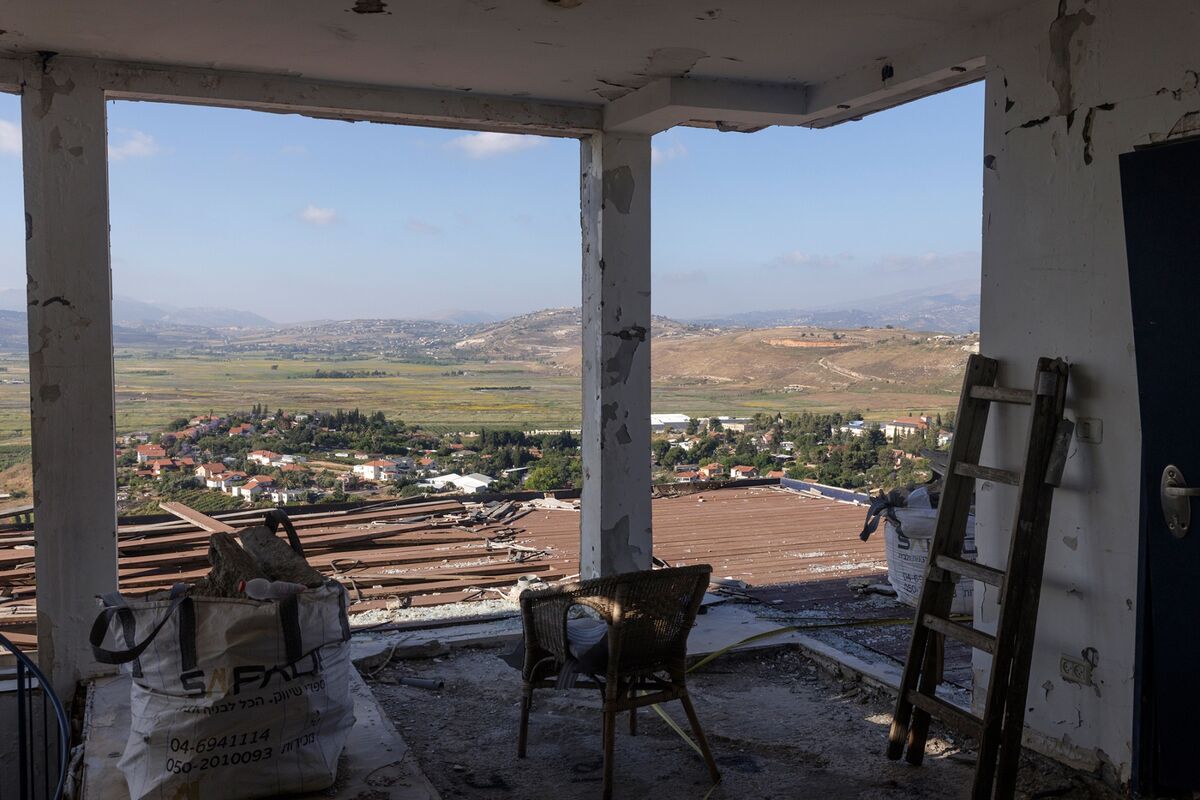
In the northern region of Israel, tensions are heightened due to a long-standing conflict with Lebanon, all while the ramifications of the Trump administration’s Iran deal continue to foment dissatisfaction towards both Washington and Prime Minister Netanyahu. This landscape not only shapes the political dynamics in Israel but also influences regional stability and international relations.
The Ongoing Conflict with Lebanon
The border between Israel and Lebanon has been a point of contention for decades. Frequent skirmishes, military posturing, and the presence of armed groups such as Hezbollah contribute to a fragile state of affairs. The unresolved status of this front exacerbates local fears and uncertainties. Many Israeli citizens feel vulnerable, with the looming threat of conflict becoming a constant specter. The complex history between the two nations aligns with differing political narratives that further complicate peace efforts.
Impact of the Trump Administration’s Iran Deal
The Iran nuclear agreement, established during Donald Trump’s presidency, has far-reaching implications for the Middle East, notably Israel’s national security. The perceived leniency towards Iran has ignited resentment within Israel. Critics argue that the deal empowers Iran, allowing it to increase its support for proxy groups like Hezbollah, which pose existential threats to Israel. This perspective has fostered an atmosphere of distrust between the Israeli government and its American counterpart, raising questions about the reliability of U.S. foreign policy in the region.
Domestic Backlash Against Netanyahu and Washington
In light of these geopolitical tensions, public sentiment in Israel is becoming increasingly critical of both Netanyahu and U.S. policies. As anger simmers over the perceived inefficacy in confronting Iran and its affiliates, citizens are demanding a reassessment of their government’s strategy. Netanyahu, who has long framed himself as a bulwark against Iranian aggressiveness, is facing growing scrutiny. Many Israel’s citizens are calling for stronger action and results that resonate with their concerns over national security.
Prospects for Resolution and Regional Stability
As these tensions unfold, the call for cohesive strategies that address the roots of conflict becomes increasingly urgent. The international community, alongside Israel and Lebanon, must consider new avenues for dialogue to transcend historical grievances and focus on collaborative security efforts. Sustainable peace will require addressing the core issues that fuel hostility and fostering connections that move both nations toward coexistence rather than conflict. The future remains uncertain, but the urgent need for a balanced and impactful approach to diplomacy is clear.
In conclusion, the interplay between Israel’s northern conflict and the ramifications of U.S. policies showcases the delicate balance of international relations in a volatile region. As tensions rise and opinions diverge, the call for effective leadership that prioritizes national security and diplomatic engagement is louder than ever.