
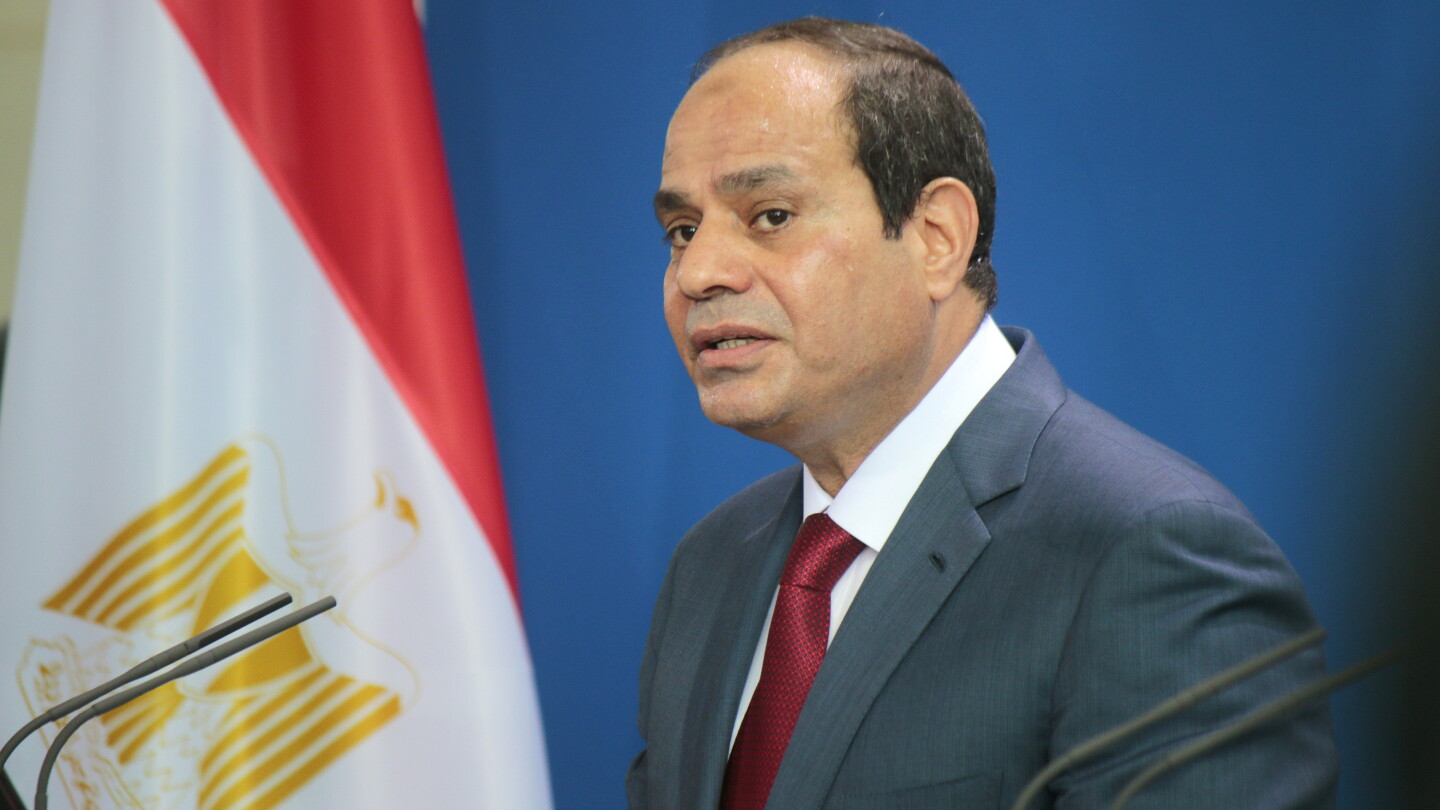
For over forty years, the peace agreement established between Egypt and Israel has been viewed as a cornerstone of stability in the Middle East. In global discussions, especially among political leaders in Washington and Jerusalem, Egypt is often portrayed as a reliable stabilizing force. President Abdel Fattah el-Sisi’s government touts itself as an essential barrier against radicalism and a manager of regional tensions. However, this perception obscures a far more complex and unstable reality.
Economic Fragility in Egypt
Today, Egypt’s position as a regional power is far more precarious than it appears. Years marked by militaristic economic control, unsustainable debt levels, and widespread repression have left the nation vulnerable. The el-Sisi administration may project strength, but beneath this facade lies a keystone at risk of collapse. As the Middle East shifts strategically, relying on an autocratic regime for security poses significant long-term dangers.
The economic foundations of Egypt’s fragility are particularly concerning. Under el-Sisi, the military has extended its influence over various sectors, controlling around 80 companies involved in manufacturing, agriculture, and services, among others. This situation creates an uneven economic landscape that stifles private initiative and discourages foreign investment. Instead of implementing necessary market reforms, the government has opted for grand megaprojects that incur massive costs. For instance, the development of the New Administrative Capital, projected to cost approximately $58 billion, has contributed to a burdensome national debt that significantly limits fiscal capacity.
Dependence on Foreign Investment
To navigate these economic challenges, Egypt has turned to external financial support and international loans. Reports from the International Monetary Fund have noted some stabilization in terms of macroeconomic factors, but this success is largely superficial and dependent on foreign intervention. The UAE’s recent financial package, aimed at boosting major developments, signifies a shift in how Gulf nations are engaging with Egypt. Instead of purely providing financial aid, these countries have begun investing more strategically, which treats symptoms rather than tackling the underlying issues plaguing the Egyptian economy.
A stark example of Egypt’s reliance on external resources is found in the energy sector. Due to a decline in domestic production, the country has increasingly depended on imports, notably of Israeli natural gas, to meet its energy needs. Disruptions in this supply chain have immediate consequences, affecting industries and creating significant vulnerabilities for the nation.
Implications for Regional Stability
The intertwining of Egypt’s economic and security challenges poses a dilemma for Israel, which must carefully navigate its relationship with Cairo. Tactical coordination is crucial for managing border security and combating terrorism. El-Sisi’s government plays an indispensable role in stabilizing the region, yet its reliance on questionable financial practices raises concerns over Egypt’s long-term viability. Such dependencies could ultimately weaken the institutions responsible for maintaining stability, presenting a greater risk to Israel than political instability.
This complex relationship also affects U.S. foreign policy. Historically, Washington has offered substantial military aid to Cairo, believing this assistance shores up regional stability. However, recent diplomatic pressures have prompted a reevaluation of this approach, as it becomes increasingly clear that simply funding el-Sisi’s regime does not equate to ensuring peace.
In summary, as regional dynamics continue to evolve, Egypt serves as a reminder that diplomatic agreements require stable governance to be effective. An Egypt weighed down by debt and economic decay cannot fulfill its role as a stabilizing force in the Middle East. The security implications of Egypt’s vulnerability should no longer be underestimated, as they present significant challenges for the region, especially for Israel’s long-term planning and strategies. A comprehensive understanding of these realities is essential for all stakeholders involved.