
The recent ceasefire in Gaza has been labeled a “cruel and deadly illusion” by James Elder, a spokesperson for UNICEF. Since its declaration in October, Israeli forces have reportedly killed over 1,000 Palestinians, including 265 children, averaging one child’s death each day. This grim reality highlights the ongoing humanitarian disaster and raises urgent questions about the effectiveness and sincerity of the supposed ceasefire.
The Escalating Crisis in the West Bank
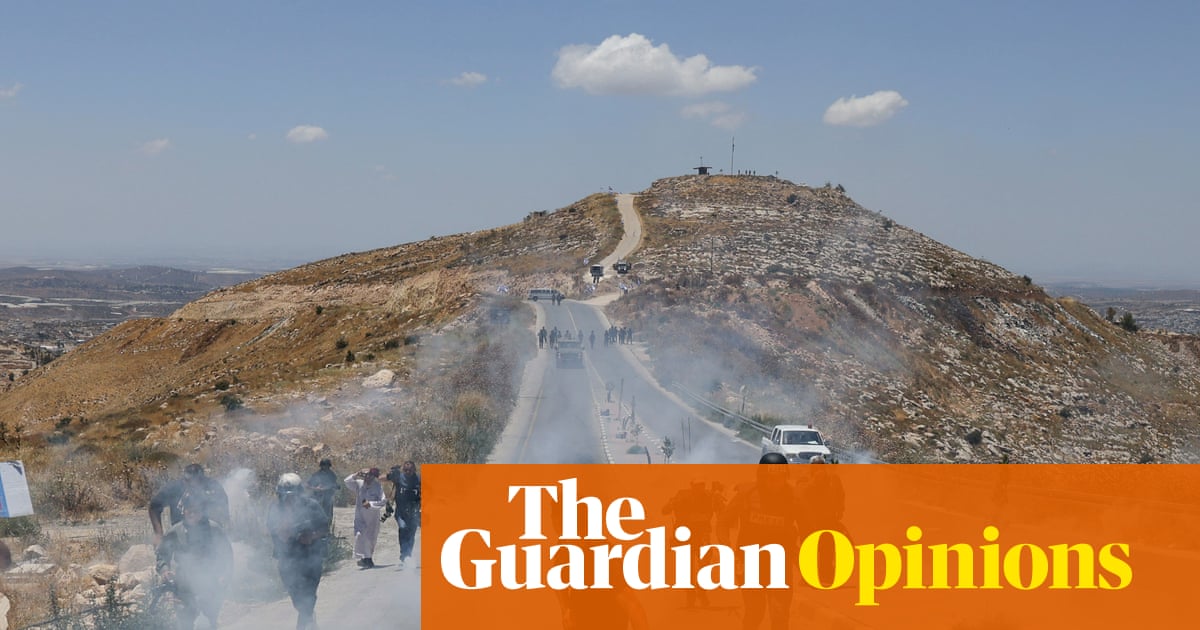
The humanitarian situation in Gaza is not an isolated concern; it is part of a broader crisis that extends into the occupied West Bank, where violence has surged. A group of former Israeli prime ministers and military leaders recently signed a letter criticizing the government for failing to address “Jewish terror” in the region. Former Prime Minister Ehud Olmert accused the Israeli state of perpetuating ethnic cleansing, citing a systematic campaign backed by security forces to allow settler violence to go unchecked. Reports indicate that the Israeli army’s actions in the West Bank have intensified to levels unseen since 1967.
The Economic Collapse of the Palestinian Territories
Adding to these alarming developments is a report from the International Crisis Group, which underscores the detrimental impact of Israeli policies on the Palestinian economy. The report warns that the current trajectory is dismantling the very conditions needed for a viable Palestinian state. According to Israeli finance minister Bezalel Smotrich, efforts are being made to stifle Palestinian statehood, with promises of “economic strangulation.” Since the Hamas attacks on October 7, the Palestinian economy has experienced dire setbacks, with GDP plummeting from $17.8 billion to $13.7 billion, leading to job losses for nearly 300,000 Palestinians.
Consequences of Restrictive Measures
The repercussions of increased Israeli control since 1967 have severely limited the West Bank’s economic growth and opportunity. Home demolitions and the uprooting of olive trees are stark reminders of the immediate damage. However, the deeper economic implications stem from draconian restrictions that hinder movement, suppress agricultural productivity, and exacerbate unemployment. While security forces believe that easing work permit restrictions could enhance security for Israel, stringent regulations continue to impede Palestinian livelihoods and economic stability. Furthermore, delays in the transfer of customs revenues to the Palestinian Authority have left it unable to pay employees fully, resulting in a fragile financial state.
The International Community’s Response
A recent investigation has revealed that Israeli exporters often hide the origin of produce from occupied Palestinian territories to benefit from illegal tax advantages. Furthermore, charities in England and Wales have been implicated in donating significant sums to illegal settlements, prompting scrutiny and investigations. Despite these alarming revelations, efforts by Israel’s allies to impose effective sanctions on individuals supporting violence remain lackluster. The UK has shied away from implementing a trade ban on illegal settlements, even as calls for increased action grow louder among lawmakers. Protecting Palestinian livelihoods, alongside lives, should be a priority for the international community, yet decisive measures remain absent.
In conclusion, the current state of affairs in Gaza and the West Bank illustrates a deeply entrenched crisis exacerbated by political, economic, and humanitarian challenges. The narratives of a ceasefire and potential peace stand in stark contrast to the prevailing violence and suffering. Without urgent international intervention and a reevaluation of policies, the future for Palestinians remains bleak.